The 20-Minute Nap That Supercharges Your Brain

NASA once studied its pilots and found that a short nap improved performance dramatically. The sweet spot? About 20 minutes — long enough to recharge, short enough to wake up sharp.
Why 20 Minutes Is Magic
Sleep happens in cycles. In the first 20 minutes, you stay in light sleep (stages 1–2) — easy to wake from, and it clears the "sleep pressure" chemical (adenosine) that builds up while you're awake.
Nap longer than 30 minutes and you sink into deep sleep. Waking from deep sleep causes sleep inertia — that groggy, worse-than-before feeling.
What a Power Nap Does for Your Brain
- Alertness — studies show improvements lasting 2–3 hours
- Memory — naps help consolidate what you learned that morning
- Creativity — the relaxed brain connects ideas more freely
- Mood — even a 10-minute nap measurably lifts mood
- Reaction time — faster and more accurate after napping
How to Take the Perfect Nap
1. Time it right
Nap between 1 PM and 3 PM — this matches your natural afternoon dip in alertness. Napping after 4 PM can hurt nighttime sleep.
2. Set an alarm for 25 minutes
Give yourself ~5 minutes to fall asleep + 20 minutes of actual napping.
3. Try the "coffee nap"
Drink a coffee right before lying down. Caffeine takes ~20 minutes to kick in — so you wake up just as it hits. Research shows coffee naps beat regular naps for alertness.
4. Create the right environment
Cool, dark, quiet. An eye mask and earplugs turn any couch into a nap pod.
5. Don't stress if you don't sleep
Even quiet rest with closed eyes for 20 minutes lowers stress hormones and refreshes the brain.
Who Should Nap?
- Students — nap after studying to lock in memory
- Shift workers — a nap before a night shift is a safety tool
- Athletes — naps improve reaction time and reduce injury risk
- Everyone else — if you're dragging at 2 PM, a nap beats a third coffee
The Bottom Line
Twenty minutes, early afternoon, alarm set. It's the highest-ROI habit in productivity — and it feels great too.
📚 Keep reading:

7 Foods That Feed Your Good Gut Bacteria
Your gut hosts trillions of microbes that affect immunity, mood, and weight. These 7 everyday foods keep the good ones thriving.

10 Simple Morning Habits That Boost Your Energy All Day
Tired by noon? These 10 science-backed morning habits take minutes but keep your energy high from sunrise to bedtime.
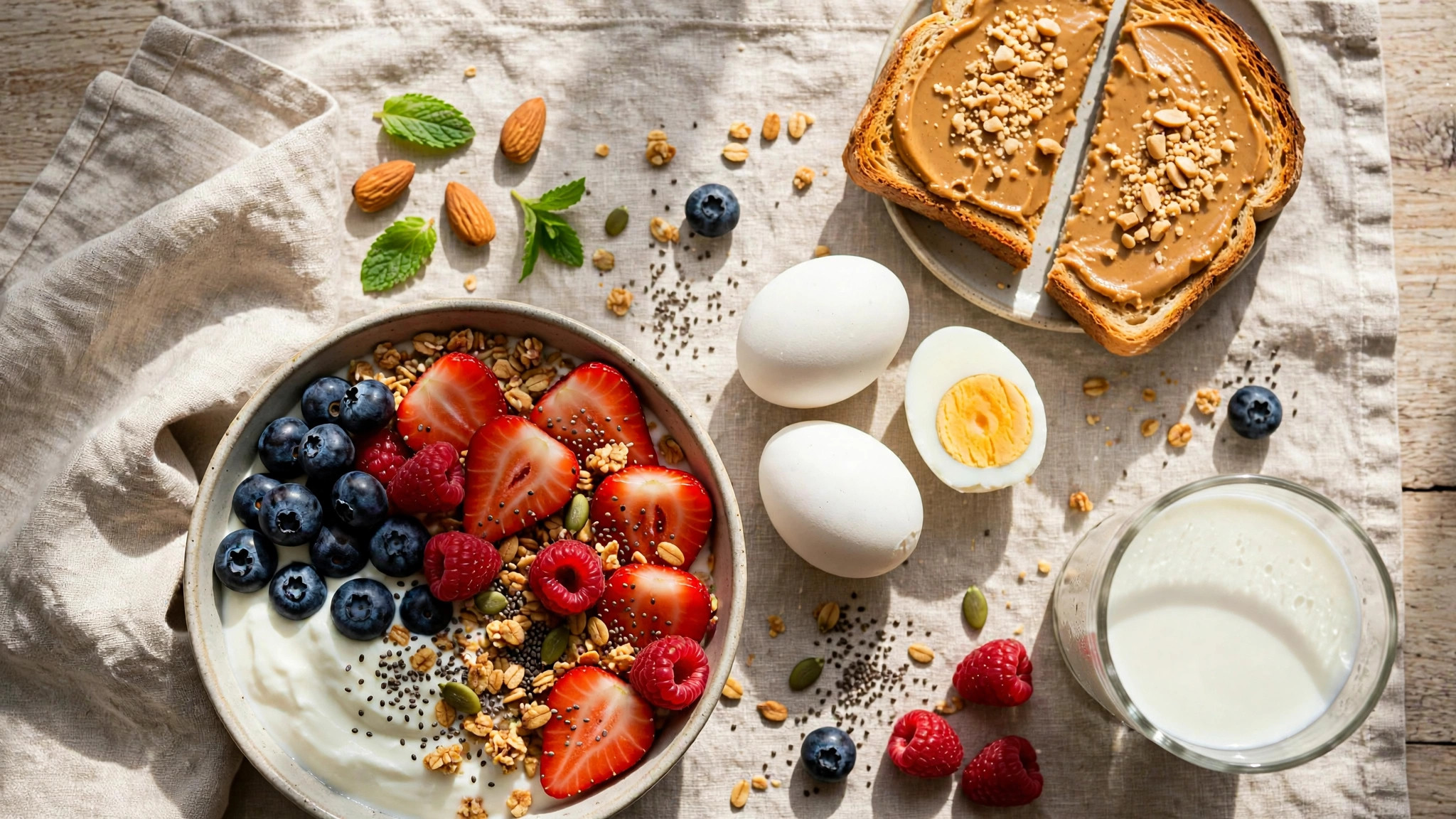
What 35 Grams of Protein at Breakfast Does to Your Cravings
Eating 35g of protein at breakfast can slash your junk-food cravings all day. Here's the science — and what to eat.