Eat 30 Plants a Week: The Gut-Health Rule Backed by Science
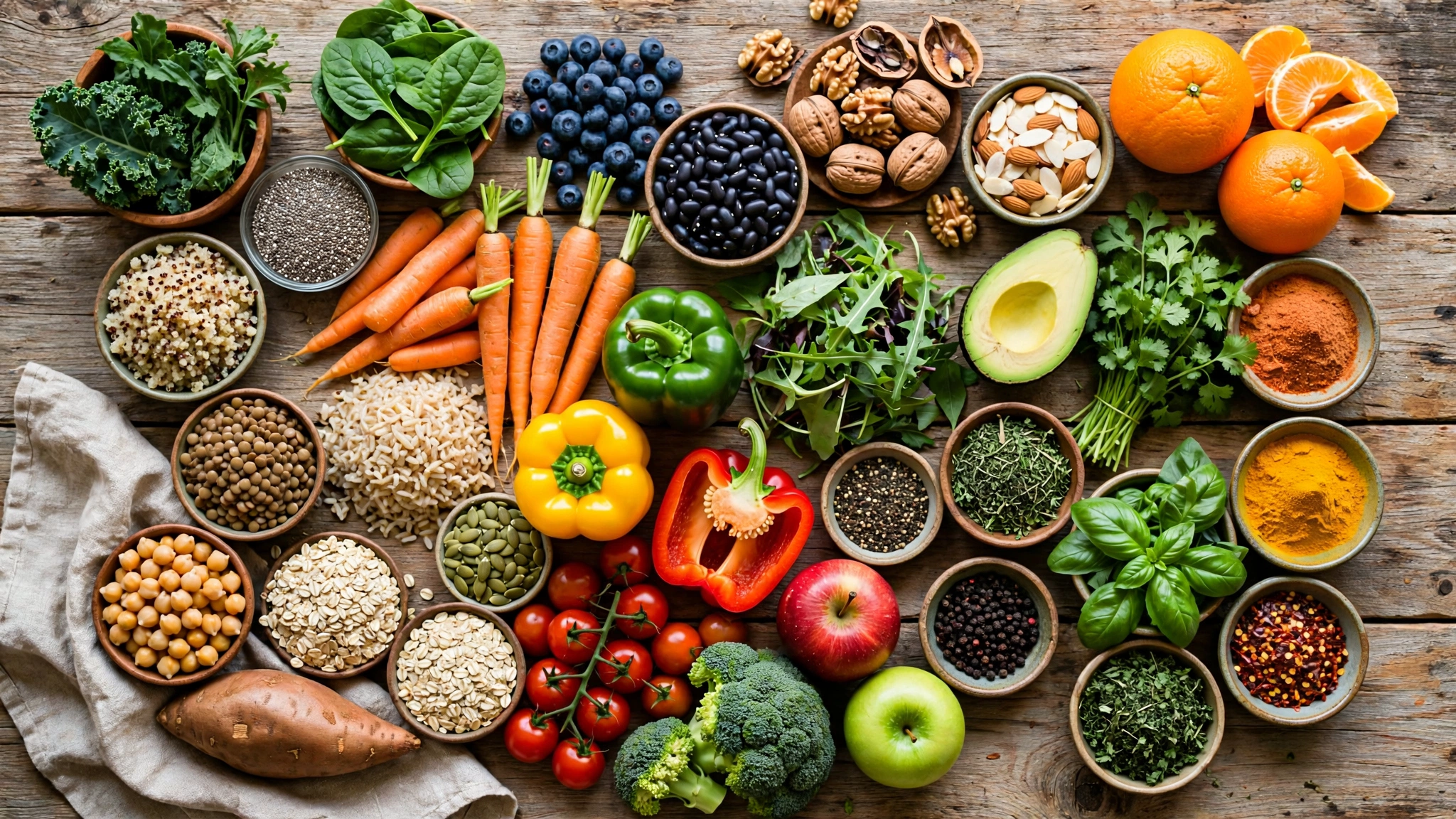
Forget the supplement aisle. The simplest, most science-backed gut-health upgrade you can make isn't a powder, a pill, or a pricey cleanse — it's a number: 30.
Thirty different plant foods a week. That's it. Not thirty servings, thirty types: fruits, vegetables, legumes, whole grains, nuts, seeds — and yes, herbs and spices count too.
The idea comes from one of the largest citizen-science projects ever run on the human gut. The American Gut Project, led by researchers at UC San Diego and UC Boulder, analyzed samples from more than 10,000 people across the United States. When they compared diet patterns, one finding stood out: people who ate 30 or more different plant foods per week had a noticeably more diverse gut microbiome than those who ate fewer than 10.
That difference showed up whether or not the person identified as vegetarian or vegan. Diversity of plants mattered more than the label on the diet.
Why Diversity Beats Quantity
Your gut is home to roughly 38 trillion microbes, and scientists increasingly view their diversity as a marker of a resilient, healthy digestive system. Each plant food feeds different bacterial species — lentils nourish one crowd, blueberries feed another, garlic feeds a third. Eat the same five foods on repeat and you keep the same five microbial communities alive. Rotate widely and you keep the whole neighborhood thriving.
Low microbial diversity, meanwhile, has been linked in research to everything from digestive trouble and inflammation to weaker immune responses. The goal isn't perfection; it's variety.
And Americans have room to improve. According to the CDC, only about 1 in 10 U.S. adults eats the recommended amount of vegetables, and most of us hover around 15 grams of fiber a day — roughly half the 25–30 grams experts recommend. The 30-plant rule fixes both problems at once, without requiring you to count a single gram.
What Counts as a Plant?
More than you think — which is exactly why this rule is so doable. Each distinct type counts as one:
- Vegetables: spinach, kale, carrots, broccoli, bell peppers, tomatoes, onions, mushrooms, sweet potatoes
- Fruits: blueberries, apples, bananas, oranges, strawberries, avocado
- Legumes: black beans, chickpeas, lentils, kidney beans, edamame, peanuts
- Whole grains: oats, brown rice, quinoa, whole-wheat bread, popcorn
- Nuts and seeds: almonds, walnuts, pumpkin seeds, chia seeds, flaxseed, sunflower seeds
- Herbs and spices: basil, oregano, cinnamon, turmeric, garlic, ginger, black pepper, parsley
Notice something? That ordinary bowl of oatmeal topped with blueberries, banana, walnuts, and cinnamon already puts you at five. A big taco salad with beans, corn, tomatoes, onion, avocado, lettuce, and lime gets you seven in a single meal.
The tiny stuff counts. The garlic you mince into dinner, the oregano on your pizza, the handful of mixed nuts you grab at 3 p.m. — these "sprinkle foods" are the secret weapon of the 30-plant week.
How to Actually Hit 30 (Without a Meal Plan)
You don't need to overhaul your life. You need a few swaps that multiply variety:
1. Upgrade your staples
Switch one grain a few times a week — brown rice on Monday, quinoa on Wednesday, farro on Friday. Buy the mixed greens instead of plain romaine. Grab the mixed-nut bag instead of plain almonds. Same effort, triple the plant count.
2. Add "sprinkle foods" to everything
Keep a shaker of seeds (pumpkin, sunflower, chia) near the stove. Toss a spoonful onto salads, yogurt, oatmeal, and soups. Add frozen berries to breakfast. Scatter herbs on finished dishes. Each sprinkle is a new plant on the board.
3. Eat the rainbow, literally
Different colors mean different phytonutrients — the blue-purple anthocyanins in blueberries, the orange beta-carotene in sweet potatoes, the red lycopene in tomatoes. If your plate has three colors, you're probably stacking plants.
4. Shop the frozen aisle without shame
Frozen berries, peas, spinach, and mixed vegetables are picked ripe and flash-frozen, keeping their nutrients intact — often at a fraction of the cost of fresh. No spoilage guilt, no waste, and you can keep ten plant types in your freezer at all times.
5. Make one meal a "variety anchor"
Build one high-count meal you repeat weekly: a big grain bowl, a hearty soup, or a mixed-bean chili that naturally packs 8–10 plants. That one meal can carry nearly a third of your weekly target.
A Sample Day That Hits 15
Here's how easy this gets when you're not even trying:
- Breakfast: Oatmeal with blueberries, banana, walnuts, chia seeds, and cinnamon — 6 plants
- Lunch: Turkey sandwich on whole-wheat with lettuce, tomato, onion, and avocado — 5 plants
- Dinner: Pasta with marinara, spinach, mushrooms, garlic, basil, and oregano — 6 plants
- Snack: Apple slices with peanut butter — 2 plants
That's 19 different plants in a single ordinary day — no fancy recipes, no specialty store. Hit days like that four or five times a week, and 30 stops feeling like a goal and starts feeling like Tuesday.
The Fine Print
A few honest caveats. If your current diet is low in fiber, ramp up gradually — adding lots of fiber overnight can cause bloating and gas. Drink water as you go; fiber works best with hydration. And if you have a digestive condition like IBS, some high-fiber foods may need to be introduced carefully — check with your doctor or a registered dietitian first.
Also, this isn't a license to ignore balance. Plants are the foundation, not the whole house: keep your protein, healthy fats, and the rest of the picture intact.
The Bottom Line
The 30-plant rule works because it rewards curiosity instead of restriction. It turns grocery shopping into a low-stakes game: what's one new plant I can try this week? No banned foods, no points, no willpower marathons.
So this week, count. Keep a running list on your phone or the fridge. Aim for 30 distinct plants — and if you fall short, the garlic on your pasta and the oregano on your pizza still nudge you closer than you think.
📚 Keep reading:

Box Breathing: The 90-Second Navy SEAL Stress Reset
Stress got you wired? Navy SEALs use box breathing to stay calm under fire. Here's how this 90-second technique lowers your heart rate fast.

Beat the Fall Blues: 7 Ways to Fight Seasonal Depression
Feeling low as days get shorter? Seasonal depression affects ~10 million Americans each fall. Here are 7 science-backed ways to lift your mood.

Cortisol and Chronic Stress: What Science Really Says
Three in four Americans feel physical symptoms of stress. Here's what cortisol actually does to your body — and 7 science-backed ways to bring it down.