Why Americans Sleep an Hour Less Than They Need
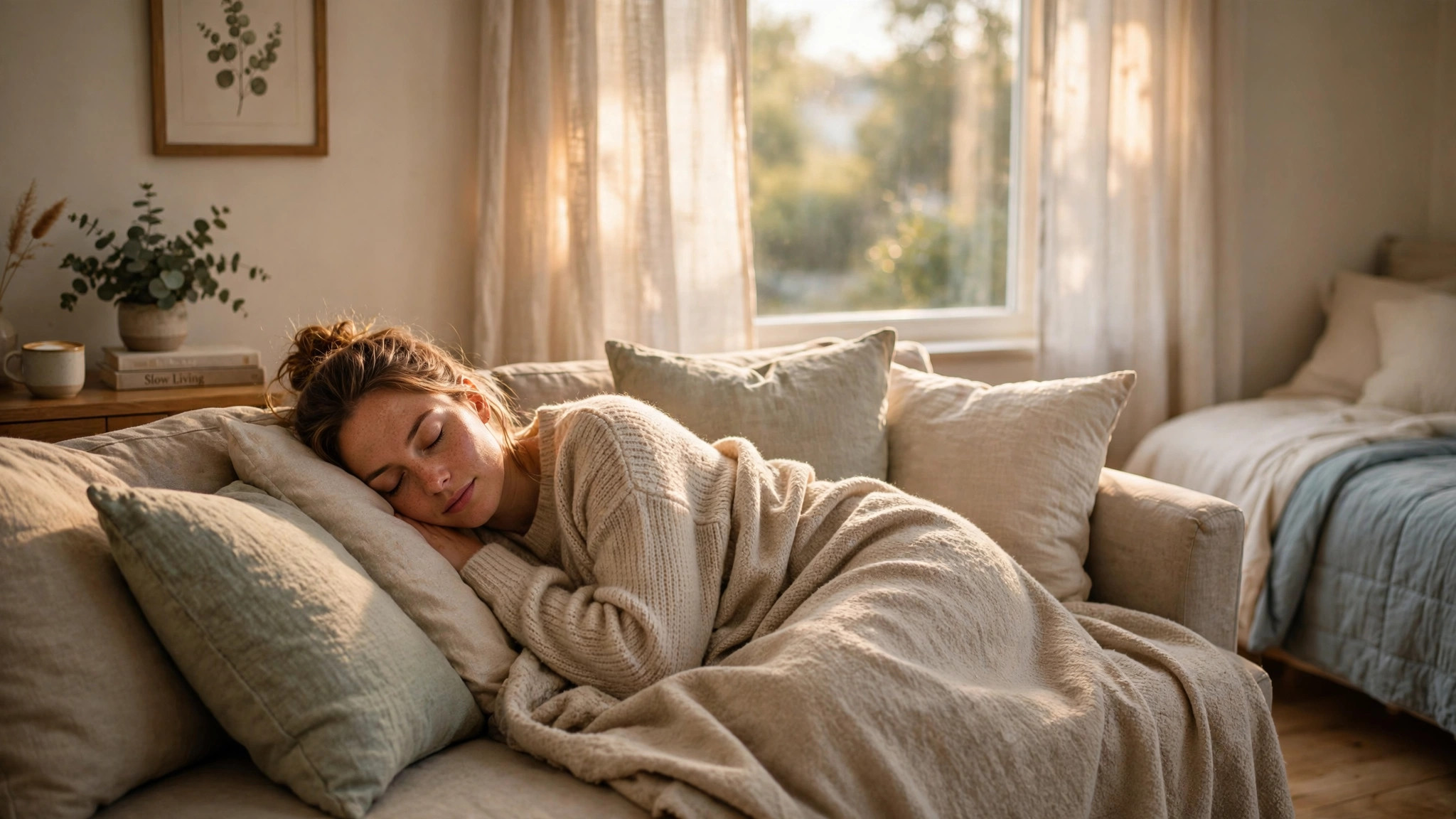
The CDC calls it a public health epidemic: 1 in 3 American adults regularly sleeps less than the recommended 7 hours. We're sleeping about an hour less per night than we did in the 1940s — and the RAND Corporation estimates insufficient sleep costs the US economy $411 billion a year in lost productivity.
We treat exhaustion like a badge of honor. Science treats it like what it is: slow self-destruction. Here's why Americans can't sleep — and the evidence-based fixes that actually work.
Why America Can't Sleep
Screens won the bedtime war
The average American spends 7+ hours a day on screens, and 90% use a device in the hour before bed. Blue light suppresses melatonin — the hormone that tells your brain it's night — delaying sleep onset by up to 90 minutes. Your phone isn't just distracting you; it's chemically telling your brain it's daytime.
The 24/7 work culture
Emails at 11 PM. Slack notifications at 6 AM. Nearly 30% of American workers report being contacted about work outside hours weekly. Your nervous system can't downshift when your boss might ping you. Countries with legal "right to disconnect" laws sleep measurably better.
Caffeine timing
That 4 PM coffee? Caffeine's half-life is 5–6 hours, meaning half is still in your system at 10 PM. Studies show caffeine consumed even 6 hours before bed reduces total sleep by over an hour. The cutoff most sleep doctors recommend: no caffeine after 2 PM.
The bedroom is too warm, too bright, too loud
The ideal sleep temperature is 65–68°F (18–20°C) — cooler than most Americans keep their bedrooms. Light pollution, street noise, and a glowing alarm clock all fragment sleep quality even when you don't fully wake.
What Sleep Loss Does to You (It's Worse Than You Think)
- Cognition: 6 hours of sleep for 2 weeks impairs you as much as 2 full days without sleep — but you don't feel it, so you keep driving, working, deciding while impaired.
- Weight: Short sleepers produce more ghrelin (hunger hormone) and less leptin (fullness hormone). Sleeping under 6 hours is linked to 30% higher obesity risk.
- Immunity: People sleeping under 7 hours are 3x more likely to catch a cold when exposed to a virus.
- Heart: Chronic short sleep raises hypertension, heart attack, and stroke risk significantly.
- Life expectancy: Consistently sleeping under 6 hours is associated with a 12% higher mortality risk.
The Fix: A Sleep System That Works
1. Anchor your wake time
Pick a wake time and keep it 7 days a week — yes, weekends too. Your circadian rhythm anchors to wake time, not bedtime. Consistency beats duration for sleep quality.
2. Get morning light
10 minutes of outdoor light within an hour of waking sets your melatonin timer for 14–16 hours later. It's the single most powerful circadian tool, and it's free.
3. The 3-2-1 wind-down
- 3 hours before bed: no more food (digestion disrupts deep sleep)
- 2 hours before bed: no more work (let the mind offload)
- 1 hour before bed: no more screens (or blue-light glasses at minimum)
4. Cool, dark, quiet
Set the thermostat to 67°F, use blackout curtains or a sleep mask, and try white noise if your street is loud. Your bedroom should feel like a cave.
5. If you can't sleep, get up
Lying awake trains your brain to associate bed with anxiety. If you're awake 20+ minutes, get up, do something boring in dim light, and return when drowsy. This "sleep restriction" technique is the core of CBT-I, the most effective insomnia treatment known.
The Bottom Line
America's sleep crisis isn't a willpower problem — it's an environment problem: screens, work creep, caffeine, and bedrooms built for everything but sleep. Fix the environment with the 3-2-1 wind-down, morning light, and a consistent wake time, and your brain will do the rest. You spend a third of your life asleep. It's time to stop treating it as optional.
Naps: The Underused Performance Tool
While nighttime sleep is non-negotiable, strategic napping is America's most underused performance enhancer. NASA research found a 26-minute nap improved pilot performance by 34% and alertness by 54%.
The rules for perfect napping:
- 20 minutes max (set an alarm) — longer naps cause grogginess from deep sleep
- Before 3 PM — late naps steal nighttime sleep
- Caffeine nap hack: drink coffee, then nap 20 minutes. Caffeine kicks in as you wake, giving a double boost. Studies confirm this outperforms either alone.
Companies like Google and Nike now provide nap pods — because the data is undeniable. A 20-minute nap beats a 20-minute scroll through your phone every time.
Sleep Aids: What Actually Works
The sleep-aid aisle is a $30 billion industry built mostly on hope. Here's what the evidence says:
- Melatonin: Effective for jet lag and shifting sleep timing, modestly helpful for insomnia. Low doses (0.5–1mg) work better than the 10mg megadoses sold in stores. Take 1–2 hours before bed.
- Magnesium glycinate: Some evidence for improving sleep quality, especially in deficient people. Generally safe; 200–400mg before bed is the studied range.
- Valerian, chamomile, tart cherry: Weak to modest evidence. Probably harmless, possibly helpful.
- Alcohol: The worst "sleep aid." It sedates you but fragments sleep architecture, suppressing REM sleep. You fall asleep faster and sleep worse — the opposite of rest.
- Prescription sleep meds: Effective short-term, but linked to dependence and next-day impairment. CBT-I (cognitive behavioral therapy for insomnia) outperforms pills long-term with zero side effects.
Bottom line: Fix the behaviors first (light, schedule, screens, caffeine). Supplements are a distant second. Pills are a last resort, not a lifestyle.
📚 Keep reading:

7 Ways to Strengthen Immunity Before Flu Season
Flu season hospitalizes 200,000+ Americans yearly. These 7 science-backed habits build your immune defenses before it hits.

6 Science-Backed Ways to Calm Work Anxiety Fast
Sunday-night dread? Racing thoughts at your desk? These 6 research-proven techniques calm work anxiety in minutes.
What Happens to Your Body When You Quit Soda
One soda a day adds 55 pounds of sugar a year. Here's the week-by-week timeline of what changes when you quit.