Chapped Lips: Why They Crack and What Actually Heals Them
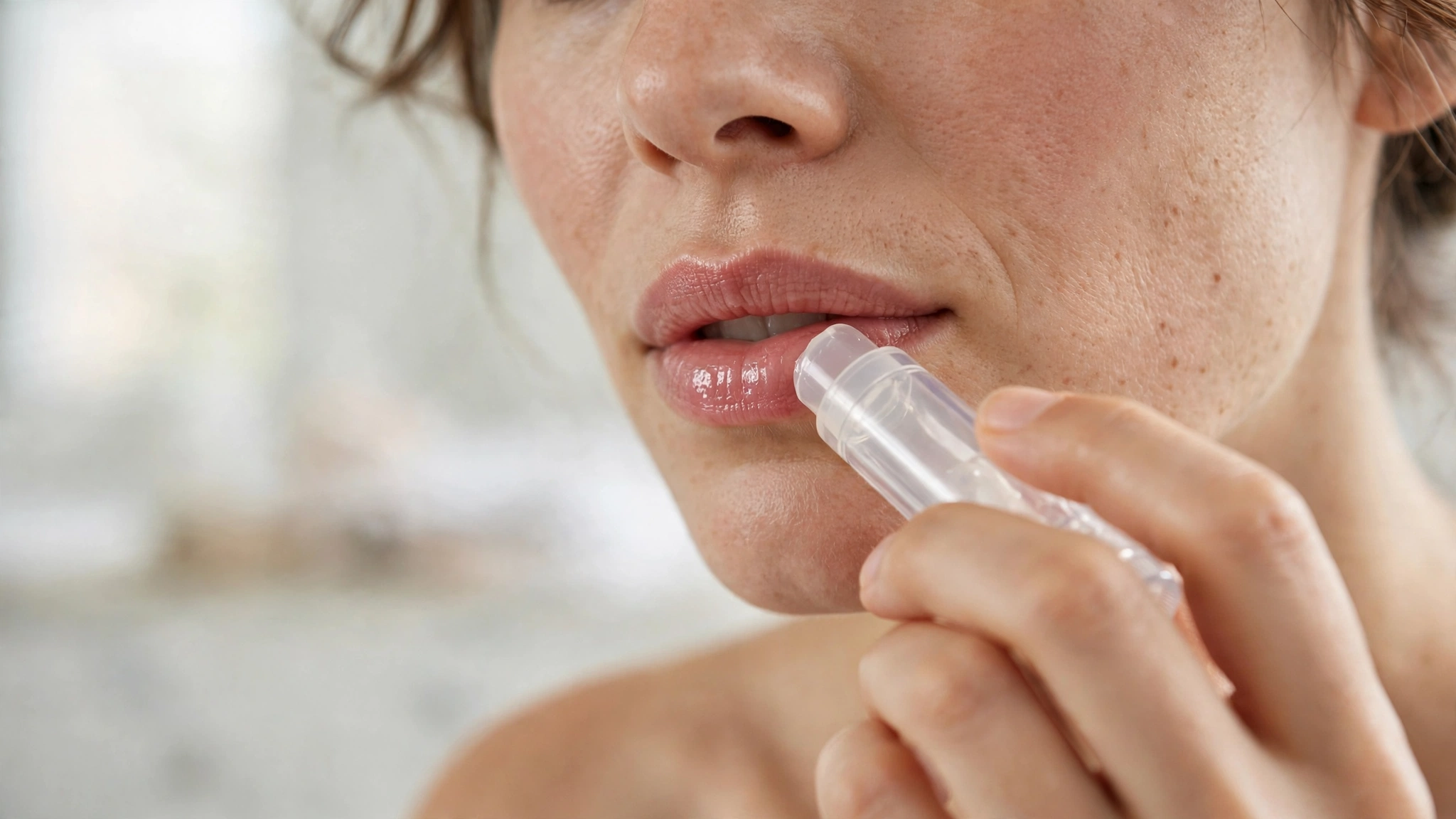
Every winter, millions of Americans reach for a lip balm — and then reach for it again an hour later, wondering why their lips still feel like sandpaper. Chapped lips are so common that most people treat them as a minor annoyance. But the cycle of cracking, peeling, and reapplying is not random, and in many cases the product meant to fix the problem is quietly making it worse.
The good news: once you understand why lips are so vulnerable, fixing them is mostly a matter of stopping a few habits and choosing the right kind of balm.
Why lips crack so easily
Your lips are built differently from the rest of your skin. They have no sweat glands and no oil glands of their own, so they cannot moisturize themselves the way your cheeks or forehead can. The skin on your lips is also much thinner than facial skin, so moisture escapes fast and irritants get in easily.
Cold, dry air is the classic trigger, and late fall is when it starts. Outdoor air loses humidity as temperatures drop, and indoor heating dries the air further. Add wind, and the effect multiplies: wind strips away the thin layer of moisture sitting on the lip surface, leaving it exposed all over again.
That is also why lips suffer indoors in winter. Forced-air heating and low indoor humidity quietly dehydrate the skin, and if you sleep with your mouth open, your lips spend all night exposed to moving air — which is why many people wake up with cracked lips even in a warm bedroom.
The licking trap
The single most common reason chapped lips do not heal is licking them. It feels like relief for about ten seconds, but saliva evaporates quickly, taking even more of your lips' own moisture with it. Saliva also contains digestive enzymes that irritate raw, cracked skin. The more you lick, the drier your lips get, the more you want to lick — a loop dermatologists see every winter.
The same goes for picking and peeling. Pulling loose flakes off tears into healthy skin underneath and invites infection. If a flap is hanging, leave it alone or trim it carefully with clean, small scissors rather than biting it off.
Your lip balm may be the problem
Not all lip balms help, and some popular ones actively sabotage healing. Ingredients that give a tingling, cooling, or "plumping" feeling — camphor, eucalyptus, menthol, and peppermint oil — are irritants on cracked skin. They feel active, so people assume they are working, but on raw lips they cause more inflammation and dryness, which sends you back for another application.
Fragrances and flavorings are another hidden culprit. Cinnamon, mint, and citrus flavorings can trigger reactions in sensitive people, causing redness and peeling that never fully clears. Lanolin, a common ingredient derived from sheep's wool, is also a known allergen for some. If your lips stay irritated despite constant balm use, the balm itself is the first suspect.
What actually works is boring, and that is the point. The American Academy of Dermatology recommends simple, fragrance-free ointments over waxy sticks: white petroleum jelly and thick ointments containing ceramides seal in moisture far better than thin, shiny balms. Apply a generous layer before bed, and reapply during the day before going outside, eating, or brushing your teeth.
Do not forget sun protection
Lips get sun damage too, and because they have very little melanin, they are more vulnerable to it than the rest of your face. Chronic sun exposure can cause actinic cheilitis, a rough, persistently scaly condition of the lower lip that can, over time, develop into skin cancer. This is not just a summer issue: winter sun reflected off snow is intense for skiers, runners, and anyone who works outdoors.
Choose a lip product with SPF 30 or higher for daytime use, and reapply it every couple of hours outdoors, just as you would sunscreen on your face.
When cracked lips mean something more
Most chapped lips are simply weather and habit. But a few patterns deserve medical attention:
- Cracks only at the corners of the mouth. This is called angular cheilitis. It is often caused by saliva pooling in the corners, but it can also signal iron deficiency, low vitamin B2 or B12, or a yeast or bacterial infection. It is more common in people who wear dentures or have diabetes.
- Lips that never heal despite weeks of good care. Persistent scaling, sores, or a lip that stays swollen may point to an allergic reaction, a cold sore, or a medication side effect. Drugs that dry the skin — including isotretinoin (Accutane), lithium, and high-dose vitamin A supplements — are well-known causes of severe lip dryness.
- A rough, scaly patch that does not go away. Especially on the lower lip, and especially in people with years of sun exposure, this should be shown to a dermatologist to rule out actinic cheilitis.
- Bleeding, blistering, or signs of infection. Increasing pain, warmth, yellow crusting, or spreading redness around the mouth needs prompt care rather than more balm.
A simple routine that actually works
Dermatologists' advice boils down to a few habits:
- Seal, do not tingle. Use a plain, fragrance-free ointment or petroleum jelly, especially at night. Skip camphor, menthol, eucalyptus, and cinnamon flavorings.
- Apply before you need it. Put balm on before going outside, before bed, and after brushing your teeth (toothpaste ingredients can irritate cracked lips).
- Stop the licking loop. When you catch yourself licking, apply balm instead.
- Add moisture to the air. A bedroom humidifier in winter helps lips, nasal passages, and skin together.
- Protect from the sun. SPF 30 or higher on the lips during the day, year-round.
- Hydrate and eat normally. Drinking water helps overall skin health, but no amount of water fixes lips if you keep licking them or using an irritating balm. A balanced diet covers the B vitamins and iron linked to corner-of-mouth cracking.
- Be gentle with exfoliation. If you use a lip scrub, do it no more than once a week and never on lips that are cracked or bleeding.
For children, the same rules apply, with one addition: flavored, brightly colored balms encourage licking, so a plain ointment works better even if it is less fun. And kids should not share balms at school, which spreads cold sores and other infections.
The bottom line
Chapped lips are rarely a mystery and rarely a crisis. They happen because lips cannot protect themselves, winter air is dry, and the habits that feel soothing — licking, peeling, and reaching for a tingly balm — keep the damage going. Switch to a plain ointment, add sun protection during the day, run a humidifier, and give your lips a few undisturbed nights to heal. If they still refuse to heal after a few weeks, or if the cracking is only at the corners, bleeding, or blistered, get it checked rather than trying a tenth balm.
Rao Sajid is the founder and editor of VitalDaily. He covers everyday health topics — nutrition, sleep, fitness and wellness — turning guidance from public-health sources like the CDC, NIH and FDA into plain, practical advice. More about Rao →
📚 Keep reading:
Why Your Nose Gets Stuffy When You Lie Down
Fine all day, clogged the moment your head hits the pillow. Here's why gravity, your nasal cycle, and swollen turbinates team up at night.

Brain Freeze: Why It Happens and How to Stop It
One icy spoonful and suddenly there's an ice pick in your forehead. Here's the surprising science behind brain freeze and the fastest ways to make it stop.

Weighted Blankets: Do They Really Help You Sleep?
Weighted blankets promise deeper sleep and less anxiety. Here is what research shows, who should skip them, and how to pick the right weight.