Dandruff - Why Your Scalp Flakes and How to Stop It
The Flakes Nobody Talks About
You put on a black sweater, glance in the mirror, and there they are: white flakes dusting your shoulders. Dandruff is one of the most common skin complaints in America, affecting roughly 50 million people in the United States, according to the American Academy of Dermatology. It shows up at every age, on every hair type, and it has nothing to do with being dirty.
The good news is that most dandruff is easy to control once you understand what is actually happening on your scalp. The bad news is that most people treat the wrong problem, buying a moisturizing shampoo for what is really a yeast problem.
What Dandruff Actually Is
Your scalp constantly sheds dead skin cells, just like the rest of your skin. Normally those cells are tiny and invisible. With dandruff, shedding speeds up and the cells clump with oil into visible white or yellowish flakes. The itching is often worse than the flakes themselves.
The main driver is a yeast called Malassezia. It lives on everyone's scalp and feeds on the natural oils your skin produces. In some people, the immune system overreacts to it, triggering faster skin turnover and inflammation. That is why dandruff is not contagious: you cannot catch someone else's Malassezia, because you already have your own.
Flare-ups are more likely when:
- Oily skin. More scalp oil means more food for the yeast.
- Dry winter air. Cold outdoor air plus heated indoor air dries the scalp, which is why flakes often get worse from November through February.
- Infrequent washing. Oil and dead skin build up between washes, giving flakes more material to clump.
- Stress and illness. Flare-ups often follow stressful periods, and dandruff is more common in people with Parkinson's disease or weakened immune systems.
- Sensitivity to hair products. Heavy styling products can irritate the scalp and build up around hair follicles.
Dandruff vs. Dry Scalp vs. Something Else
Not every flake is dandruff, and the treatment differs, so it is worth telling them apart.
Dry scalp produces small, dry, white flakes, usually with dry skin elsewhere on the body, especially in winter. It improves with gentler washing and a bit more moisture.
Dandruff flakes tend to be larger, slightly yellowish or oily, and stick to the hair and scalp rather than falling freely. The scalp is often itchy and a little red.
Seborrheic dermatitis is dandruff's more severe cousin. It causes red, greasy, scaly patches on the scalp and also on the eyebrows, around the nose, behind the ears, and sometimes the chest. It needs the same medicated shampoos, used more consistently.
Scalp psoriasis produces thick, silvery scales and well-defined raised patches, often on the elbows and knees as well. If your patches look thick and silvery, get it checked rather than guessing.
Which Shampoo Actually Works
Regular shampoo cleans hair. Dandruff shampoo treats the scalp, and the difference is the active ingredient on the label. The main options, all sold over the counter in American drugstores:
Zinc pyrithione. The most common choice, found in many everyday dandruff shampoos. It slows yeast growth and calms irritation. A solid starting point for mild dandruff.
Selenium sulfide. Stronger against the yeast and also slows skin cell turnover. It can discolor light or chemically treated hair if overused.
Ketoconazole. An antifungal, sold over the counter at 1 percent strength. Often the best choice when zinc pyrithione stops working.
Coal tar. Slows skin cell production and reduces itching. It has a strong smell and can stain light hair, but it is effective for stubborn cases.
Salicylic acid. Loosens and removes scales rather than killing yeast. Useful when flakes are thick and crusty, and it pairs well with other treatments.
How to Use Dandruff Shampoo Correctly
This is where most people go wrong. Dandruff shampoo is a scalp treatment, not a hair wash, and it needs contact time:
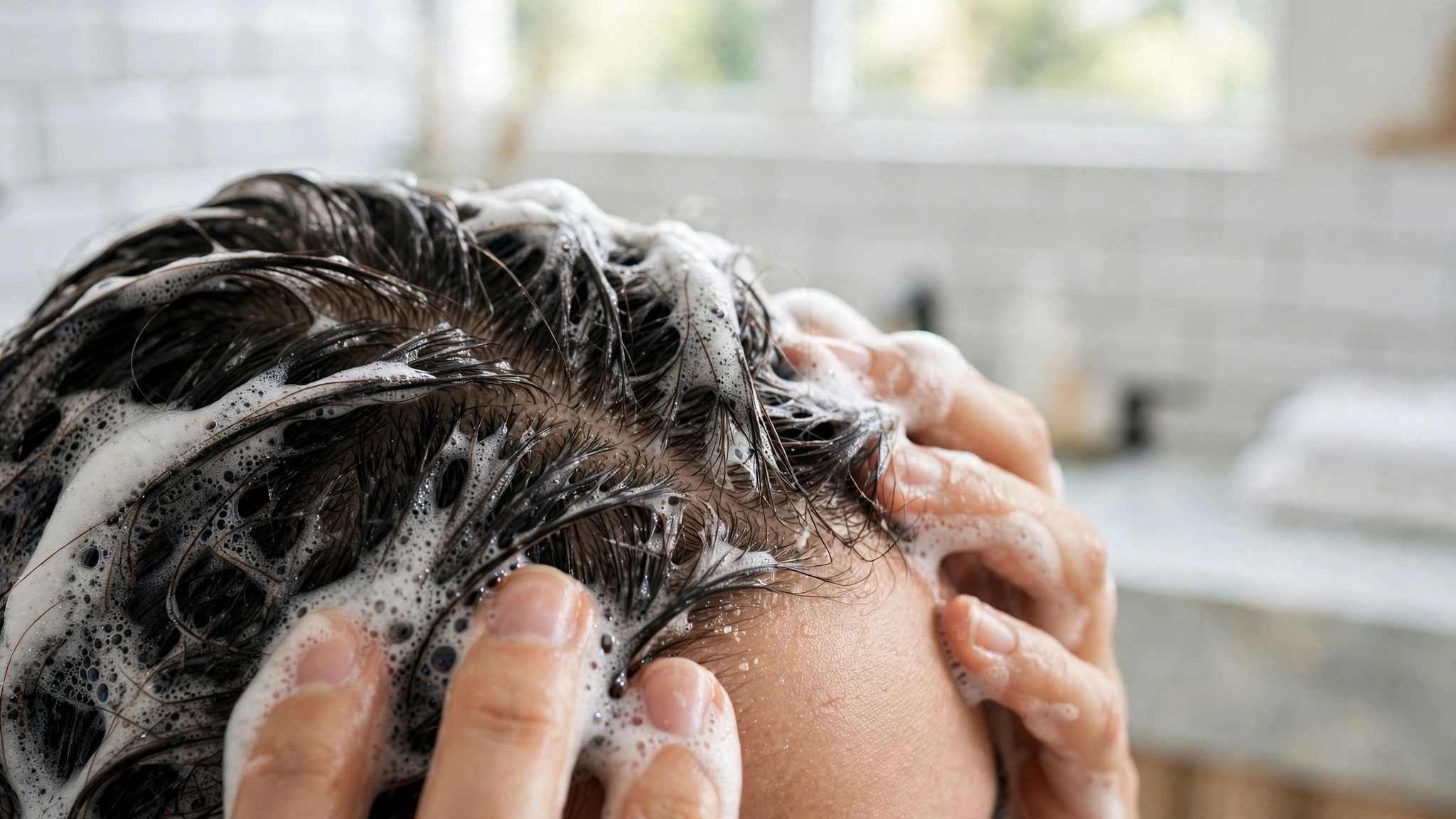
- Wet your hair and massage the shampoo into your scalp, not just the hair lengths.
- Leave it on for at least 5 minutes before rinsing. Set a timer if you need to.
- Rinse thoroughly and follow with your regular conditioner on the ends only.
- Use it 2 to 3 times a week at first. Once flakes are under control, drop to once a week for maintenance.
- If one active ingredient stops working after a few months, switch to a different one. Rotating ingredients prevents the yeast from adapting and keeps the treatment effective.
Expect improvement in 2 to 4 weeks. If nothing changes after a month of correct use, see a dermatologist.
Everyday Habits That Keep Flakes Down
Shampoo does most of the work, but daily habits decide whether flakes come back:
Wash often enough. If your scalp is oily, washing daily or every other day is fine. The old advice to wash less backfires when oil buildup is feeding the problem.
Go easy on styling products. Gels, pomades, and heavy oils build up on the scalp and trap flakes. Wash them out the same day.
Stop scratching. It breaks the skin, invites infection, and can trigger more flaking and even temporary hair loss in the scratched areas.
Manage stress. Stress does not cause dandruff, but flare-ups reliably follow stressful weeks. Sleep, exercise, and less alcohol help by calming the immune response.
Let your scalp breathe. Hats are fine, but a tight cap worn all day traps heat and moisture against the scalp. Take it off when you are indoors.
Eat for your skin. No food cures dandruff, but zinc, B vitamins, and omega-3 fats support healthy skin: eggs, nuts, fatty fish, and leafy greens, not expensive supplements.
Myths Worth Dropping
"Dandruff means you are unclean." False. Some of the oiliest scalps belong to people who wash daily. Dandruff is about yeast and skin turnover, not hygiene.
"Dandruff is contagious." False. You cannot catch it from sharing a brush, a hat, or a pillow.
"It only happens in winter." False. Winter makes it worse, but dandruff is a year-round condition for most people who have it.
When to See a Doctor
Most dandruff responds to drugstore shampoo. Book an appointment with a dermatologist if:
- Over-the-counter shampoos fail after 4 weeks of correct use
- Your scalp becomes very red, swollen, or crusted
- Flakes spread to your eyebrows, ears, nose, or chest
- You notice hair loss along with the flakes
- The itching is intense enough to disrupt your sleep
A dermatologist can prescribe stronger antifungal shampoos, topical steroids for inflammation, or check whether the real diagnosis is psoriasis or eczema, which need different treatment.
The Bottom Line
Dandruff is common, stubborn, and almost never serious. It is driven by a yeast that lives on every scalp, worsened by oil, dry winter air, and stress, and controlled by the right medicated shampoo used the right way: massaged into the scalp, left on for 5 minutes, and rotated when it stops working.
Pick one active ingredient, use it correctly for a month, and adjust from there. For most people, that is the whole battle.
Rao Sajid is the founder and editor of VitalDaily. He covers everyday health topics — nutrition, sleep, fitness and wellness — turning guidance from public-health sources like the CDC, NIH and FDA into plain, practical advice. More about Rao →
📚 Keep reading:
Diverticulitis: Signs, Causes, and What Actually Helps
Diverticulitis sends 200,000 Americans to the hospital each year. Learn the warning signs, what triggers a flare, and which treatments work.

Are Protein Bars Actually Healthy? The Truth
Most protein bars are candy bars in gym clothes. Learn how to spot a genuinely healthy one, what labels hide, and when a bar beats skipping a meal.

Why You Shiver: Your Body's Built-In Furnace
Shivering is your body's emergency heater, burning calories to warm you up. Here is how it works, why some people shiver more, and when it signals danger.