Gout: Why America's Most Painful Arthritis Is Surging
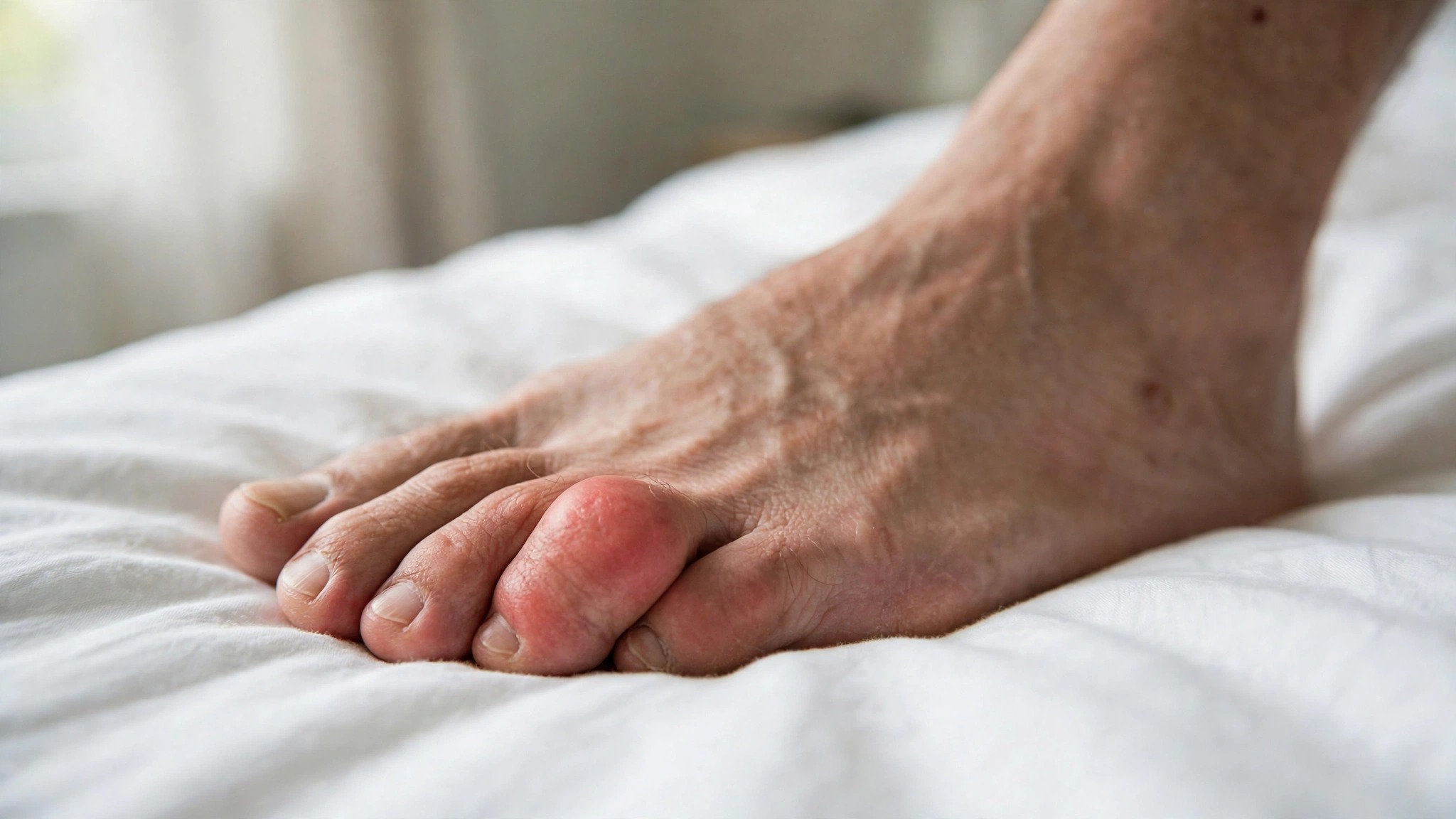
It often strikes at 3 a.m. You wake up because your big toe feels like it's on fire — hot, swollen, so tender that the weight of the bedsheet is unbearable. By morning the joint is red and angry, and walking is an ordeal. This isn't a sprain. It's gout, one of the most painful forms of arthritis on the planet.
Gout was once called the "disease of kings," the affliction of Henry VIII and portly Victorian aristocrats who drank too much wine and ate too much rich food. But today it isn't confined to royalty or gluttons. According to the CDC, roughly 9.2 million American adults — about 1 in 25 — live with gout, and men develop it three to four times more often than women.
So why is this ancient disease surging in modern America? The answer says a lot about how we eat, drink, and live.
What Gout Actually Is
Gout starts with uric acid, a waste product your body makes when it breaks down purines — chemicals found naturally in your cells and in many foods. Normally, uric acid dissolves in the blood, passes through the kidneys, and leaves in urine. But when levels get too high, the acid crystallizes into sharp shards that settle in joints — the big toe is the classic target, though ankles, knees, wrists, and fingers are fair game too. Your immune system attacks the crystals as foreign invaders: redness, heat, swelling, and pain doctors describe as one of the worst in medicine.
A first flare usually hits a single joint and peaks within a day. Without treatment, flares come back — closer together, hitting more joints. Left unchecked for years, gout can permanently damage joints and form chalky crystal deposits called tophi under the skin.
Why Cases Keep Rising in the U.S.
Gout isn't spreading because of a virus — the trends line up uncomfortably well with America's health data:
- Obesity. Carrying extra weight raises uric acid production and slows how fast your kidneys clear it — and with more than 4 in 10 American adults now obese, gout's fuel supply has never been bigger.
- Sugary drinks. Fructose — especially the high-fructose corn syrup in sodas, sweet teas, and fruit juices — is one of the few foods proven to spike uric acid quickly. Studies of tens of thousands of Americans have linked two or more sugary drinks a day to a sharply higher gout risk.
- Beer and liquor. Alcohol, especially beer, doubles down on gout: it's rich in purines and it interferes with uric acid removal. Beer drinkers carry the highest risk. Wine, interestingly, shows little effect.
- Red meat and processed food. A diet heavy in beef, bacon, hot dogs, and organ meats (liver, kidneys, sweetbreads) floods the system with purines. The modern American plate — big portions of meat, fast-food dinners — is a perfect setup.
- Medications. Diuretics ("water pills") for high blood pressure, low-dose aspirin, and some transplant drugs raise uric acid. Since hypertension itself is rampant in the U.S., many gout patients are managing both.
- Kidney disease and diabetes. When kidneys underperform, uric acid backs up. Metabolic syndrome — the cluster of belly fat, high blood pressure, high blood sugar, and abnormal cholesterol affecting about 1 in 3 American adults — travels in gout's company.
Put together, it's not mysterious: the same eating and drinking patterns behind America's obesity and diabetes epidemics are driving gout too.
It's Not Just a Rich Man's Disease
The "disease of kings" label is a myth that does real harm. Yes, heavy drinking and meat feasts can trigger flares. But diet only accounts for roughly a third of your uric acid — your body manufactures the rest, and your kidneys decide how much leaves.
Foods That Raise Your Risk
You don't need a perfect diet to manage gout, but knowing the heavy hitters helps: beer and liquor (beer especially); sugary sodas, sweet tea, and fruit juice; organ meats like liver, kidneys, and sweetbreads (the most purine-dense foods of all); red meat — beef, lamb, pork, bacon, sausage; and certain seafood — anchovies, sardines, mussels, scallops, shrimp, and lobster. Gravies, meat extracts, and yeast supplements are concentrated purines too.
Foods like chicken, turkey, beans, lentils, and most vegetables contain moderate purines and are generally fine in normal portions — vegetables have never been convincingly linked to gout flares.
Foods That Actually Help
- Cherries. The best-studied gout food: in a Boston University study of gout patients, eating cherries was associated with a 35% lower risk of a flare over the next two days. Tart cherry juice shows similar promise.
- Low-fat dairy. Milk, yogurt, and low-fat cheese are linked to lower uric acid — dairy proteins appear to help the kidneys excrete it.
- Coffee. Several large studies associate regular coffee drinking with lower uric acid and lower gout risk — decaf shows a smaller effect too.
- Water. Aim for 8 or more cups a day. Well-hydrated kidneys flush uric acid more efficiently, and dehydration is a known flare trigger.
And lose weight gradually if you're overweight. Crash diets and fasting backfire — rapid weight loss temporarily raises uric acid and can trigger the very flares you're trying to prevent.
How Doctors Treat It
Gout is one of the most treatable forms of arthritis — but only if you see a doctor instead of white-knuckling through flares. During a flare, doctors prescribe NSAIDs like ibuprofen, colchicine, or corticosteroids to douse the inflammation; ice and rest help.
Long-term, daily medications such as allopurinol or febuxostat lower uric acid production, dissolving crystals over months. The target is usually a blood uric acid level below 6 mg/dL. One critical rule: don't stop these medicines during a flare — that can make things worse.
When Gout Gets Serious
Most gout is manageable, but warning signs deserve prompt medical attention: flares that last more than a few days or keep returning to the same joint; hard, painless lumps under the skin (tophi), often on ears, elbows, or fingers; kidney stones; or joints that stay stiff between flares.
Gout also travels with cardiovascular and kidney disease, so a diagnosis is a good prompt to check blood pressure, cholesterol, blood sugar, and kidney function.
6 Ways to Fight Back Today
- Cut soda and beer. Swap sugary drinks for water or seltzer; if flares follow drinking, beer is the first thing to cut.
- Eat cherries. A daily handful or a glass of tart cherry juice is cheap insurance.
- Go low-fat dairy. Yogurt at breakfast, milk in coffee — small daily habits that lower uric acid.
- Hydrate. Keep a water bottle at your desk; dehydration invites flares.
- Lose weight slowly. Aim for 1 to 2 pounds a week — no crash diets.
- See your doctor. If you've had even one flare, get your uric acid tested. Gout is fixable — but only if it's treated.
Gout may have started as a disease of kings, but in 21st-century America it's become a disease of the standard American diet. The good news: lifestyle changes plus modern medicine can genuinely put it into remission. Take that 3 a.m. toe pain seriously — not as a badge of excess, but as a signal your body is asking for help.
📚 Keep reading:

Are Eggs Good for You? What 20 Years of Science Says
Few foods have been demonized and rehabilitated like the egg. Here's what two decades of research — and the latest U.S. dietary guidance — actually say about eggs, cholesterol, and your heart.

The 10,000-Step Rule Is a Myth — Here's Your Real Number
The 10,000-step goal came from a 1965 pedometer ad, not science. Research now shows the real longevity sweet spot is lower — and every extra 500 steps counts.

What Is a Good Resting Heart Rate? 7 Ways to Lower Yours
A resting heart rate above 75 may raise your risk of heart disease. Here is what the numbers mean and 7 proven ways to bring yours down naturally.