Lower Cholesterol Naturally: 9 Proven Strategies That Work
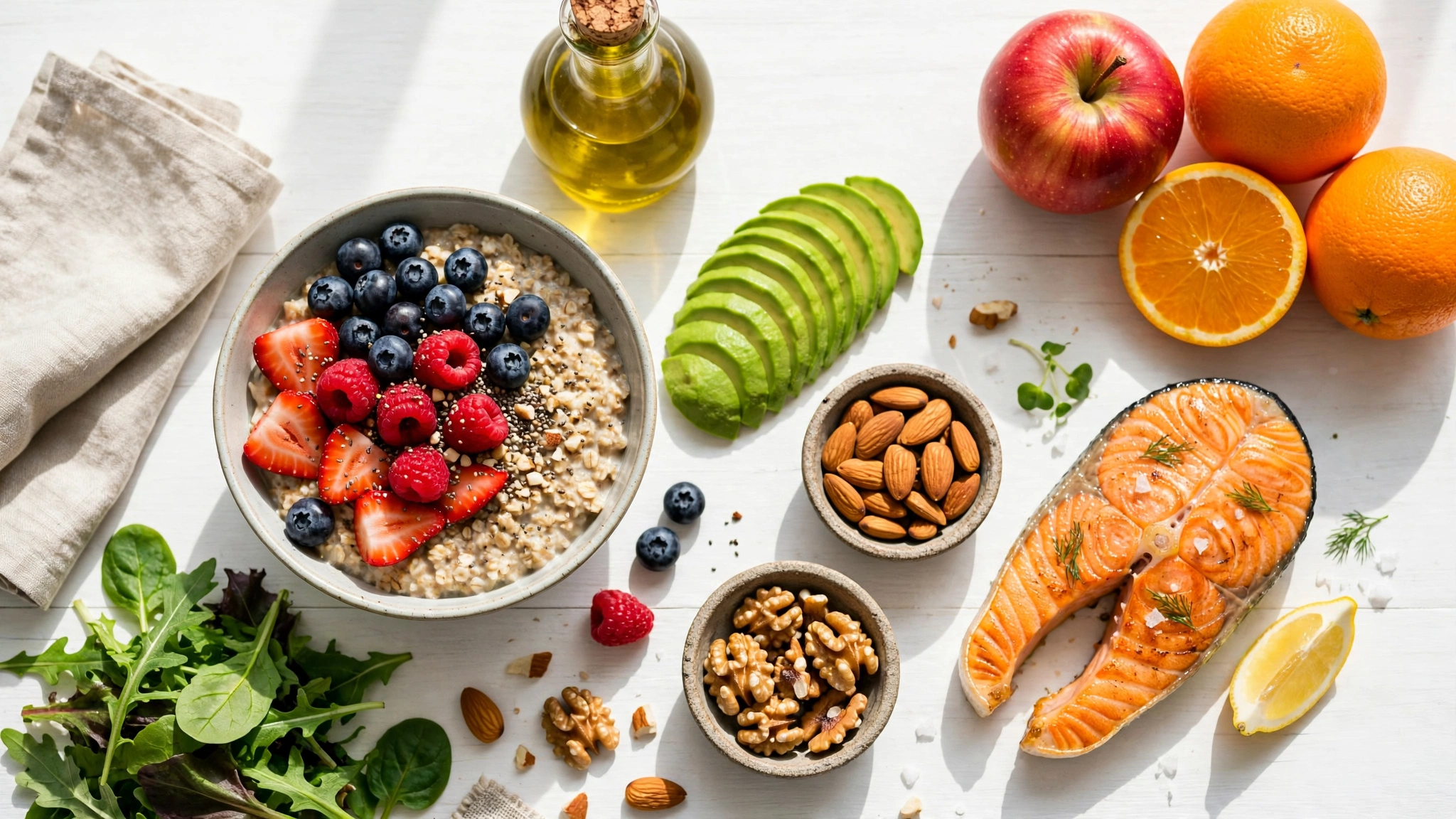
Your blood test came back and the verdict is in: your cholesterol is high. You're not alone — the Centers for Disease Control and Prevention (CDC) estimates that nearly 86 million American adults have total cholesterol above 200 mg/dL, and about 28 million of them have LDL above 190, the danger zone. High cholesterol usually causes zero symptoms, which is exactly why it earns its nickname: the silent heart risk.
Here's the good news. For most people with mildly to moderately elevated cholesterol, lifestyle changes alone can drop LDL by 20–30% — sometimes enough to avoid medication entirely, sometimes enough to make a lower dose work better. These are the strategies cardiologists actually recommend, ranked by how much evidence backs them.
1. Ditch the saturated fat — the single biggest dietary lever
If you change one thing, make it this. Saturated fat raises LDL more than dietary cholesterol does. The American Heart Association recommends limiting saturated fat to under 6% of daily calories — about 13 grams per day on a 2,000-calorie diet.
The biggest offenders in the American diet:
- Butter, cheese, whole milk, and cream
- Fatty beef, bacon, sausage, and processed deli meats
- Coconut and palm oil
- Baked goods, pizza, and fast-food fried items
Swap smart: butter → olive oil, whole milk → 1% or skim, fatty ground beef → 93% lean or turkey, cheese-heavy snacks → a handful of unsalted almonds. Most people see LDL drop 5–10% from this swap alone within 6–8 weeks.
2. Eat your soluble fiber like medicine
Soluble fiber is nature's cholesterol sponge. It binds to cholesterol in your digestive tract and carries it out before it enters your bloodstream. Aim for 25–30 grams of total fiber per day, with a good share of the soluble kind.
Your best sources:
- Oats and oatmeal — 3 grams of beta-glucan per bowl; studies show about a 5% LDL drop at 3 grams daily
- Beans and lentils — a half-cup of black beans packs 7–8 grams of fiber
- Apples, pears, and citrus — pectin-rich and portable
- Barley, chia seeds, flaxseed, and Brussels sprouts
Pro tip: add one tablespoon of ground flaxseed to your morning oatmeal. You get fiber plus omega-3s, and it takes ten seconds.
3. Get 30 minutes of brisk exercise most days
Exercise won't slash your cholesterol the way diet does, but it does something just as important: it raises HDL — the "good" cholesterol that hauls LDL away from your arteries — and improves the size and quality of your LDL particles.
The magic formula backed by decades of research: 150 minutes of moderate aerobic activity per week (brisk walking, cycling, swimming) plus 2 days of strength training. A 30-minute brisk walk, five days a week, hits the target exactly. If 150 minutes sounds like a lot, start with 15-minute walks after lunch and dinner — and remember that post-meal walks also blunt blood sugar spikes.
4. Lose even a little weight
You don't need to reach your college weight. Research consistently shows that losing just 5–10% of your body weight improves cholesterol — and the effect is biggest on triglycerides, which can fall 20% or more. At 200 pounds, that's 10–20 pounds.
The mechanism is simple: excess weight, especially around the belly, makes your liver pump out more LDL and triglycerides. A modest, sustained calorie cut (200–300 calories a day, no crash dieting) combined with the exercise from tip #3 does double duty.
5. Eat like the Mediterranean
The Mediterranean diet is the most studied eating pattern on Earth, and it consistently lowers LDL while protecting the heart overall. The landmark PREDIMED trial found it cut major cardiovascular events by about 30% compared to a standard low-fat diet.
The pattern, in plain English:
- Olive oil as your main fat
- Vegetables, fruits, legumes, whole grains, and nuts daily
- Fish and seafood twice a week — fatty fish like salmon, sardines, and mackerel for omega-3s
- Red meat a few times a month, not a few times a week
- Small amounts of red wine only if you already drink — alcohol is not a health strategy
6. Add plant sterols and stanols
These natural compounds, found in small amounts in fruits, vegetables, and whole grains, block cholesterol absorption in your gut. Fortified foods — certain orange juices, margarines, and yogurt drinks — contain higher doses. About 2 grams of plant sterols per day can lower LDL by 8–10%, and they stack on top of other changes. Check the nutrition label; the dose matters more than the brand.
7. Go easy on sugar and refined carbs
Sugar doesn't just raise triglycerides — a diet high in added sugar is linked to lower HDL too, the one direction you never want. The American Heart Association caps added sugar at 36 grams per day for men and 25 grams for women. For context, one 12-ounce can of regular soda carries about 39 grams — the entire daily budget in one drink.
Swap sugary drinks for water, seltzer with lemon, or unsweetened iced tea, and you'll likely see your triglycerides start falling within weeks.
8. Quit smoking — your HDL will thank you
Within 20 minutes of quitting, your heart rate and blood pressure drop. Within a year, your risk of heart disease is cut roughly in half. Smokers tend to have lower HDL and higher LDL, and quitting reverses much of that damage faster than most people expect. If you've been meaning to quit, your cholesterol report is a solid reason number one. Call 1-800-QUIT-NOW for free, proven help.
9. Drink less alcohol
Alcohol raises triglycerides, adds empty calories that drive weight gain, and can raise blood pressure. If you drink, the American Heart Association advises keeping it to one drink a day for women, two for men — and no amount is required for health. If your triglycerides are high, cutting alcohol entirely is one of the fastest fixes there is.
When lifestyle isn't enough
Be honest with yourself: if your LDL is above 190 mg/dL, if you already have heart disease, or if your doctor has calculated a high 10-year risk score, lifestyle changes are the foundation — but they may not be the whole house. Statins are among the most studied and safest medications ever developed, and combining them with the habits above gives you the best of both worlds.
The plan that works: adopt the changes, get re-tested in 8–12 weeks, and review the numbers with your doctor. Most people are surprised how far these nine moves carry them.
The bottom line
High cholesterol doesn't announce itself — but it responds beautifully to consistent action. Swap saturated fats for olive oil, eat your oats and beans, walk after dinner, and keep alcohol and sugar in check. Do that for three months, and your next lab report may tell a very different story.
Disclaimer: This article is for general information only and is not medical advice. Talk to your doctor or a registered dietitian before making major dietary or medication changes.
📚 Keep reading:

Zone 2 Cardio: The Longevity Exercise Americans Skip
Longevity doctors spend most of their cardio time exercising EASY, not hard. Here's the Zone 2 science, how to find your pace, and a simple weekly plan.

Menopause Explained: Symptoms, Relief & What Works
Half of America will go through menopause, yet few understand it. Here's what science says about symptoms, hormone therapy, and real relief.

Blue Zone Secrets: 6 Habits That Help People Live to 100
People in the world's five Blue Zones routinely outlive Americans by a decade — without gyms, diets, or biohacking. Here are the 6 evidence-backed habits you can steal today.