Mushroom Coffee: Hype, Health Claims, and the Truth
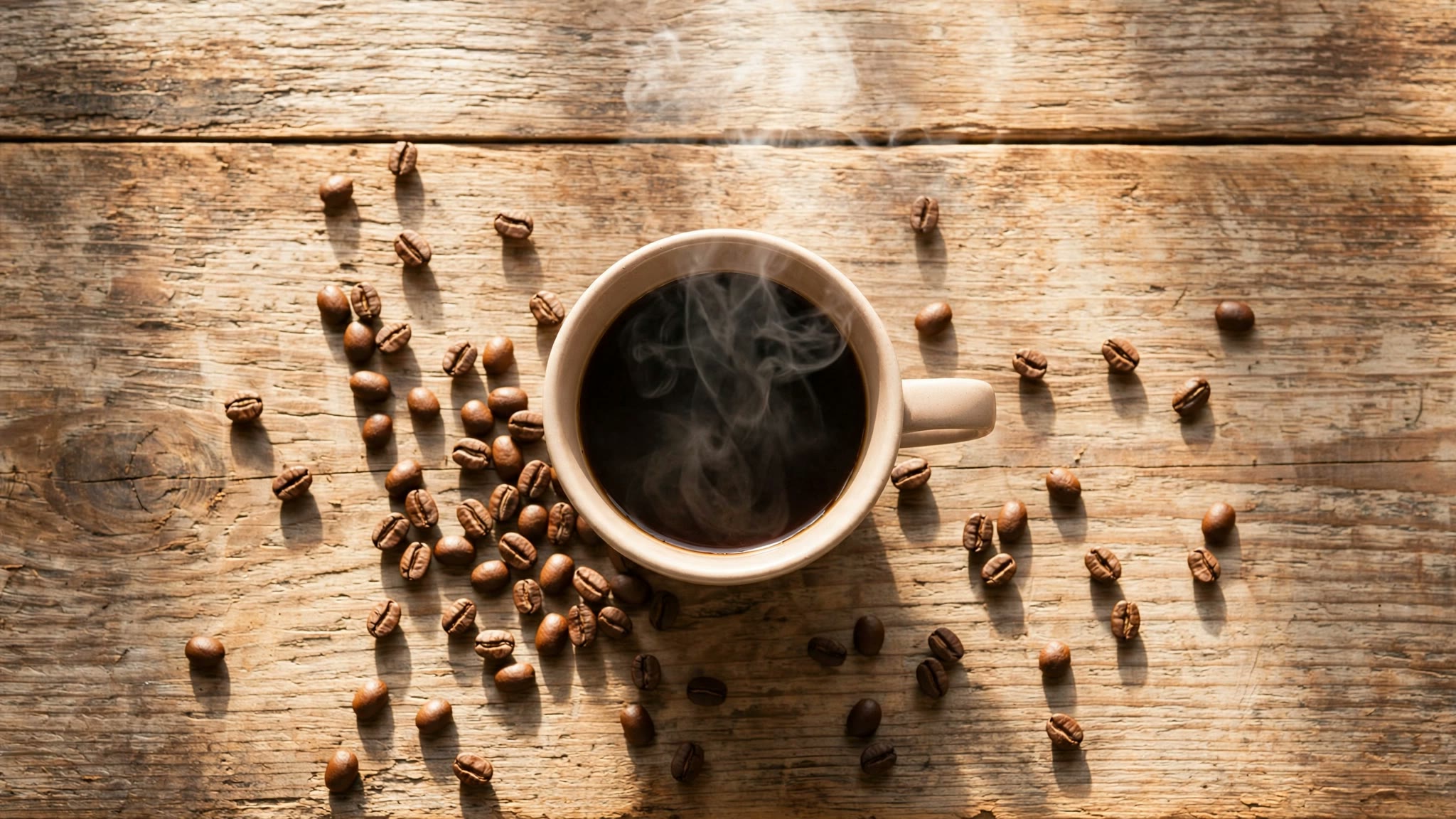
Walk down the coffee aisle or scroll through social media and you will find it: mushroom coffee, promising calmer energy, sharper focus, better sleep, and a healthier gut, all from your morning cup. It sounds too good to be true, and in many cases, it partly is. Mushroom coffee is not magic, and it is not a scam either. It is regular coffee blended with powdered mushroom extracts, and the honest answer lies in between the hype and the skepticism.
Roughly two-thirds of American adults drank coffee yesterday, according to the National Coffee Association, so any product that claims to improve the daily cup gets instant attention. Before you swap your usual brew for a bag that costs three times as much, here is what mushroom coffee actually is, what the research supports, and who should think twice.
What is mushroom coffee, really?
Despite the name, mushroom coffee does not taste like mushrooms. Most blends mix ground or instant coffee with extracts from so-called functional mushrooms, different from the button mushrooms you slice into a salad. The most common are lion's mane, marketed for focus; chaga, for antioxidants; reishi, for calm and sleep; cordyceps, for energy; and turkey tail, for gut health.
The powder is usually an extract, not whole dried mushrooms stirred into coffee, and the dose determines whether the compounds studied in a lab are actually present in your cup in meaningful amounts. Most blends also contain less caffeine than a standard cup: a typical 8-ounce brewed coffee has about 95 milligrams, while many mushroom servings have 50 to 100 milligrams. That lower dose alone explains much of what people feel: fewer jitters, less of an afternoon crash, and easier sleep if you drink it late in the day.
What the science actually says
This is where the marketing gets ahead of the evidence. Mushrooms contain interesting compounds, including beta-glucans and antioxidants, but most of the strongest-sounding studies were done in test tubes or animals, not in large groups of people drinking mushroom coffee for months.
Lion's mane has the most-cited human data: a small trial in older adults with mild cognitive impairment found modest cognitive gains after 16 weeks of supplements, fading after they stopped. That is intriguing, not conclusive, and it does not prove a teaspoon in coffee will sharpen a healthy 35-year-old at work. Chaga is rich in antioxidants in lab tests, with thin human evidence. Reishi has been linked in small, short studies to modest sleep and well-being gains, but it can cause digestive upset and is no substitute for a regular bedtime and less caffeine after noon. Cordyceps showed slight exercise gains in a few small trials, often at doses higher than one coffee serving. Turkey tail research is preliminary and specialized, not a reason to treat a coffee blend as gut medicine.
The fair summary: there are plausible mechanisms and early, small signals, but no mushroom coffee has been proven in large human trials to boost focus, immunity, sleep, or energy in healthy adults. Claims that sound certain, like "clinically proven to melt stress," are marketing language, not settled science.
The caffeine question
For many drinkers, the real benefit of mushroom coffee has nothing to do with mushrooms. It is the caffeine cut.
The U.S. Food and Drug Administration says up to 400 milligrams of caffeine a day is not generally associated with dangerous negative effects for healthy adults, roughly four 8-ounce cups of brewed coffee. But many people feel jittery or wide awake at night well below that ceiling, especially if they drink coffee late. If you swap two strong cups for two lower-caffeine mushroom servings, you may sleep better simply because you cut 100 milligrams or more. That is a real benefit, but you could get the same result with half-caf, a smaller cup, or decaf after noon, for far less money.
The price math
Mushroom coffee typically costs roughly $1 to $2 per serving, versus 25 to 50 cents for home-brewed coffee. Over a month, one cup a day adds $30 to $60 to your grocery bill, versus $10 to $15 for home-brewed. That premium might be worth it if you enjoy the taste and it replaces a $6 coffee-shop habit. It is harder to justify as a health investment, since the same money buys proven wins like fresh produce or a basic gym membership. Buy the smallest bag first: a $40 bag you hate is a pantry regret, not a wellness purchase.
Who should skip it or ask a doctor first
Mushroom extracts are sold as dietary supplements in the United States, so the FDA does not approve them for safety or effectiveness before they reach the shelf. Quality, dose, and purity vary by brand, which is why third-party testing matters.
Check with your doctor or pharmacist first if you take blood thinners, blood pressure medicine, or diabetes medicine, since reishi may affect blood pressure and platelets and chaga may lower blood sugar. Also check first if you have a mushroom allergy, are scheduled for surgery, are pregnant or breastfeeding, have kidney disease or kidney stones, or take immune-suppressing medicine, such as after a transplant. Side effects are usually mild, such as stomach upset or a rash, but stop and seek advice if a new product causes persistent digestive trouble, itching, or swelling.
How to pick a decent one
The label tells you more than the ads. Look for: fruiting body, not just mycelium grown on grain; an extract with a stated amount per serving, not just a "proprietary blend"; third-party testing for heavy metals, pesticides, and microbes; little or no added sugar; and caffeine listed on the label. Skip any product promising to treat or cure disease, protect against specific infections, or replace medicine. Those claims are red flags, and they are not allowed for supplements for a reason.
How to switch without a headache
Do not quit caffeine cold turkey and blame the mushrooms. Withdrawal headaches and fatigue typically peak a day or two after a sharp cut and fade within a week. Replace one regular cup in week one, and a second in week two if you feel fine, while moving your last coffee earlier in the day. Keep the ritual, the same mug and morning pause, since much of coffee's comfort is routine, not chemistry. And count caffeine from tea, soda, energy drinks, and pre-workout too.
The bottom line
Mushroom coffee is coffee with a twist, not medicine in a mug. It may help you drink less caffeine and enjoy a gentler morning lift. It has not been proven to sharpen your brain, supercharge your immune system, or fix your sleep, and at $1 to $2 a serving, it is an expensive way to get benefits you can often get free: less caffeine late in the day, more sleep, and a diet rich in real mushrooms, vegetables, and whole foods. Try it if you like the taste, choose a transparent brand, and keep your expectations modest.
Rao Sajid is the founder and editor of VitalDaily. He covers everyday health topics — nutrition, sleep, fitness and wellness — turning guidance from public-health sources like the CDC, NIH and FDA into plain, practical advice. More about Rao →
📚 Keep reading:

Should You Work Out When You're Sick? The Neck Rule
A stuffy nose does not have to cancel your workout, but a fever should. Learn the neck rule doctors use to decide when to train and when to rest.
Lung Cancer Screening: Who Needs a Low-Dose CT?
A low-dose CT scan can catch lung cancer early, when it is most treatable. Here is who qualifies, what it costs, and what the scan involves.
Why Do People Talk in Their Sleep? Causes and Fixes
Talking in your sleep is common and usually harmless. Here is why it happens, what it means, and when it is worth mentioning to a doctor.