Why Deja Vu Happens (and When to Worry About It)
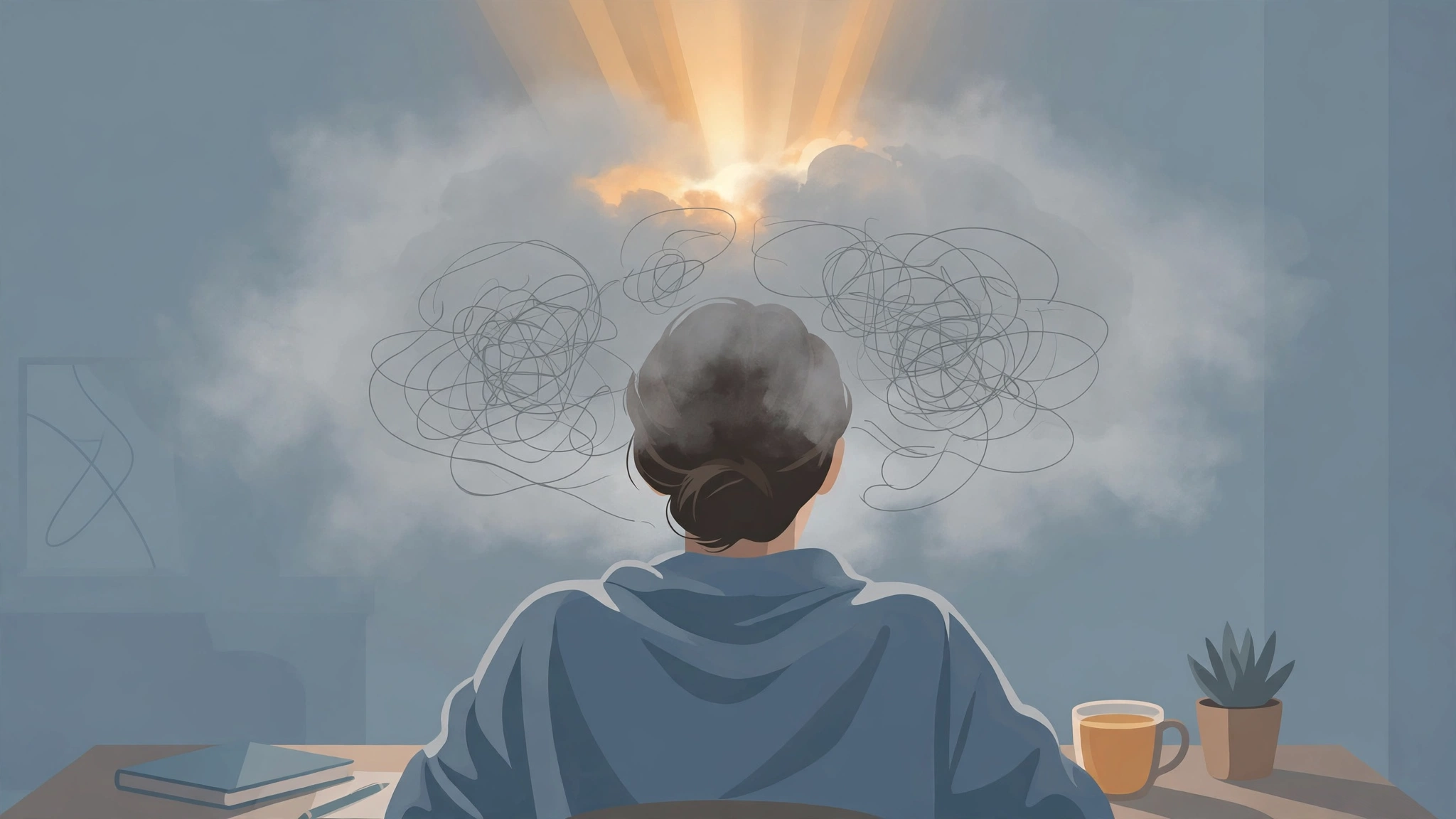
You walk into a restaurant you have never visited, sit down, and suddenly you are certain you have done this exact thing before. The same light through the window, the same song playing, the same words about to leave your friend's mouth. You know it cannot be a real memory, and yet it feels completely real. A few seconds later, the feeling fades, leaving you slightly unsettled.
That is deja vu, French for "already seen." It is one of the most common strange experiences the human brain produces, and one of the most misunderstood. It is not a glitch in reality, and it is not evidence of a past life. It is your memory system briefly disagreeing with itself.
How common is deja vu?
Surveys consistently find that roughly two-thirds of people have experienced deja vu at least once, and many experience it several times a year. It is most common in teenagers and young adults, roughly ages 15 to 25, and it tends to become less frequent as people get older. Frequent travelers report it more often than homebodies, which turns out to be an important clue.
It is also worth knowing what deja vu is not. It is not a memory you forgot. If you genuinely had been to that restaurant before, you would eventually recall something concrete: who you were with, what you ordered, how you got there. Deja vu comes with a powerful feeling of familiarity but no actual memory attached. That mismatch is the whole phenomenon.
What your brain is actually doing
The leading theories all point to the same brain region: the temporal lobe, behind your ears, which processes memories and familiarity.
A memory misfire. Your brain constantly compares what is happening now with stored memories. Sometimes it flags a new scene as familiar by mistake, because it resembles a previous experience closely enough to trip the familiarity signal without triggering a real memory. A hotel lobby with the same layout and lighting as one you stayed in years ago can do it. The feeling is real; the conclusion is wrong.
A split-second timing glitch. If one pathway delivers its signal a fraction of a second late, your brain may process the same moment twice: once as a new experience, and once as something it has already registered. The second pass feels like a memory, because technically it is, just a few milliseconds old. This helps explain why deja vu is so brief, usually 10 to 30 seconds. Once the signals sync back up, the illusion collapses.
The brain catching its own mistake. A newer idea, developed by researchers at the University of St Andrews in Scotland, flips the story. Your brain generates a false feeling of familiarity, then a second system in the frontal lobe checks it against reality and overrules it. That is why you can feel certain you have lived a moment before while simultaneously knowing you have not. In this reading, deja vu is evidence that your memory-checking machinery is working properly, not that it is broken.
Why tiredness, stress, and travel trigger it
Deja vu does not strike randomly. People report it more often when they are tired, stressed, or in a new place.
Fatigue disrupts the precise timing your brain needs to process and file memories, making misfires more likely. College students pulling late nights and new parents running on broken sleep are classic deja vu reporters. Stress hormones affect the temporal lobe and memory circuits, and anxiety heightens your brain's pattern-matching, making it quicker to flag things as familiar.
Travel floods your brain with novel scenes that share features with places you have been before, like chain restaurants and airport terminals. More partial matches mean more false alarms.
Deja vu also has a lesser-known twin, jamais vu, French for "never seen": the unsettling feeling that something deeply familiar suddenly seems strange. It works on the same principle in reverse, and it is also usually harmless and brief.
When deja vu is a reason to see a doctor
For most people, deja vu is a curiosity, not a medical problem. But there is one important exception: deja vu can sometimes be a symptom of temporal lobe epilepsy, a type of focal seizure that starts in the same brain region involved in memory.
In this context, deja vu acts as an aura, a warning that a seizure may be starting. The Epilepsy Foundation notes that focal seizures can begin with intense deja vu, sometimes accompanied by strange smells or tastes, a rising feeling in the stomach, or sudden fear.
See a doctor promptly if your deja vu:
- Happens several times a month or more, especially if it is increasing in frequency
- Lasts longer than a minute, or comes with confusion or a loss of awareness
- Is followed by unusual behavior you cannot remember, like lip-smacking, fumbling, or staring blankly
- Comes with a strange smell or taste, tingling, or a feeling of dread
- Started suddenly in adulthood after never happening before, especially alongside headaches or memory problems
A neurologist can sort this out, often with an EEG or brain imaging. Most people who seek evaluation turn out not to have epilepsy, but the check matters, because temporal lobe seizures are treatable, and untreated seizures can affect driving safety and daily life.
The red flags are frequency, duration, and accompanying symptoms. One strange moment in a new city is normal. The same intense feeling three times a week is a conversation with your doctor.
Can you stop deja vu from happening?
There is no proven way to prevent occasional deja vu, and no reason to try. It is brief, harmless, and often fascinating once you understand it. But since tiredness and stress make it more likely, the usual brain-health basics help at the margins.
Adults need 7 to 9 hours of sleep a night, according to the CDC, and consistent sleep timing matters as much as total hours. A well-rested brain files memories more accurately. Regular exercise and simple breathing routines reduce the background stress load that makes your brain jumpier about familiarity.
Do not read too much into a single episode. Deja vu has attracted mystical explanations for centuries, from reincarnation to precognition, but no credible evidence supports them. The remarkable thing is that your brain can detect its own errors and tell you, in real time, that something does not add up.
The Bottom Line
Deja vu is your memory system briefly misfiring, or brilliantly catching its own mistake, depending on which theory you prefer. It happens to most people, peaks in young adulthood, and shows up more when you are tired, stressed, or somewhere new.
But if it becomes frequent, long-lasting, or comes with confusion, strange smells, or gaps in awareness, get it checked. That version deserves a doctor's attention.
Rao Sajid is the founder and editor of VitalDaily. He covers everyday health topics — nutrition, sleep, fitness and wellness — turning guidance from public-health sources like the CDC, NIH and FDA into plain, practical advice. More about Rao →
📚 Keep reading:

Why Cold Drinks Hurt Your Teeth (and How to Fix It)
A sip of ice water sends a sharp zing through your tooth, then it is gone. Here is why cold hurts sensitive teeth, and what actually helps.

Why Your Nose Runs in Cold Weather (and How to Stop It)
Step outside on a cold morning and your nose starts dripping within minutes. Here is why cold air triggers a runny nose, and what actually helps.

Why Your Foot Falls Asleep (and When to Worry)
Your foot falls asleep, then wakes up with pins and needles. Here is why it happens, how to shake it off fast, and when it needs a doctor.