Why You Faint: Causes and When to Call 911
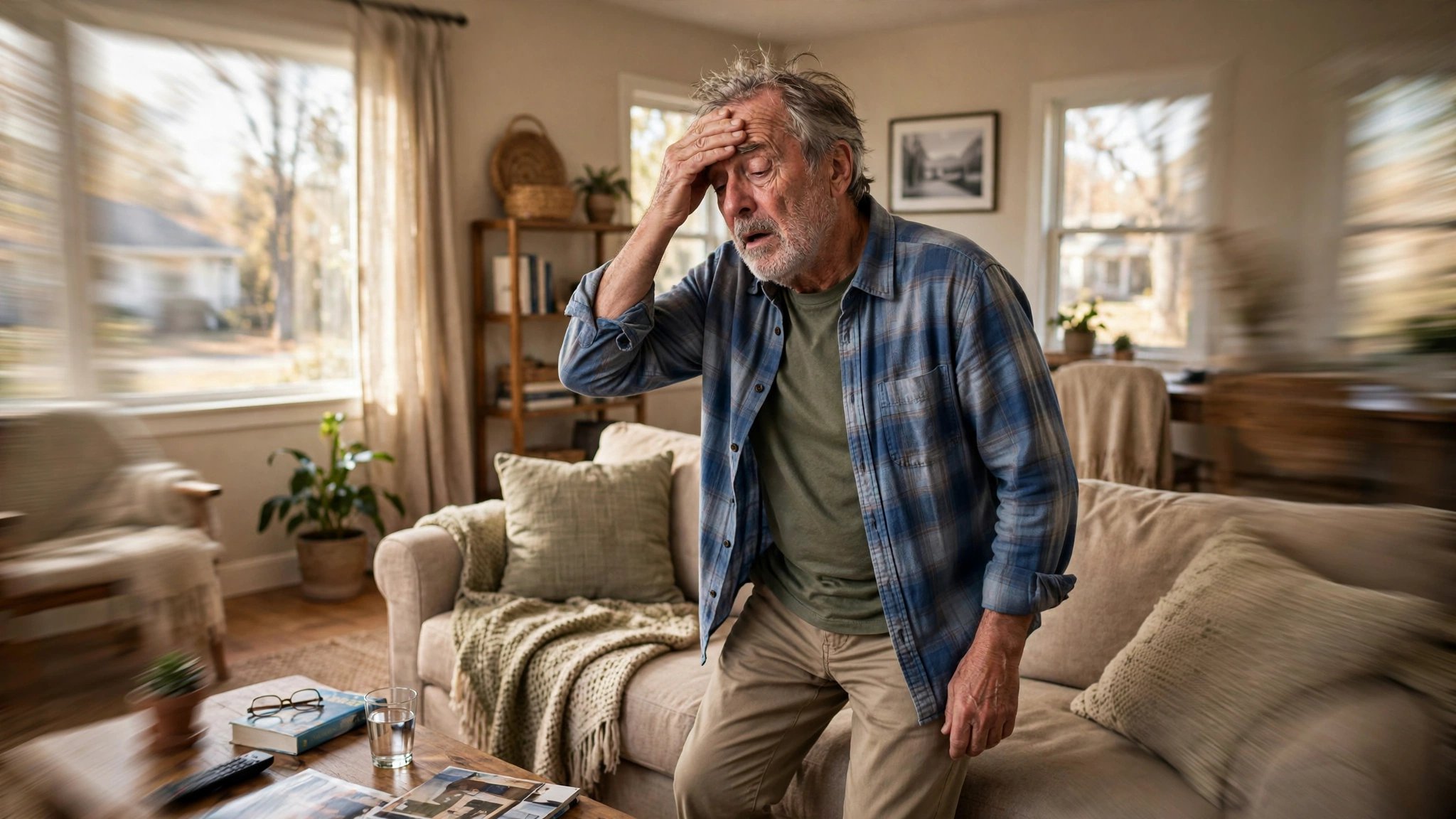
One moment you are standing in line at the store or getting up from the couch. The next, the room narrows, your ears ring, and the floor comes up to meet you. Then you wake up on the ground, confused, with strangers asking if you are okay.
Fainting is frightening, for the person who faints and for everyone watching. Most fainting spells are not dangerous. The important part is knowing which ones are, because a small number point to a heart problem or another condition that needs urgent care. About one in three Americans will faint at least once, and most of those episodes have a simple, explainable cause.
What actually happens when you faint
Doctors call fainting syncope (pronounced SIN-ko-pee). It happens when blood flow to the brain drops briefly. Cut the brain's oxygen supply for even a few seconds and it essentially switches you off to protect itself. You fall, which is not an accident: lying flat lets blood flow back to the brain, which is why most people come around within a minute or so.
That short recovery is itself a clue: a faint lasting only seconds to a minute, with a fairly quick return to normal, fits the classic pattern. Longer unconsciousness or lingering confusion points toward something else, such as a seizure, and deserves prompt evaluation.
The most common cause: the vasovagal reflex
The leading cause of fainting is vasovagal syncope, a reflex in which the nervous system overreacts to a trigger, briefly slowing the heart and widening blood vessels. Blood pressure falls, blood pools in the legs, and the brain gets less than it needs.
Common triggers include standing for a long time, especially in heat or a crowd; sudden pain, fear, or the sight of blood; dehydration; and skipping meals. Teenagers and young adults faint this way most, often at school assemblies, blood drives, or hot summer events.
Vasovagal fainting often announces itself, with lightheadedness, nausea, sweating, tunnel vision, ringing in the ears, or sudden warmth. If you notice those signs, you have seconds to act: sit or lie down immediately, and if you can, raise your legs about 12 inches. Getting low before you fall is the single best way to prevent an injury.
Other common causes
Standing up too fast
Orthostatic hypotension is a sudden drop in blood pressure when you stand. Blood pools in your legs, and the body is slow to compensate. It is more common in older adults, in people who are dehydrated, and in people taking blood pressure medication or diuretics.
Dehydration and low blood sugar
A hot day, a stomach bug, a long workout without fluids, or a missed meal can each lower blood volume or blood sugar enough to tip a vulnerable person over the edge. Fainting is more common in summer for exactly this reason. The CDC recommends drinking water throughout the day rather than waiting until you feel thirsty, and drinking more during heat or exercise.
Heart problems
This is the category doctors take most seriously. An abnormally slow or fast heart rhythm, a narrowed heart valve, or a weakened heart muscle can all reduce blood flow to the brain without warning. Cardiac fainting often has no warning signs at all, just a sudden collapse, and it is more likely during exercise. Anyone who faints during exertion should be evaluated promptly, even if they feel fine afterward.
Medications and alcohol
Some prescriptions lower blood pressure or slow the heart, and alcohol dilates blood vessels and promotes dehydration. Combining the two on an empty stomach is a classic setup for a faint. If a new medication leaves you lightheaded, tell the prescribing doctor rather than stopping it on your own.
When to call 911
Call 911 right away if fainting comes with any of the following:
- Chest pain, pressure, or a racing or very slow heartbeat
- Fainting during exercise or physical exertion
- No warning signs before the collapse
- A fall that caused a head injury, or bleeding that will not stop
- Unconsciousness lasting more than a minute, or confusion that does not clear quickly
- Shortness of breath, or lips that look blue
- A seizure, or jerking movements while unconscious
- Fainting in someone who is pregnant, or in a person with known heart disease
If someone faints near you, lay them on their back and raise their legs about 12 inches, unless you suspect a head, neck, or back injury, in which case keep them still and call for help. Do not put anything in their mouth, and do not give food or water until they are fully awake. If they do not regain consciousness within a minute, call 911 and start CPR if they are not breathing normally.
After a faint, tell your doctor
Even if you feel fine afterward, mention it to your doctor, especially if you are over 50, have heart disease, or have fainted more than once. Checking blood pressure lying down and standing up, plus an ECG, can rule out a heart cause.
How to reduce your risk
Most fainting is preventable once you know your triggers:
1. Stay hydrated, especially in heat
Drink steadily through the day, and more on hot days or during exercise. A salty snack can help after heavy sweating, but people with high blood pressure or heart failure should check with their doctor before adding salt.
2. Eat regularly
Skipping meals lowers blood sugar and makes fainting more likely, particularly combined with heat or standing. If you are prone to fainting at blood draws, eat beforehand and tell the staff; they can have you lie down for the procedure.
3. Rise slowly
Move in stages: sit up, dangle your legs, then stand. Flex your calves, or cross your legs and tense them, when you feel lightheaded while standing. This applied-tension technique can push blood back upward and buy you time to sit down.
4. Avoid standing still in heat
If you must stand in line on a hot day, shift your weight and flex your calves. Step out of the crowd if you feel warm, nauseated, or lightheaded. Do not try to tough it out: sitting down early prevents the fall.
5. Review your medications
Bring a full list of prescriptions and supplements to your doctor or pharmacist and ask whether any lower blood pressure. Never stop a heart or blood pressure drug abruptly, but do ask whether the dose or timing could be adjusted.
The bottom line
Fainting is common, usually brief, and most often caused by a harmless reflex, dehydration, or standing up too fast. It becomes an emergency when it strikes without warning, during exercise, with chest pain, or in someone with heart disease. If that describes your episode, call 911 rather than waiting for it to happen again.
And if you feel the warning signs coming on, do not be embarrassed about sitting down on the floor of the store. Lying down early is the best way to make sure a faint stays a story you laugh about later instead of an injury you regret.
Rao Sajid is the founder and editor of VitalDaily. He covers everyday health topics — nutrition, sleep, fitness and wellness — turning guidance from public-health sources like the CDC, NIH and FDA into plain, practical advice. More about Rao →
📚 Keep reading:

Why You Crash After Lunch (and How to Beat It)
That 2 p.m. fog is not laziness. It is your circadian rhythm, your lunch, and your blood sugar colliding. Here is how to beat the afternoon slump.

Why You Get Butterflies in Your Stomach
That flutter before a big moment is not in your head. It is in your gut. Here is the real science behind butterflies, and how to calm them fast.
Why Cold Drinks Hurt Your Teeth (and How to Fix It)
A sip of ice water sends a sharp zing through your tooth, then it is gone. Here is why cold hurts sensitive teeth, and what actually helps.