Why You Get Sick Right After Stress Ends
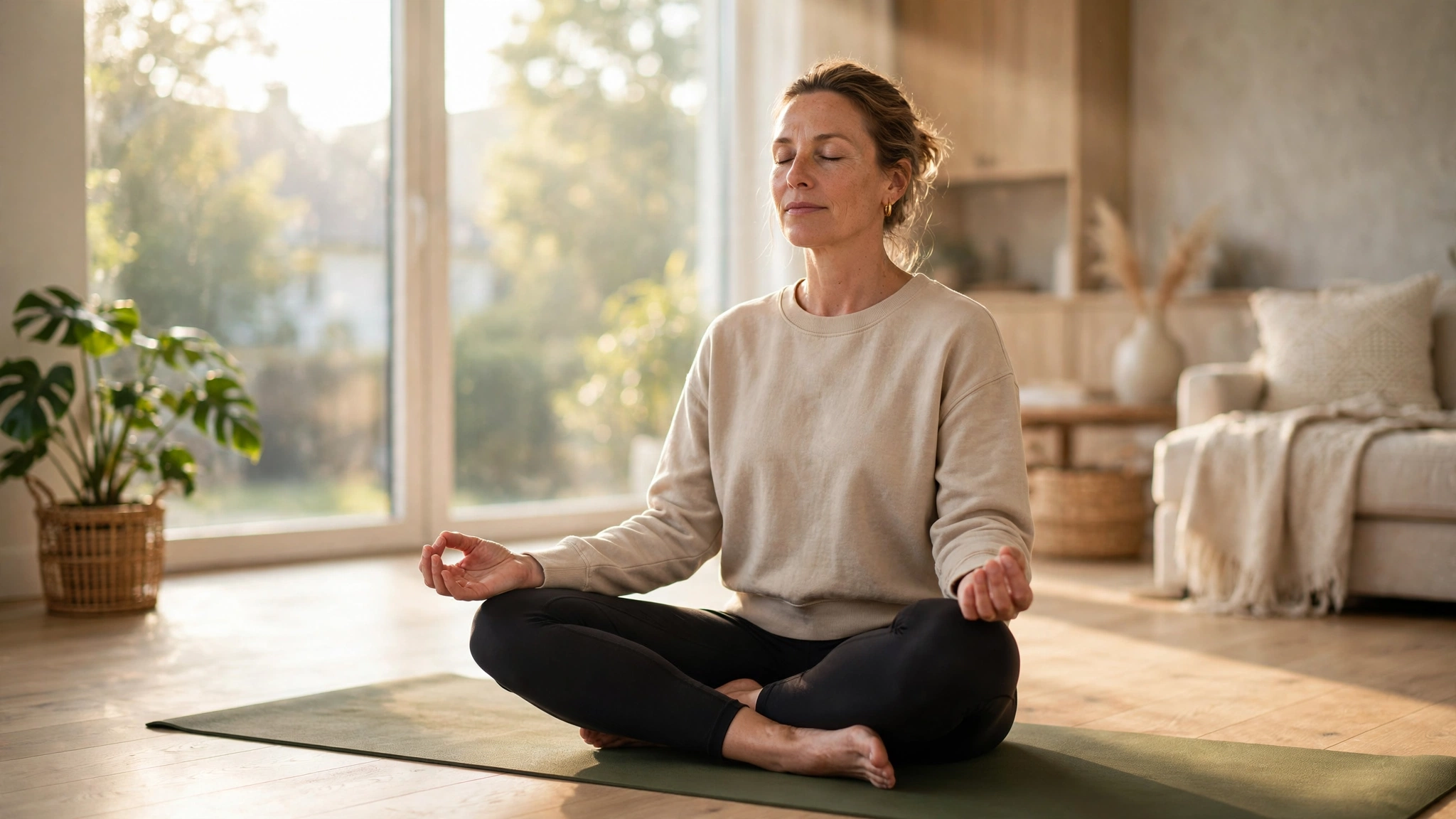
You pushed through the worst of it. The big project shipped, the finals are over, and you finally exhale. Then, right on schedule, your throat starts to scratch, your nose runs, and you spend your first free weekend in bed.
It feels unfair, and it is so common it has a name: the let-down effect. Getting sick the moment stress lifts is not bad luck. It is your immune system shifting gears, and understanding that shift is the first step to dodging the crash.
What happens to your body under stress
When you are under pressure, your body releases stress hormones, chiefly cortisol and adrenaline. In short bursts, these hormones are useful. They sharpen focus, raise blood sugar for quick energy, and temporarily suppress inflammation so you can keep going. That is why many people feel oddly wired and functional during a crisis, even on little sleep.
The trouble starts when stress drags on for weeks. Chronically high cortisol dampens parts of the immune response, particularly the cells that fight off viruses. Classic research from Carnegie Mellon University found that people under prolonged psychological stress were significantly more likely to develop a cold when exposed to a cold virus than people under less stress. Your defenses are not gone, but they are distracted.
Meanwhile, stress quietly erodes the habits that protect you. You sleep less, eat on the run, skip workouts, and drink more coffee and alcohol. Each one alone is minor. Together, over weeks, they leave you exposed.
Why illness waits until the pressure lifts
Here is the part that surprises most people: cortisol does not just weaken immunity, it also masks symptoms. While stress hormones run high, inflammation is held in check, so a brewing infection may not announce itself. You feel fine, or at least functional, because your body is postponing the fight.
When the stress ends, cortisol levels fall. The immune system, freed from suppression, finally mounts a full response, and that response is what you feel as symptoms. The sore throat, congestion, fatigue, and fever are largely your immune system fighting back, loudly, all at once.
The same pattern shows up beyond colds. Researchers studying migraines have documented "let-down" headaches that strike on weekends or the first day of vacation, after a stressful week ends. People with asthma or eczema often flare after a stressful period, not during it. The trigger is not the stress itself, but the sudden change. And because most colds take one to three days from exposure to symptoms, an illness that appears the day after a deadline was probably picked up during the stressful period, when defenses were low.
Who is most likely to crash
Anyone can catch a post-stress cold, but a few groups are especially prone:
Students and workers after a crunch. Finals week, tax season, product launches, and year-end reporting all create the same arc: weeks of short sleep, then a sudden stop.
Caregivers. Caring for a sick relative or a newborn means sustained stress plus constant germ exposure. Illness often arrives the week help finally shows up.
Holiday hosts and travelers. The CDC notes that American adults average two to three colds a year, and winter is peak season. Add holiday travel, crowded airports, and late nights, and early January becomes prime let-down territory.
People who "push through" illness. If you felt a cold coming on during the stressful period and powered through with decongestants and caffeine, do not be surprised if it returns with interest once you rest.
How to soften the landing
You cannot eliminate stress, but you can avoid the cliff-edge drop that seems to trigger the crash. The goal is to taper, not collapse.
Do not go from 100 to zero overnight
The worst pattern is working 14-hour days and then spending the first free day doing nothing but binge-watching in a dark room. Keep a light structure for two or three days after a stressful period: a morning walk, regular meals, and a normal bedtime.
Catch up on sleep gradually, not all at once
Sleep debt is real, but sleeping 12 hours after weeks of six-hour nights can leave you groggy and disrupt your rhythm further. Add 30 to 60 minutes a night over several days instead, and keep wake-up times consistent. Adults generally need seven to nine hours.
Keep moving, but ease off the intensity
Moderate exercise supports immunity, but a punishing workout right after an exhausting period can add stress rather than relieve it. Walking, gentle cycling, stretching, or a light jog for 20 to 30 minutes beats a two-hour gym session in your first recovery days. If you are already sniffling, follow the neck rule: symptoms above the neck, like a runny nose, usually allow light activity; symptoms below the neck, like chest congestion or fever, mean rest.
Eat like you mean it again
Stress eating tends toward sugar, caffeine, and takeout. In recovery, return to the basics: fruits, vegetables, whole grains, and lean protein. No single food prevents a cold, and despite its reputation, regular vitamin C supplements do not prevent colds for most people, though they may shorten one slightly.
Wash your hands and respect the exposure window
Because exposure often happens during the stressful period, hygiene during that period matters most. Wash hands for at least 20 seconds, avoid touching your face, and keep your distance from people who are visibly ill when you can.
Skip the celebratory binge
It is tempting to mark the end of a hard period with a night of heavy drinking. Alcohol disrupts sleep, dehydrates you, and suppresses immune function, which is exactly the wrong combination when your defenses are recalibrating. Even a single heavy night can cost you a day of recovery.
Build in a buffer day
If you can, schedule one low-demand day between the end of a stressful period and your next big commitment. Use it for sleep, a walk, and a real meal, not for a second marathon of errands.
When a post-stress illness needs a doctor
Most let-down colds clear within seven to ten days. Get medical advice sooner if you have a fever above 103 degrees Fahrenheit, trouble breathing, chest pain, a stiff neck, symptoms that improve then worsen sharply, or a cold that lasts longer than ten days without improvement. Those patterns can signal flu, pneumonia, or a bacterial infection rather than an ordinary cold.
Also talk to your doctor if you notice a pattern: every major deadline followed by illness, or flares of asthma, migraines, or skin conditions every time stress ends.
The bottom line
Getting sick after stress ends is not a sign that your body failed you. It is a sign that it held the line while you needed it to, then finally fought back once it could. The fix is not to avoid rest, it is to make rest gradual: taper your schedule, protect your sleep, move gently, and give your immune system a few days to catch up.
This article is for general information only and is not medical advice. Talk to your doctor if you have concerns about stress, immunity, or recurring illness.
Rao Sajid is the founder and editor of VitalDaily. He covers everyday health topics — nutrition, sleep, fitness and wellness — turning guidance from public-health sources like the CDC, NIH and FDA into plain, practical advice. More about Rao →
📚 Keep reading:
Your Blood Test Results, Explained in Plain English
Lab reports are full of flags and abbreviations. What your CBC, cholesterol, A1C, and kidney numbers actually mean, and when to call your doctor.
Pneumonia Vaccine: Why Adults 50 and Over Need It Now
The CDC lowered the pneumonia vaccine age to 50 in 2024. Who needs the shot, which version to get, what it costs, and why this winter is the time to get it.
Neti Pots: How to Rinse Your Sinuses Safely
A neti pot can clear congestion without drugs, but only if the water is safe. How to rinse correctly, which water to use, and the mistakes to avoid.