Daily Aspirin for Your Heart: Who Should Take It?
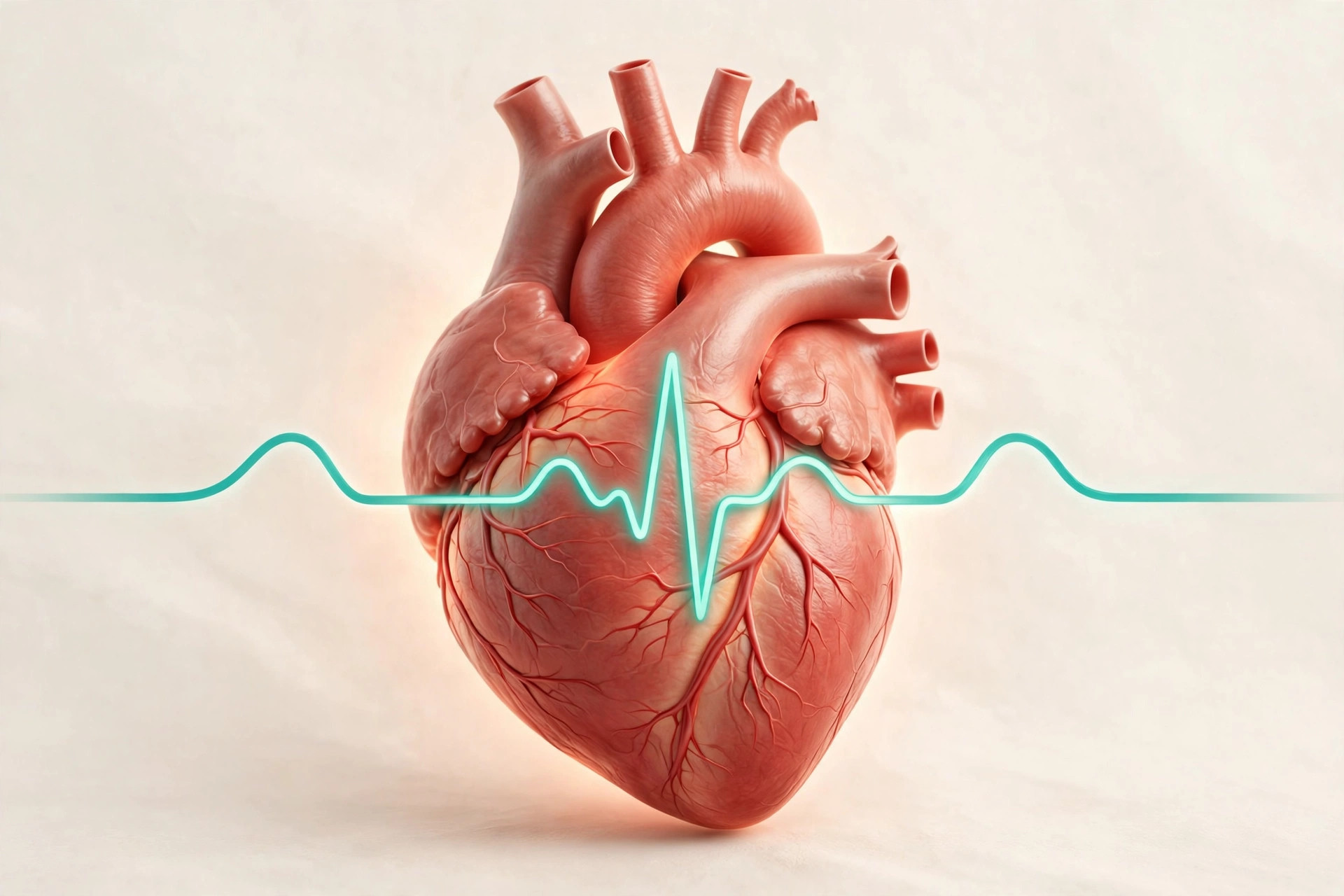
For decades, a daily baby aspirin was one of America's most common health rituals. Millions of healthy adults over 50 swallowed one each morning believing it was cheap insurance against a heart attack.
Then the guidance changed — and many people never got the memo.
In 2022, the U.S. Preventive Services Task Force (USPSTF) reversed course: it now recommends against starting low-dose aspirin for prevention in adults 60 and older, and says the decision for adults 40 to 59 at higher cardiovascular risk should be an individual one, made with a doctor. The reason was not that aspirin stopped working. It was that newer evidence showed the bleeding risk often cancels out the benefit in people who have never had a heart attack or stroke.
How aspirin protects the heart
A heart attack usually starts with a blood clot. When plaque inside a coronary artery ruptures, platelets rush in and clump together, blocking blood flow to the heart muscle. A stroke can happen the same way in the brain.
Aspirin interferes with that process. It permanently disables an enzyme platelets need to stick together, making clots less likely to form. A standard low dose is 81 milligrams — "baby aspirin."
That anti-clotting effect is real, and it is why aspirin remains a cornerstone of treatment after a heart attack or stroke. The question is only whether it helps people who have never had one.
Primary vs. secondary prevention: the distinction that matters
Doctors draw a sharp line here, and it explains most of the confusion.
Secondary prevention means preventing a second event in someone who has already had a heart attack, stroke, stent, or bypass surgery. For these patients, the benefit is well established, and stopping without medical advice can be dangerous. If this is you, do not stop on your own.
Primary prevention means trying to prevent a first event in someone with no history of heart disease. This is where the guidance changed. In primary prevention, the absolute benefit is much smaller, because the chance of a first heart attack in any given year is relatively low — while the bleeding risk is present every single day.
What the current guidelines actually say
The USPSTF recommendations for adults without known cardiovascular disease are:
- Age 40 to 59 with a 10 percent or greater 10-year cardiovascular risk: the decision to start low-dose aspirin "should be an individual one" — it may help some people in this group, but only after weighing personal risk factors with a clinician.
- Age 60 and older: do not start low-dose aspirin for primary prevention; the task force concluded the harms outweigh the benefits.
- Before 40 or after 75: the task force found insufficient evidence for starting aspirin for primary prevention and makes no recommendation.
The American Heart Association and the American College of Cardiology issued similar guidance in 2019, advising against routine aspirin for primary prevention in adults over 70 and in people at increased bleeding risk. These are recommendations about starting aspirin, not an instruction for everyone already taking it to quit — that decision needs a conversation with your own doctor.
The bleeding risk, explained honestly
Aspirin's downside is the flip side of its benefit: blood that clots less easily also bleeds more easily. The main risks are:
- Stomach and intestinal bleeding. Aspirin irritates the stomach lining and blocks its protective chemicals. Bleeding can be slow and silent, showing up as black stools or anemia, or sudden and serious.
- Bleeding in the brain. Rare, but the most feared complication, and the risk rises with age.
- Bruising and prolonged bleeding from minor cuts or dental work.
The risk climbs with age, with higher doses, and with certain combinations: ibuprofen or naproxen, steroids, blood thinners, or heavy alcohol use all raise the danger. People with a history of ulcers or stomach bleeding face higher risk too.
Large trials published in 2018, including the ASPREE trial in healthy adults over 70, found that daily aspirin did not extend disability-free life in that group and did increase major bleeding. That evidence was a major driver of the guideline reversal.
Who might still benefit from starting it?
Aspirin for primary prevention is not dead — it is just narrower. A doctor might consider it for someone aged 40 to 59 who has several risk factors and a low bleeding risk, for example:
- High blood pressure that is not fully controlled
- High LDL cholesterol
- Diabetes
- A strong family history of early heart disease
- Smoking
- A calculated 10-year cardiovascular risk of 10 percent or more
Even then, it is a shared decision, not a default. Your doctor will estimate your risk using a calculator that factors in age, sex, cholesterol, blood pressure, smoking, and diabetes, then weigh it against your bleeding risk.
Aspirin is also no substitute for the measures with far larger proven benefits: quitting smoking, controlling blood pressure and cholesterol, staying active, and eating a heart-healthy diet.
If you already take a daily aspirin, what should you do?
Do not stop abruptly if you have established heart disease: for secondary prevention, stopping can raise clot risk in the weeks that follow.
If you started aspirin on your own, or years ago when the advice was different, and you have never had a heart attack or stroke, bring it up at your next appointment. Ask your doctor three questions:
- Am I taking this for primary or secondary prevention?
- What is my current 10-year cardiovascular risk?
- Given my bleeding risk, does the benefit still outweigh the harm?
If your doctor advises stopping, follow their plan, not an internet article — including this one.
Signs to seek care promptly
Seek urgent care if you take aspirin and notice black or bloody stools, vomit that looks like coffee grounds, unusual bruising, blood in your urine, or a severe headache unlike any you have had before. These can signal bleeding.
Also tell every clinician and dentist you see that you take aspirin, especially before surgery. And never combine it with ibuprofen or naproxen without asking a pharmacist or doctor first: ibuprofen taken at the wrong time can block aspirin's protective effect, while the combination raises stomach bleeding risk.
The bottom line
Daily aspirin went from universal advice to a personalized decision — and that is progress. A drug powerful enough to prevent clots is also powerful enough to cause bleeding, and the balance tips differently at different ages and risk levels.
If you have had a heart attack or stroke, aspirin is likely still part of your protection — keep taking it unless your doctor says otherwise. If you have never had one, especially if you are 60 or older, the current evidence says the daily tablet probably is not helping you. Either way, the right next step is the same: a conversation with the doctor who knows your heart.
This article is for informational purposes only and is not a substitute for professional medical advice, diagnosis, or treatment. Always seek the advice of your physician or another qualified health provider with any questions about a medication you take.
Rao Sajid is the founder and editor of VitalDaily. He covers everyday health topics — nutrition, sleep, fitness and wellness — turning guidance from public-health sources like the CDC, NIH and FDA into plain, practical advice. More about Rao →
📚 Keep reading:

Why You Get Sick Right After Stress Ends
You survived the deadline, then caught a cold. The let-down effect is real: why illness strikes after stress ends, and how to protect yourself.
Your Blood Test Results, Explained in Plain English
Lab reports are full of flags and abbreviations. What your CBC, cholesterol, A1C, and kidney numbers actually mean, and when to call your doctor.

Pneumonia Vaccine: Why Adults 50 and Over Need It Now
The CDC lowered the pneumonia vaccine age to 50 in 2024. Who needs the shot, which version to get, what it costs, and why this winter is the time to get it.