Heart Attack Symptoms in Women: The Signs Most Miss
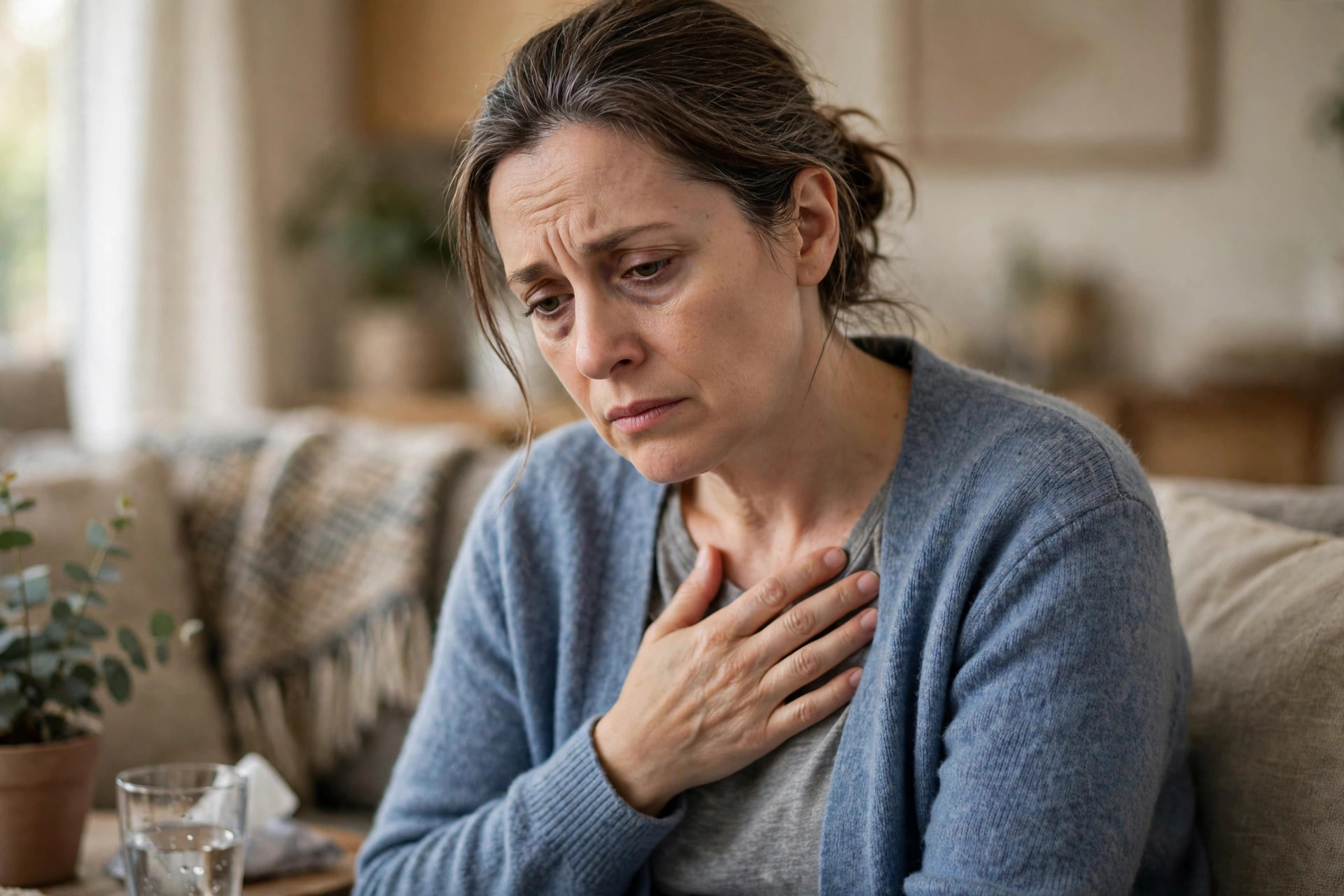
Picture a heart attack, and most Americans picture the same scene: a man clutching his chest, collapsing to the floor. That image is part of the reason women die from heart attacks at higher rates than men do. In real life, a woman's heart attack often looks nothing like the movie version, and the symptoms are easy to dismiss as stress, the flu, or just a bad day.
Heart disease is the leading cause of death for women in the United States, claiming roughly 1 in every 5 female deaths, according to the Centers for Disease Control and Prevention. Yet surveys from the American Heart Association have repeatedly found that many women do not know heart disease is their number one health threat. That knowledge gap costs lives, because getting to an emergency room fast is the single biggest factor in surviving a heart attack.
Why women's symptoms are different
A heart attack happens when blood flow to part of the heart muscle is blocked, usually by a clot forming on a ruptured plaque in a coronary artery. The classic symptom, chest pain or pressure, does occur in most women. But women are significantly more likely than men to experience additional symptoms, or to have those symptoms without crushing chest pain at all.
Research published in the journal Circulation found that women having a heart attack were more likely than men to report unusual fatigue, shortness of breath, nausea, and pain in the back, neck, or jaw. Another reason women's symptoms get missed: women tend to develop heart disease about 10 years later than men on average, often after menopause, when estrogen's protective effect fades. By then, other conditions like diabetes, high blood pressure, and arthritis can muddy the picture.
There is also a dangerous delay problem. Studies show women wait longer than men before calling for help, partly because they do not recognize their symptoms. Doctors, too, have historically been slower to recognize heart attacks in women. Knowing the full range of symptoms is the best defense.
The warning signs to know
1. Chest discomfort that is not dramatic
It may not feel like a Hollywood heart attack. Women often describe pressure, squeezing, fullness, or a dull ache in the center of the chest that lasts more than a few minutes, or that comes and goes. It can feel like bad indigestion or a heavy weight sitting on your chest. Any chest discomfort that is new, unexplained, or paired with other symptoms below deserves emergency evaluation, even if it feels mild.
2. Pain that spreads beyond the chest
Pain or discomfort in one or both arms, the back, neck, jaw, or stomach is a classic female heart attack pattern. Jaw pain in particular is a red flag that many women mistake for a dental problem. Back pain between the shoulder blades, sometimes described as a burning or aching sensation, is another commonly missed sign.
3. Sudden, unusual fatigue
This is one of the most distinctive early warnings in women. It is not ordinary tiredness after a long day. Women who have survived heart attacks often describe feeling drained for days before the event, exhausted by simple tasks like making the bed or walking to the mailbox. If you suddenly feel wiped out for no clear reason, pay attention.
4. Shortness of breath
Feeling winded while resting, or struggling to catch your breath during light activity, can signal that the heart is not pumping effectively. It may occur with or without chest discomfort, and it is sometimes the only symptom. If you cannot take a full breath and do not have a respiratory illness to explain it, treat it seriously.
5. Nausea, vomiting, or cold sweats
Breaking out in a cold sweat, feeling lightheaded, or suddenly feeling nauseated can all be heart attack symptoms in women. Because these overlap with stomach bugs and anxiety, they are easy to brush off. The key is context: nausea or sweating that arrives suddenly, especially alongside chest discomfort, fatigue, or breathlessness, is an emergency until proven otherwise.
6. Lightheadedness or dizziness
Feeling faint, dizzy, or suddenly unsteady can occur when blood pressure drops during a heart attack. Do not try to drive yourself anywhere if you feel this way.
What to do if you suspect a heart attack
Do not wait to see if it passes. Call 911 immediately. Emergency medical services can begin treatment in the ambulance, and hospitals can open a blocked artery fastest when patients arrive by ambulance rather than by private car. Do not drive yourself.
While you wait, sit or lie down and try to stay calm. Unlock your front door if you can. If you have been prescribed nitroglycerin, take it as directed. Do not take aspirin unless a 911 dispatcher or doctor tells you to, since aspirin can be harmful in some emergencies, such as a bleeding stroke that mimics heart attack symptoms.
Time matters enormously. The American Heart Association notes that for the most serious type of heart attack, opening the blocked artery within 90 minutes of hospital arrival dramatically improves survival and limits permanent heart damage. Every minute of delay means more heart muscle lost.
Lowering your risk starting today
Most heart disease in women is preventable. Women face some unique risk factors worth knowing: pregnancy complications like preeclampsia and gestational diabetes raise later heart risk, as do autoimmune conditions such as lupus, which are more common in women.
Practical steps that make a real difference:
- Know your numbers. Get your blood pressure, cholesterol, and blood sugar checked regularly. High blood pressure often has no symptoms, and the CDC estimates nearly half of American adults have it.
- Move daily. Aim for at least 150 minutes of moderate activity per week, such as brisk walking. Even short walks count.
- Eat for your heart. Emphasize vegetables, whole grains, beans, fish, and olive oil, and limit processed meats, sugary drinks, and excess sodium.
- Quit smoking. Smoking roughly doubles heart attack risk, and women who smoke face a higher relative risk than men who smoke. Quitting starts lowering risk within weeks.
- Manage stress and sleep. Chronic stress and poor sleep both raise heart risk. Aim for 7 to 9 hours of sleep, and treat sleep apnea if you snore heavily or wake up exhausted.
- Ask about your risk. If heart disease runs in your family, or you had pregnancy complications, tell your doctor. Risk calculators may underestimate women's risk, so a conversation matters.
The bottom line
A woman's heart attack does not have to announce itself with dramatic chest pain. It can arrive as jaw pain, exhaustion, nausea, or breathlessness, and it can be mistaken for almost anything else. That is exactly why it is so dangerous, and why knowing these signs matters.
If something feels suddenly wrong, trust that instinct and call 911. Share this article with the women in your life. The symptom you recognize in someone else could be the one that saves her life.
This article is for general information only and is not medical advice. If you are experiencing symptoms of a heart attack, call 911 immediately.
Rao Sajid is the founder and editor of VitalDaily. He covers everyday health topics — nutrition, sleep, fitness and wellness — turning guidance from public-health sources like the CDC, NIH and FDA into plain, practical advice. More about Rao →
📚 Keep reading:

Epsom Salt Baths: Do They Really Work?
Epsom salt baths promise relief for sore muscles, stress, and poor sleep. Here is what science says about magnesium, and how to soak safely.

Why You Wake Up With a Sore Throat in Winter
Waking up with a scratchy throat each winter morning is usually dry indoor air or mouth breathing, not a cold. Here is how to tell and fix it.

Why You Keep Getting Styes (and How to Stop Them)
A stye is a painful red bump on your eyelid caused by a blocked, infected oil gland. Here is why they keep coming back and what actually clears them up.