Heart Palpitations: When Skipped Beats Are Dangerous
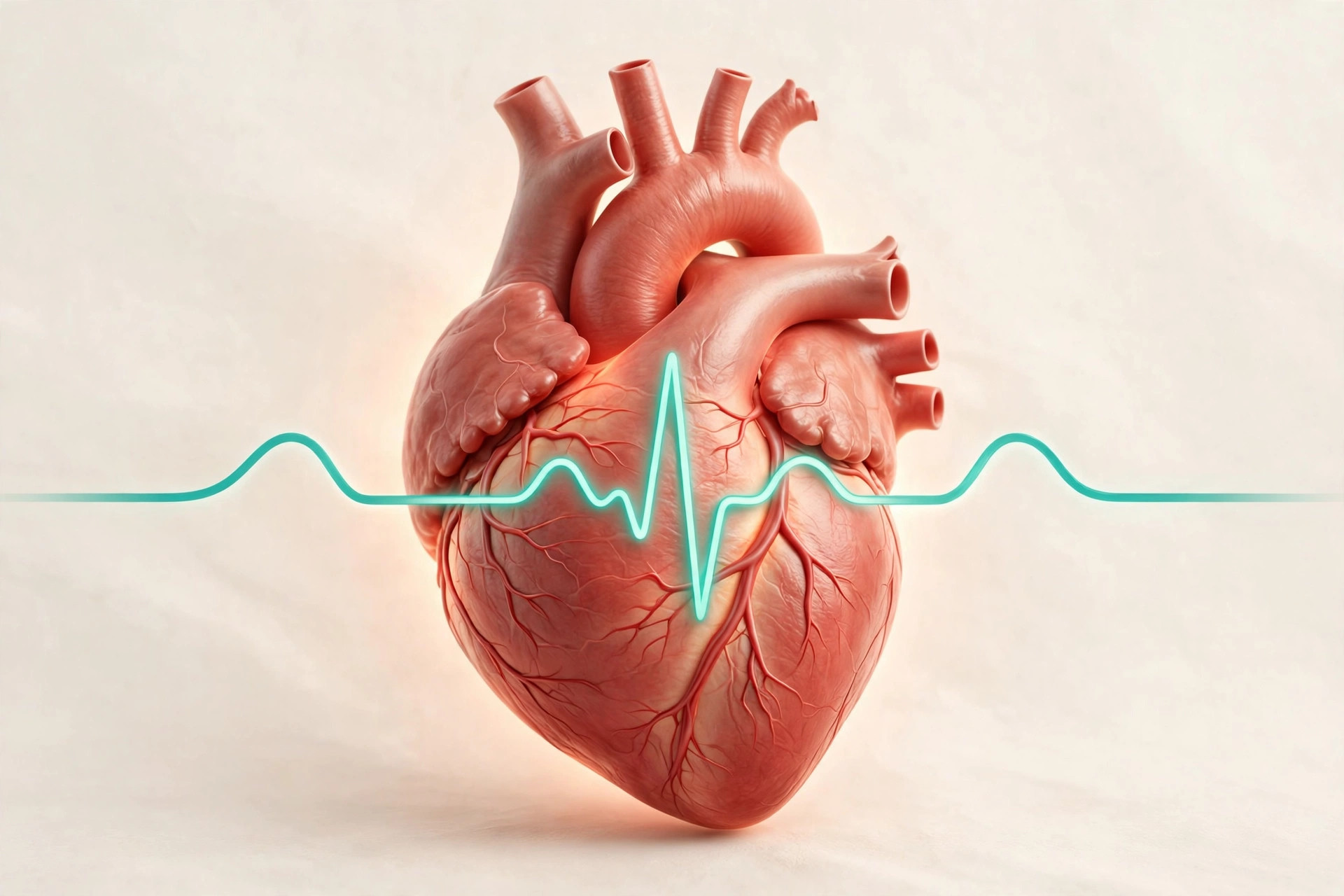
You're lying in bed, scrolling your phone, when suddenly — your heart does something weird. A hard thump. A flutter, like a trapped moth. Or a skipped beat that stops you cold. Your mind jumps straight to the worst-case scenario.
Take a breath. Cardiologists hear this story every single day, and most of the time, the answer is reassuring. Heart palpitations — that sudden awareness of your own heartbeat — are one of the most common reasons Americans visit the ER, yet the vast majority turn out to be harmless.
Your heart beats roughly 100,000 times a day, according to the American Heart Association. It would be strange if it never stumbled. The real skill is knowing which stumbles deserve attention and which don't. Here's how cardiologists tell the difference.
What Palpitations Actually Feel Like
Palpitations aren't one sensation — they're a family of them. People describe them as:
- A skipped beat, followed by a harder-than-usual thump
- Fluttering in the chest, like a butterfly trapped under the ribs
- Pounding that you can hear in your ears or feel in your neck
- A sudden racing that hits even when you're sitting still
The "skipped beat" sensation is usually not a skipped beat at all. Most often it's a premature beat — an extra contraction that fires early — followed by a brief pause and then a stronger-than-normal beat as the heart resets. That strong thump after the pause is what you actually feel. These early beats are called premature ventricular contractions (PVCs), and cardiologists consider occasional ones completely normal.
The 7 Most Common Causes (Most Are Harmless)
1. Stress and Anxiety
The number-one trigger, especially in your 20s, 30s, and 40s. Anxiety floods your body with adrenaline, which makes the heart beat faster and harder — and makes you notice every irregularity. It's a feedback loop: you feel a flutter, you panic, the adrenaline spikes, the flutter gets worse.
2. Too Much Caffeine
That third cup of coffee matters. The FDA says up to 400 mg of caffeine a day (about four 8-ounce cups of coffee) is generally safe for most adults — but sensitivity varies wildly. Energy drinks are worse offenders: a single 16-ounce can can pack 300 mg of caffeine plus sugar and stimulant additives. If your palpitations cluster in the afternoon, look at your caffeine first.
3. Alcohol
"holiday heart" isn't just a holiday problem. Binge drinking can trigger arrhythmias even in people with healthy hearts — researchers coined the term "holiday heart syndrome" for the spike in irregular heartbeats after heavy drinking. But even moderate drinking can cause palpitations in sensitive people, often in the middle of the night as the alcohol wears off.
4. Dehydration and Electrolyte Shifts
Your heart's electrical system runs on electrolytes — potassium, magnesium, sodium, and calcium. Sweat out too much during a workout, a stomach bug, or a hot day without replacing fluids, and the balance shifts. The result can feel like fluttering or a racing pulse.
5. Thyroid Problems
An overactive thyroid (hyperthyroidism) revs up your entire metabolism, including your heart rate. If your palpitations come with unexplained weight loss, heat intolerance, trembling hands, or anxiety that feels out of proportion, a simple blood test for thyroid hormone levels is worth asking your doctor about.
6. Hormonal Changes
Many women notice palpitations during perimenopause and menopause, when estrogen levels fluctuate. Pregnancy can bring them on too, as blood volume increases by up to 50% and the heart works harder to move it.
7. Medications and Supplements
Decongestants like pseudoephedrine (Sudafed), asthma inhalers, some ADHD medications, thyroid medication that's dosed too high, and even "natural" stimulants like bitter orange can all trigger palpitations. Always tell your doctor about everything you take, including over-the-counter products.
Red Flags: When to Call 911
Most palpitations are benign. But call emergency services or get to an ER immediately if palpitations come with any of these:
- Chest pain, pressure, or tightness — the classic heart attack symptom
- Fainting or feeling like you're about to pass out
- Severe shortness of breath
- Dizziness that doesn't pass quickly
- Palpitations during exercise (rather than at rest)
- A family history of sudden cardiac death or inherited heart conditions
Also seek urgent care if you have known heart disease, a heart valve problem, or a prior heart attack and you develop new palpitations.
What a Cardiologist Actually Does
If your palpitations are frequent, bothersome, or unexplained, your doctor will likely start with an ECG (electrocardiogram) — a painless 30-second test that records your heart's electrical activity. The catch: palpitations often don't happen during the appointment. That's why cardiologists frequently send patients home with a portable monitor:
- A Holter monitor records every beat for 24–48 hours
- An event monitor is worn for up to 30 days and records when you press a button during symptoms
- A patch monitor sticks to your chest for up to two weeks with no wires
Blood work usually checks thyroid hormones, iron levels, and electrolytes. For most people, this workup finds either nothing dangerous or an easily fixable trigger.
How to Calm Palpitations in the Moment
When a bout of palpitations hits and you know the drill (no chest pain, no fainting), these steps help most people:
- Slow your breathing. Inhale for 4 seconds, hold for 4, exhale for 6. Activating your vagus nerve can slow the heart rate and break the anxiety loop.
- Splash cold water on your face or hold a cold compress on it. This triggers the "dive reflex," which naturally slows the heart.
- Sit down and rest. Don't try to power through a workout during palpitations.
- Drink a glass of water. If dehydration is the trigger, this can resolve it within minutes.
- Note the pattern. What did you eat, drink, or take in the last few hours? Tracking triggers is the single most useful thing you can do — it turns a mystery into a pattern your doctor can work with.
The Bottom Line
A fluttering, skipping, or pounding heart is scary the first time it happens — that's a completely normal human reaction. But for the majority of Americans who experience palpitations, the cause is something fixable: too much caffeine, not enough sleep, dehydration, or stress.
Don't diagnose yourself either way, though. One visit with your primary care doctor — describing exactly what you felt, when, and what came with it — is enough to separate the harmless majority from the cases that need a cardiologist. Your heart has beaten billions of times without your permission; it deserves a quick checkup when it asks for your attention.
📚 Keep reading:

Why You're Constipated — and 9 Fixes That Actually Work
About 16 in 100 American adults deal with constipation, a third of those over 60. Gastroenterologists explain what's slowing things down — and the fixes that work.

That Q-Tip in Your Ear Is Doing More Harm Than Good
About 34 kids a day land in the ER from cotton-swab ear injuries. Ear doctors say the ear canal cleans itself — here's the safe way to deal with earwax.
Appendicitis: 7 Warning Signs Your Belly Pain Is Serious
Lower-right belly pain, fever, nausea, no appetite? Appendicitis moves fast — and a burst appendix can turn deadly. Here's how ER doctors tell it apart from gas or a stomach bug.