Holiday Stress Is Making You Sick: How to Stop It

There's a particular kind of tired that arrives every January. You're not sick, exactly — but you're run-down, irritable, sleeping badly, and catching every cold that floats through the office. You spent November and December smiling through it, and your body kept the score.
You're not imagining it. The American Psychological Association has tracked holiday stress for years, and the numbers are sobering: in recent APA surveys, nearly 9 in 10 Americans said something about the holidays causes them stress — money, family gatherings, cooking, shopping, travel, all of it. More than a third said the holidays stress them out so much they can't enjoy them at all. And doctors see the physical fallout every winter: weakened immune systems, blood pressure spikes, flare-ups of everything from migraines to eczema.
The holidays aren't just "a busy time." They're a full-body stress event. Here's what's actually happening inside you — and how to get through the season without paying for it in January.
Your body can't tell holiday stress from danger
When you're lying awake at 2 a.m. running a mental spreadsheet — the turkey thaw time, the gift budget, your mother-in-law's arrival, the flight connection through Chicago in a snowstorm — your nervous system responds the same way it would to a genuine threat. Cortisol and adrenaline flood your body. Heart rate climbs. Digestion slows. Immune function drops.
That's useful for about ten minutes. Over six weeks of holiday season, it's corrosive. Chronic cortisol elevation is linked to weight gain around the midsection, elevated blood pressure, disrupted sleep, and a suppressed immune response — which is one reason so many people get genuinely sick after the holidays end. Studies on exam stress and holiday-season illness consistently show the same pattern: the crash comes when the stress lets up, because your exhausted immune system finally stops compensating.
Add the season's other insults — too much sugar and alcohol, too little sleep, crowded airports and malls full of other people's germs — and "the most wonderful time of the year" becomes a perfect storm for your health.
Money is the #1 holiday stressor (and it's getting worse)
Every year, the APA's stress surveys find the same top culprit: money. Americans feel intense pressure to spend — on gifts, travel, food, decorations — and the guilt and anxiety that follow last far longer than the wrapping paper. Roughly two-thirds of Americans say finances are a significant source of holiday stress, and many carry holiday credit-card debt into spring.
This is the stressor you can actually defuse. The research is clear and oddly comforting: experiences consistently make people happier than things. A 2024 review in the Journal of Consumer Psychology confirmed once again that spending on experiences — a meal together, a day trip, even a board-game night — produces more lasting happiness than equivalent spending on material gifts, and the recipient doesn't compare prices the way you fear they will.
The practical move: set the total holiday budget before Thanksgiving, tell family members early ("we're doing a $50 gift exchange this year"), and treat the cap as a gift to yourself. Almost nobody remembers what you spent on them by February. They do remember whether you seemed relaxed and happy.
The family-gathering problem nobody talks about
The second-biggest holiday stressor is other people — specifically, the expectation that a table full of relatives with different politics, parenting styles, and grudges will somehow produce a Norman Rockwell painting. Psychiatrists call this the "holiday fantasy": we compare our real, messy families to an idealized version and experience the gap as failure.
Two strategies actually work:
Shorten the exposure window. You don't owe anyone a four-day visit. A well-planned afternoon — arrive after lunch, leave before the evening grumpiness — protects your health and often improves the visit, because nobody is at their best on day three of a house-guest marathon. If you must travel far, book a hotel. The cost buys sleep, privacy, and a morning walk alone, which are worth more than politeness.
Decide your exits in advance. Therapists recommend pre-planned responses for the topics you know are coming: "I'm not discussing that today — pass the stuffing." It feels silly to rehearse. It works anyway. And keep one genuine ally in the room — a sibling, a cousin, your spouse — with an agreed signal for "I need air."
Also worth saying plainly: if the holidays are genuinely miserable because of family dynamics, you are allowed to skip them. Choosing a quiet Christmas with friends or volunteering instead of a dreaded gathering isn't failure. For millions of Americans with strained or absent family ties, the "friendsgiving" and the low-key holiday are the healthier option.
The four-week health defense plan
You can't eliminate holiday stress, but you can keep it from wrecking your health. Start now, before Thanksgiving:
1. Protect your sleep like it's a medical appointment. Sleep deprivation makes everything worse — emotional regulation, immune function, blood sugar control. Holiday weeks routinely shave Americans' sleep down to five or six hours. Guard a consistent bedtime even on party nights.
2. Move every day, even badly. A 20-minute walk after the big meal does more for your blood sugar and digestion than any supplement. The data on post-meal walking is remarkably strong: even light walking blunts glucose spikes by up to 30%. Make it a tradition — the family walk after Thanksgiving dinner burns calories, aids digestion, and, critically, gets everyone out of the house before the arguments start.
3. Eat the holiday food — strategically. Deprivation backfires; the person who "saves calories" all day for dinner reliably overeats at dinner. Eat normally through the day, load your plate with vegetables first, and give yourself full permission to enjoy the good stuff. The danger isn't the Thanksgiving plate — it's the three weeks of leftover pie, office cookies, and "just this once" lunches.
4. Budget alcohol like money. Holiday drinking doubles for many Americans, and alcohol is a terrible stress reliever — it disrupts sleep, raises next-day anxiety, and piles on empty calories. Alternate every drink with water, and pick a few genuinely alcohol-free days each week.
Know when it's more than stress
For some people, the holiday season triggers something clinical. If you notice persistent low mood, loss of interest in things you usually enjoy, appetite or sleep changes lasting more than two weeks, or a sense of dread that doesn't lift, that's beyond ordinary stress — it may be seasonal depression or clinical depression, and it's treatable. Roughly 5% of Americans experience seasonal affective disorder, with millions more experiencing milder winter blues.
Talk to your primary care doctor, call or text 988 (the Suicide and Crisis Lifeline, available 24/7), or text HOME to 741741 to reach the Crisis Text Line. Seeking help isn't weakness; it's the same logic as seeing a doctor for chest pain.
The takeaway
The holidays will stress you out. That's normal — the season demands money, travel, cooking, and family diplomacy simultaneously, and pretending it shouldn't is its own kind of pressure. But stress you manage — with a budget set early, shorter visits, guarded sleep, daily walks, and honest expectations — doesn't have to become the January crash.
This year, try a different resolution: not "survive the holidays," but enjoy the parts worth enjoying and let the rest go. Your body will thank you in January.
This article is for informational purposes only and is not a substitute for professional medical advice, diagnosis, or treatment. Always seek the advice of your physician or another qualified health provider with any questions you may have regarding a medical condition.
Rao Sajid is the founder and editor of VitalDaily. He covers everyday health topics — nutrition, sleep, fitness and wellness — turning guidance from public-health sources like the CDC, NIH and FDA into plain, practical advice. More about Rao →
📚 Keep reading:
Why Are My Hands Shaky? Causes of Hand Tremor
Your hands tremble when you pour coffee or hold your phone. Most shaky hands are harmless — but sometimes they're a warning. Here's what causes it and when to worry.
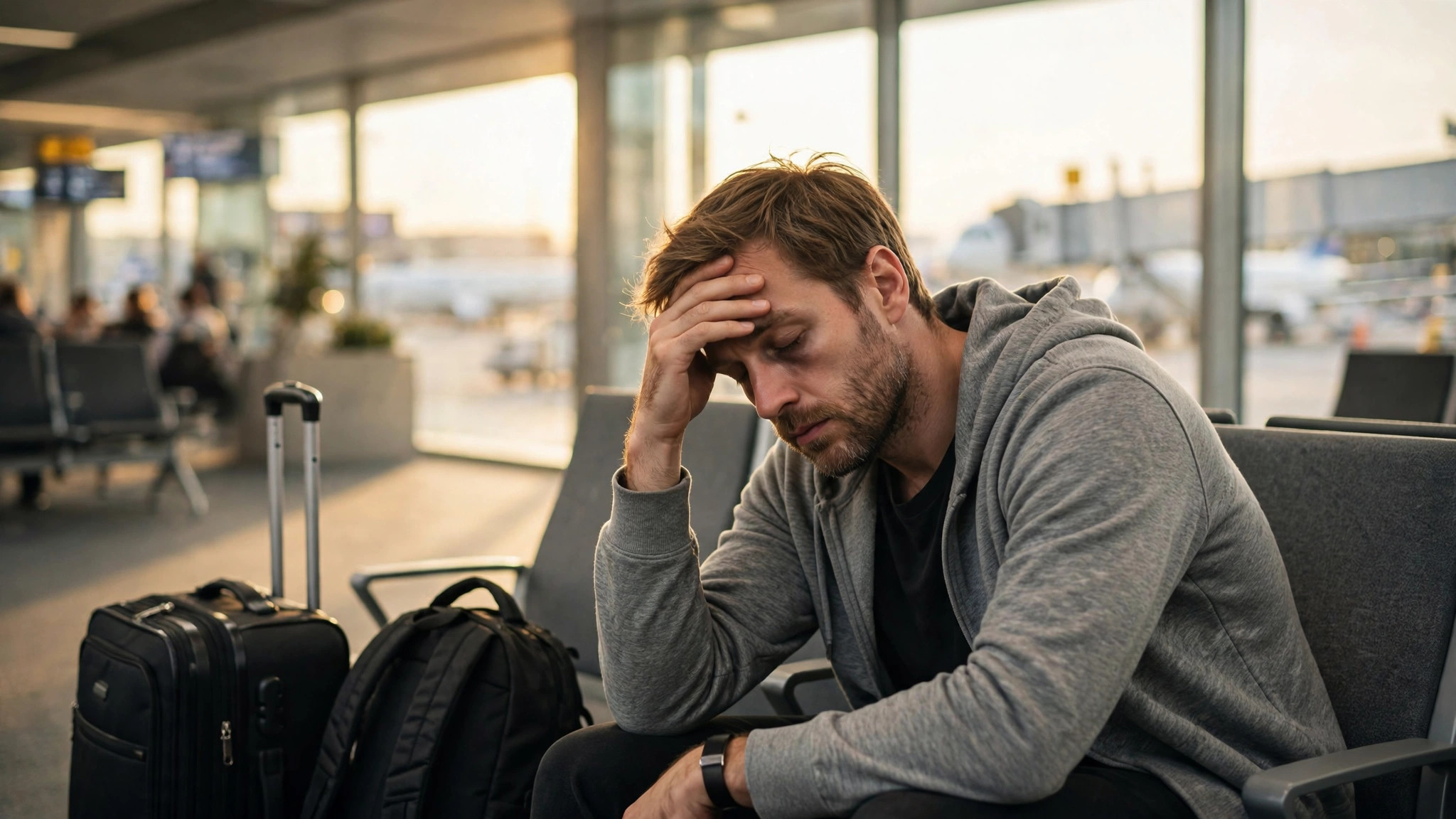
Why You Always Get Sick on Vacation (It's a Real Thing)
Day one of the trip, the sore throat hits. It's not bad luck — psychologists have a name for it. Here's why leisure makes you sick, and how to stop it.
Is Running Bad for Your Knees? What Science Says
Doctors hear this question every day. Here's what two decades of research actually says about running, knee arthritis, and how to protect your joints.