Why You Always Get Sick on Vacation (It's a Real Thing)
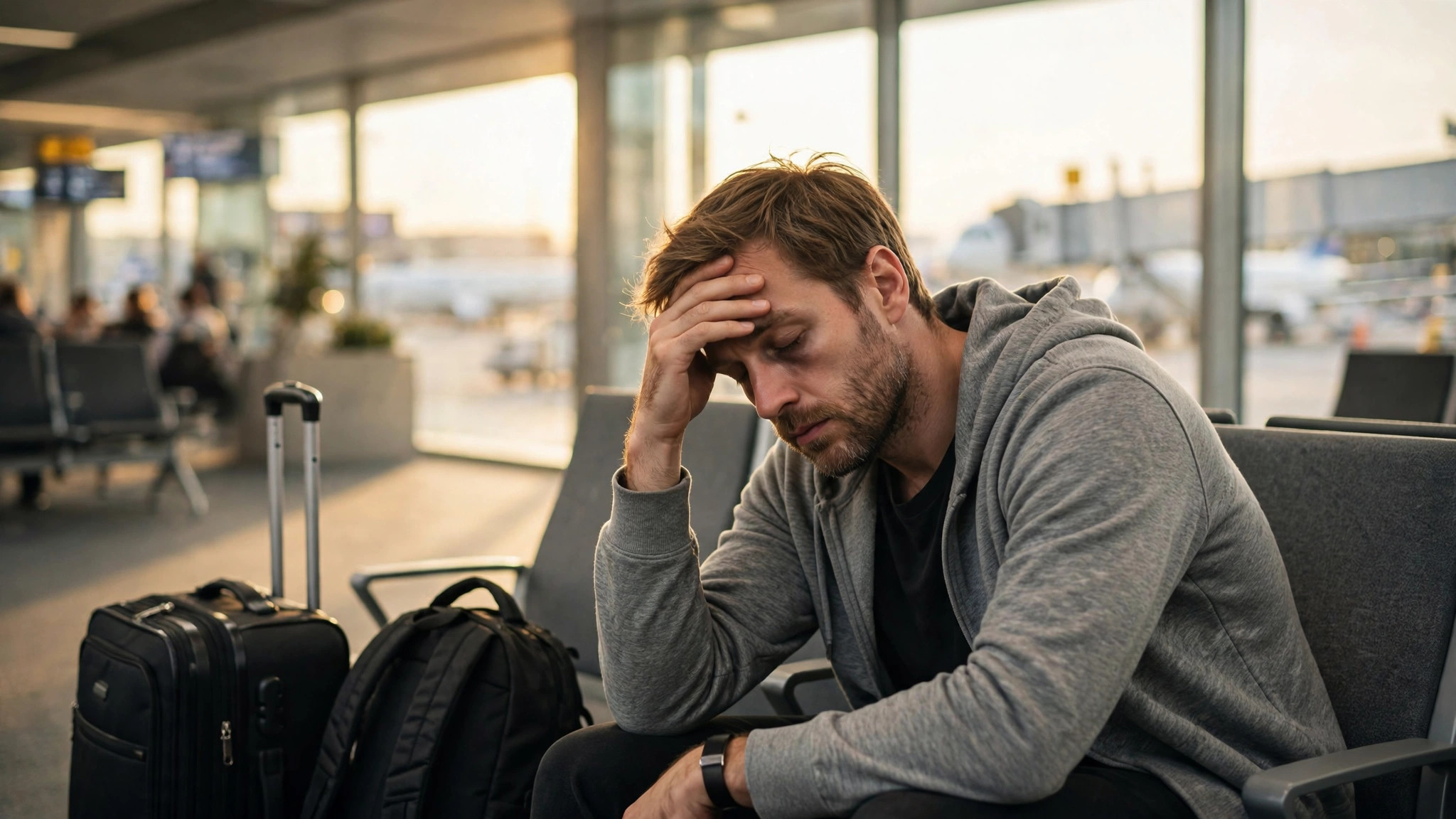
You counted down the days, packed the bags, breezed through security — and woke up on day one of your vacation with a sore throat, pounding headache, and body aches that send you straight back to bed. Meanwhile, you survived all of flu season at the office without a sniffle. If this pattern feels suspiciously personal, here's the twist: it's not bad luck. Psychologists have studied it for decades, and they gave it a name — leisure sickness.
It's not your imagination — there's a name for it
In the early 2000s, Dutch psychologist Ad Vingerhoets surveyed over 1,100 men and women and found that roughly 3 to 4% of people reliably get sick on weekends and vacations — headaches, colds, nausea, muscle pain, and fatigue that strike right when the pressure lifts. The defining feature: they feel fine during high-stress weeks and fall apart the moment they relax.
What's happening is a physiological rebound. When you're in go-mode, your body pumps out adrenaline and cortisol — stress hormones that suppress inflammation, dull pain signals, and keep your immune response on a leash. You power through minor infections without noticing. The moment you finally exhale, those hormone levels drop, the immune system comes off its leash, and all the illness your body was quietly suppressing flares up at once. Your body's own stress chemistry was masking the symptoms all along.
There's a psychological layer too. Work provides rhythm, purpose, and distraction — all of which raise your threshold for noticing discomfort. A person hunched over spreadsheets with a scratchy throat may genuinely not register it. The same scratchy throat at a quiet beach house with nothing to do becomes the only thing in the world.
Travel itself is a germ delivery system
On top of leisure sickness, vacations come with built-in exposure you don't get at your desk:
Airports and airplanes concentrate germs on hands, not in the air. A widely cited Emory/Auburn study of a simulated flu-season flight found the highest infection risk wasn't the recycled air — it was touching tray tables, armrests, and seatbelt buckles, then touching your face. The fix is boringly effective: hand sanitizer before you eat, and hands off your face.
Jet lag scrambles your immune system. Crossing time zones disrupts your circadian rhythm, and your immune cells literally run on a circadian schedule. Studies on shift workers — and frequent flyers — show disrupted sleep-wake cycles blunt immune responses, making infections more likely to take hold.
You sleep less right when you need it most. The all-night packing session, the 4 a.m. airport alarm, the unfamiliar hotel bed — short sleep the night before exposure is one of the strongest predictors of catching a cold. Research from Carnegie Mellon found people sleeping under 6 hours were more than four times as likely to develop a cold after viral exposure than those sleeping 7+ hours.
Vacation diets stress your gut. A week of restaurant food, extra alcohol, extra sugar, and weird meal timing disrupts the gut microbiome — and the gut is where roughly 70% of your immune tissue lives. Add dehydration from flying (cabin humidity can dip below 20%), and your respiratory mucous membranes dry out, losing their first line of defense against viruses.
How to stop ruining your own vacation
You can't control every germ, but you can remove the setup that lets leisure sickness happen:
- Wind down before the trip, not on it. The crash is worst when you go straight from a brutal work sprint to the departure gate. Take the last workday easier if you can — the immune rebound tracks the size of the stress drop.
- Protect the night before travel. Guard your sleep the two nights before departure like it's sacred. One short night can measurably raise your cold risk.
- Sanitize like a surgeon in transit. Wipe down the tray table, use hand sanitizer after the security line and before meals, and don't touch your face. This single habit cuts travel illness more than anything else you can buy.
- Hydrate aggressively while flying. Drink a full bottle of water per 2–3 hours of flight time. Dry cabin air plus coffee plus wine is how sore throats start.
- Time your flu shot right. Flu vaccine protection builds over about two weeks — getting your shot the week before Thanksgiving travel is too late for the trip itself. With holiday travel weeks away, now is the window the CDC's fall guidance points to.
- Keep a sleep anchor. Going to bed at a consistent local time, even on vacation, protects the circadian rhythm your immune system depends on. Morning daylight exposure at your destination resets the clock fastest.
When it's something more than vacation bad luck
Occasional first-day sniffles are a quirk. But if every trip triggers the same severe pattern — migraines, asthma flares, debilitating stomach issues — that's worth a doctor's visit rather than a travel article. Recurring vacation illness can mask allergies (hotel dust mites, new climates), exercise-induced asthma, or chronic stress catching up in disguise. And if you're over 65, have heart disease, or are immunocompromised, even a "small" travel cold deserves respect — talk to your doctor about timing flu, COVID, and RSV boosters before the holiday travel season.
The bottom line
Getting sick on vacation isn't bad luck or a personal failing — it's a well-documented collision between your stress hormones, your travel habits, and your sleep. The people who vacation best aren't tougher immune warriors; they're the ones who wind down gradually, protect their sleep, and treat airport handrails like the germ farms they are. With Thanksgiving travel just around the corner, this year might be the one where day one actually feels like a vacation.
This article is for informational purposes only and is not medical advice. If you experience severe or recurring illness on trips, talk to your doctor.
Rao Sajid is the founder and editor of VitalDaily. He covers everyday health topics — nutrition, sleep, fitness and wellness — turning guidance from public-health sources like the CDC, NIH and FDA into plain, practical advice. More about Rao →
📚 Keep reading:
Is Running Bad for Your Knees? What Science Says
Doctors hear this question every day. Here's what two decades of research actually says about running, knee arthritis, and how to protect your joints.

What Your Pee Color Means — and When to Worry
Clear, yellow, orange, red — your urine is a daily health report card. Here's what every shade means, which foods and meds change it, and when to call your doctor.

Sober October: What 31 Days Without Alcohol Does
It's not too late to join Sober October. Here's what 31 days without alcohol does for your sleep, liver, blood pressure, waistline and wallet.