Sober October: What 31 Days Without Alcohol Does
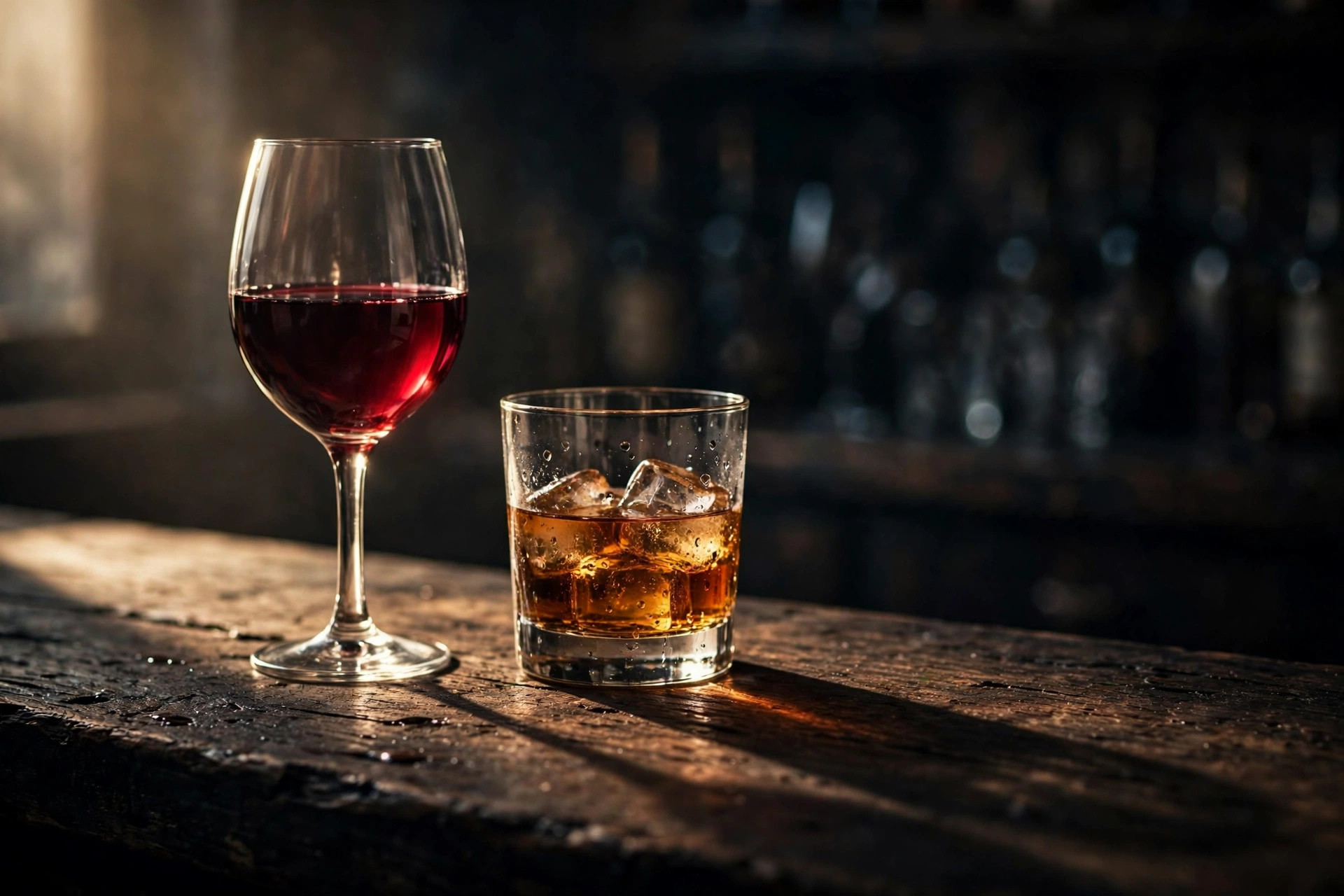
It's October 22, and there's a growing chance your wine rack — or your fridge's beer shelf — has been gathering dust for three weeks. If you joined Sober October, you're past the hardest part. If you didn't, here's some good news: starting now still counts. The body doesn't care what day of the month you begin; it starts cashing in the benefits almost immediately.
Sober October began in the UK as a cancer-fundraising challenge, but Americans have adopted it as a personal health reset — a one-month experiment in living alcohol-free, ideally timed before the holiday gauntlet of Thanksgiving, Christmas and New Year's. And the science behind it is more encouraging than most people expect. Here's what actually happens when you give up drinking for 31 days, week by week.
Days 1–3: The sleep surprise
Most people expect quitting alcohol to make them feel worse before they feel better, but the first change usually arrives fast — and it's about sleep. Alcohol is a sedative, so it can knock you out, but it sabotages the second half of the night: it suppresses REM sleep, fragments rest into shallow segments, raises your heart rate, and triggers those infamous 3 a.m. wakeups.
Remove it and sleep architecture starts normalizing within days. Many people report deeper, more continuous sleep by night three or four — even though falling asleep might feel oddly harder for the first couple of nights, simply because the sedative shortcut is gone. If that happens, it's temporary. Keep your bedroom cool, dark and screen-free, and your body's own sleep drive takes over.
One important exception: if you drink heavily every day, do not quit cold turkey without medical guidance. Alcohol withdrawal can cause tremors, seizures and dangerously high blood pressure — it is one of the few drug withdrawals that can kill. A Sober October reset is meant for regular social and moderate drinkers, not people with alcohol dependence. If that's a concern, talk to your doctor first — that conversation could matter more than any challenge.
Week 2: The fog lifts
By the second week, two things tend to improve noticeably: daytime energy and mood stability.
Alcohol is a depressant, and it also triggers rebound anxiety as it wears off — the phenomenon the internet calls "hangxiety." Even one or two evening drinks can raise baseline anxiety the next day. After roughly 10 to 14 days without drinking, many people notice they're calmer, less irritable, and mentally sharper — less of that fuzzy, half-hungover feeling that regular drinkers start to mistake for normal.
There's a calorie story unfolding too. A glass of wine runs about 120 to 150 calories, a beer around 150, and a mixed cocktail easily 200 or more. Two drinks a night is roughly 2,000 extra calories a week — more than half a pound of fat's worth of energy, before counting the late-night snacks alcohol tends to summon. People who change nothing else about their diet often drop 2 to 4 pounds over a dry month, purely from the missing drinks.
Week 3: The liver gets to work
This is where the internal repair goes into overdrive. The liver is remarkably forgiving — and fast. Regular drinking causes fat to accumulate in liver cells (fatty liver), which is reversible in its early stages. Research on month-long abstinence, including studies following the UK's "Dry January" participants, has shown measurable improvements in liver function and liver fat within three to four weeks.
Blood pressure typically follows the same downward slope. A well-known analysis of alcohol-reduction studies found that people who cut back saw meaningful blood pressure drops, with the biggest improvements in the heaviest drinkers — reductions of roughly 5 points systolic in some groups. The CDC estimates that nearly half of American adults have high blood pressure, and alcohol is one of the most common — and most fixable — contributors.
Skin is another visible winner. Alcohol dehydrates, dilates blood vessels and disrupts sleep, a triple hit that shows up as puffiness, dullness and redness. By week three, a lot of people look noticeably less puffy in the face — one of the changes friends tend to comment on first.
Day 31 and beyond: What sticks
Finish the month and the benefits don't just stop — but what you do next decides whether they last. Studies of Dry January participants found that six months later, many were still drinking less than before the challenge, and reported better sleep, more energy and even modest weight loss that persisted.
Here's what a full month buys you, in summary:
- Sleep: deeper, more continuous rest without the 3 a.m. wakeups
- Heart: lower blood pressure and resting heart rate
- Liver: reduced fat accumulation and improved function
- Weight: a real chance at losing several pounds without dieting
- Mood: less rebound anxiety and steadier energy
- Money: at U.S. bar and grocery prices, skipping even a few drinks a week easily saves $100 to $200 over the month
- Cancer risk: alcohol is a Group 1 carcinogen — the same category as tobacco — and in early 2025 the U.S. Surgeon General issued an advisory calling for updated warning labels linking alcohol to at least seven cancers, including breast and colorectal. Less alcohol means less risk, full stop.
How to actually make it to day 31
Willpower alone is a shaky strategy. What works:
Stock your substitutes. The ritual matters more than the ethanol. Keep sparkling water with lime, non-alcoholic beer, or a good zero-proof cocktail mixer on hand so "a drink after work" still exists — it just doesn't contain alcohol.
Tell people early. Announcing it at the office or to friends turns social pressure into social support. Most people are more encouraging than you'd expect — and some will join you.
Plan your trigger situations. If Friday happy hour is your danger zone, pre-decide your move: order a soda with lime confidently, or suggest a different activity. The awkwardness is almost entirely in your head; bartenders see this every day.
Track it. A simple calendar with an X on each alcohol-free day is surprisingly motivating. Watch the streak grow.
Don't aim for perfect if perfect derails you. Slipped on day 12? The month isn't ruined. The goal is a pattern change, not a purity test. Resume the next day.
The honest footnote
A month off won't erase years of heavy drinking, and it isn't a detox cleanse that "resets" your organs — your liver doesn't need a reset button, it needs a break, and this gives it one. The real value of Sober October isn't the 31 days. It's the information you walk away with: how much better you sleep, feel and look without alcohol, and whether the habit was costing you more than you realized.
Plenty of people finish the month and quietly extend it — or at least keep the weeknight-drinking rule they picked up along the way. That's not failure to return to normal. That's the experiment working.
Rao Sajid is the founder and editor of VitalDaily. He covers everyday health topics — nutrition, sleep, fitness and wellness — turning guidance from public-health sources like the CDC, NIH and FDA into plain, practical advice. More about Rao →
📚 Keep reading:
What Your Pee Color Means — and When to Worry
Clear, yellow, orange, red — your urine is a daily health report card. Here's what every shade means, which foods and meds change it, and when to call your doctor.
Heart Palpitations: When to Worry, When to Relax
Your heart flutters, skips or pounds for no reason — scary, but usually harmless. Here is what causes palpitations and the red flags that mean call 911.
Motion Sickness: Why It Happens and How to Stop It
Winding roads, choppy flights, holiday road trips — motion sickness hits 1 in 3 Americans. Here's the science of why your stomach rebels and the fixes that work.