How Much Water Do You Actually Need? Experts Explain
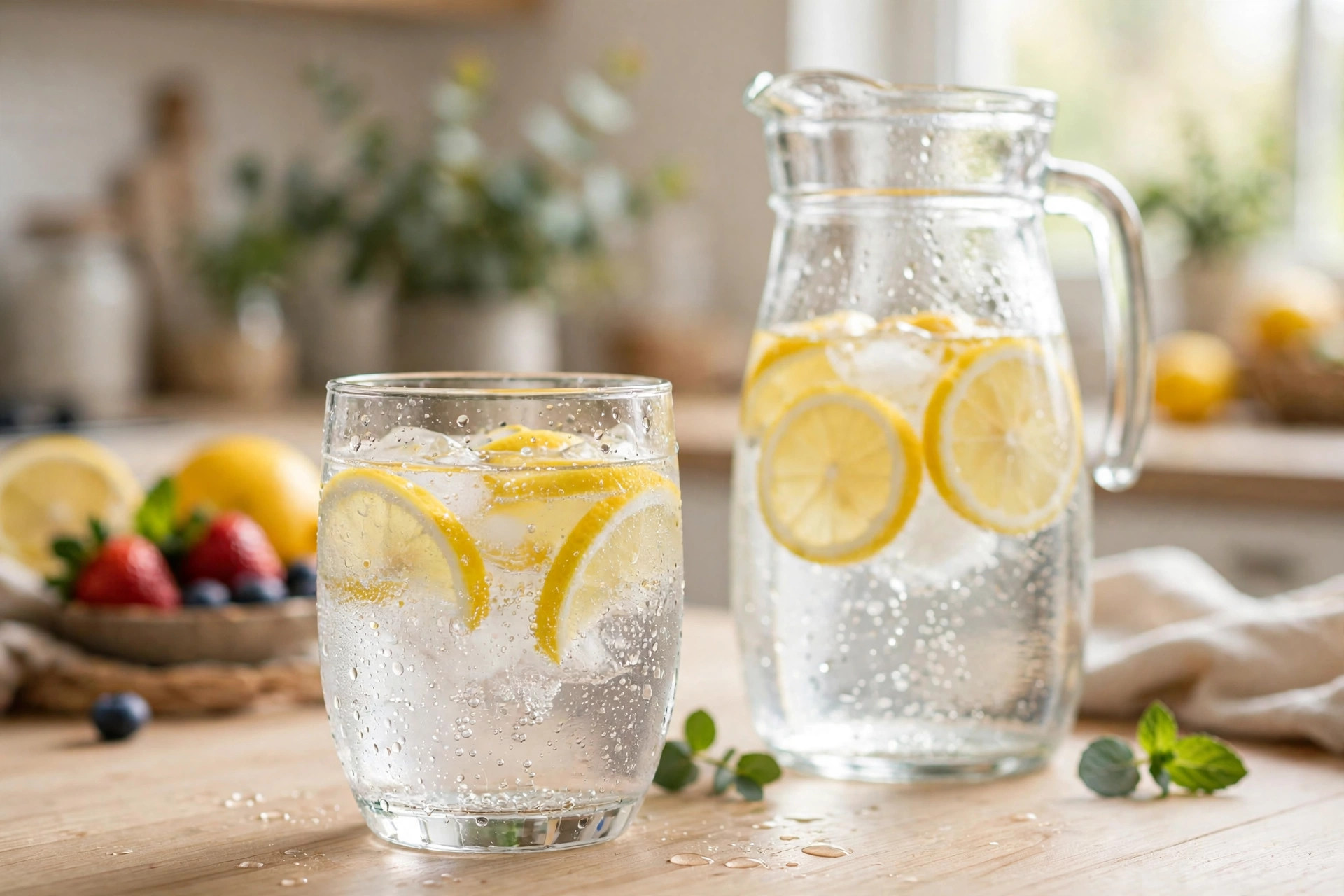
You've heard it a thousand times: drink eight 8-ounce glasses of water a day. But ask a nephrologist where that number comes from, and you'll get an uncomfortable pause. The truth is, the famous "8×8" rule has no solid scientific origin — yet it shapes how millions of Americans think about hydration.
So how much water do you actually need? The real answer is more interesting — and more personal — than a single number.
What the Guidelines Actually Say
The National Academies of Sciences, Engineering, and Medicine — the same bodies behind the federal dietary guidelines — set an adequate total water intake of about 125 ounces per day for men and 91 ounces per day for women. That sounds like a lot, but here's the catch: that figure includes water from all sources.
Roughly 20% of your daily water comes from food — fruits, vegetables, yogurt, even cooked rice and pasta. That means the actual fluid target is closer to 100 ounces for men and 72 ounces for women, roughly 12 and 9 cups respectively. The CDC puts it plainly: there's no one-size-fits-all amount, because your needs shift with age, weight, activity, climate, and overall health.
Why Most Americans Fall Short
Despite that guidance, federal survey data shows most Americans don't drink much plain water at all. The typical adult drinks far more soda, coffee, and sweetened beverages than water — and the consequences are subtle. Dehydration is one of the most underdiagnosed reasons for fatigue, headaches, and that 3 p.m. slump you blame on your job.
Your body loses about 64 to 80 ounces of water a day through normal breathing, sweat, urine, and even tears. In hot weather or during exercise, that number climbs fast. A two-hour summer workout can cost you 24 to 48 ounces of sweat alone. If you're not replacing it, you're running a deficit.
The Signs You're Not Drinking Enough
Mild dehydration — losing just 1 to 2% of your body weight in fluid — can impair concentration, mood, and short-term memory. Watch for these signals:
- Your urine is dark. Pale yellow means you're well hydrated; dark amber means drink water now.
- You feel tired for no reason. Studies link even mild dehydration to fatigue and reduced alertness.
- Frequent headaches. Dehydration is a common trigger — and one of the most fixable.
- Dry mouth and dry skin. Your body's first complaint department.
- You rarely feel thirsty. Thirst lags behind actual need, especially as you get older. Adults over 50 have a blunted thirst signal, which is why the CDC flags older Americans as a high-risk group for dehydration.
What About Coffee and Tea?
Good news: caffeinated drinks count. Research shows moderate coffee and tea consumption hydrates nearly as well as water, despite caffeine's mild diuretic effect. If you drink three to four cups of coffee a day, you're covering a big chunk of your fluid needs.
Alcohol is the exception — beer, wine, and cocktails actively pull water out of your system, which is why hangovers feel the way they do. And while sports drinks replace electrolytes after heavy sweating, most gym sessions don't require them; water does the job fine.
Can You Drink Too Much?
Yes — though it's rare. Drinking far more water than your kidneys can process (over a gallon in a short period, for most people) can dilute blood sodium to dangerous levels, a condition called hyponatremia. Marathon runners and extreme over-hydrators are the typical cases. For everyday life, the rule is simple: drink to thirst, and drink more when you're sweating, sick, or eating a salty meal.
A Practical Hydration Plan
Forget counting glasses. Try this instead:
- Start your morning with water. A tall glass (12–16 ounces) right after waking replaces overnight losses.
- Keep water within reach. People drink significantly more when a bottle is on their desk than when they have to go get one.
- Anchor drinking to habits. A glass with each meal and one mid-morning and mid-afternoon gets most adults to their target.
- Eat your water. Cucumbers, watermelon, oranges, and strawberries are over 90% water. The Mediterranean-style meals Americans keep hearing about hydrate you too.
- Check your urine. It's the simplest, most reliable hydration gauge you have.
- Drink before, during, and after exercise. For workouts over an hour in the heat, add electrolytes — from food, not just sugar-heavy drinks.
The Bottom Line
Hydration isn't about hitting a magic number — it's about staying ahead of your body's losses. For most American adults, that means roughly 9 to 12 cups of total fluid a day, more if you're active, in a hot climate, pregnant, or breastfeeding. Water remains the best default choice: zero calories, free from most taps, and exactly what your body is built to use.
Your body has been running on water for millions of years. Give it what it asks for — starting with that glass on your desk right now.
Medical disclaimer: This article is for general information only and is not medical advice. If you have kidney disease, heart failure, or take medications that affect fluid balance, talk to your doctor about your hydration needs.
📚 Keep reading:
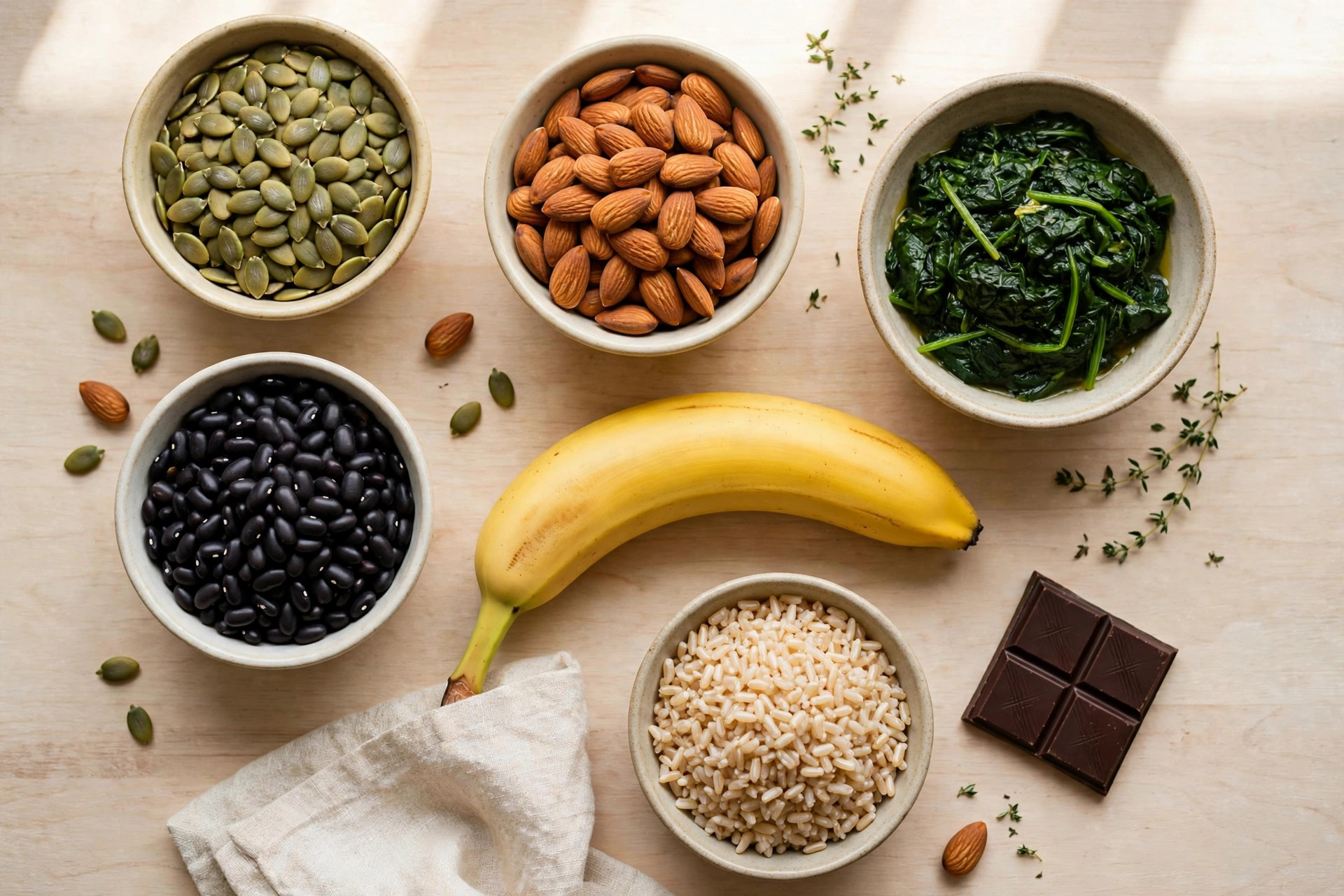
Why Half of Americans Don't Get Enough Magnesium
Roughly half of U.S. adults get less magnesium than they need. Here's why it matters — and the foods that fix it.

7 Ways to Strengthen Immunity Before Flu Season
Flu season hospitalizes 200,000+ Americans yearly. These 7 science-backed habits build your immune defenses before it hits.

6 Science-Backed Ways to Calm Work Anxiety Fast
Sunday-night dread? Racing thoughts at your desk? These 6 research-proven techniques calm work anxiety in minutes.