Kidney Stones: Why 1 in 10 Americans Get Them
It usually starts without warning: a sharp, stabbing pain grips your side or lower back, nausea follows, and you are on your way to the emergency room. Ask anyone who has passed a kidney stone, and they will tell you the same thing — it is pain you never want twice.
About 1 in 10 Americans will develop a kidney stone in their lifetime (NIDDK: roughly 11 percent of men, 6 percent of women), and without diet and habit changes, about half of first-timers get another within five years.
The good news: kidney stones are among the most preventable painful conditions in medicine. Most of the risk comes down to what is in your urine — how concentrated it is, and how much calcium, oxalate, sodium, and uric acid it carries.
What Kidney Stones Actually Are
Your kidneys filter about 30 gallons of blood every day, removing waste and extra water to make urine. When urine gets too concentrated, minerals and salts can crystallize and stick together. Over weeks or months, those crystals grow into hard deposits — kidney stones.
There are four main types:
- Calcium oxalate stones — the most common, roughly 80 percent of stones. They form when calcium combines with oxalate, found in foods like spinach, nuts, beets, and chocolate.
- Uric acid stones — more common with high animal-protein diets, gout, or heavy fluid loss. They form in acidic urine.
- Struvite stones — usually follow urinary tract infections and can grow large quickly.
- Cystine stones — rare, caused by an inherited disorder.
Knowing your stone type matters, because prevention differs for each. If you pass a stone, doctors recommend catching it in a strainer and having it analyzed.
Why Kidney Stones Are Rising in America
Kidney stones used to be considered a middle-aged man's problem. Rates in women have been climbing, and stones are increasingly showing up in younger adults. Researchers point to several American lifestyle trends:
Chronic dehydration. Many Americans spend the day mildly dehydrated — long commutes, desk jobs with no water nearby, workouts without enough fluids, and jobs like teaching or truck driving where bathroom breaks are hard to come by. Concentrated urine is the single biggest driver of stone formation.
Too much sodium. The average American eats around 3,400 mg of sodium a day, well above the 2,300 mg daily limit in federal dietary guidelines. Sodium pulls extra calcium into your urine, giving stones more raw material.
Sugar-sweetened drinks. Sodas and drinks sweetened with fructose or high-fructose corn syrup raise uric acid and oxalate excretion. Dark colas add phosphate on top.
Obesity and metabolic conditions. High blood pressure, diabetes, and obesity all raise stone risk — and all are more common in the U.S. than a generation ago.
Hotter summers. Stones peak in summer, when sweating concentrates urine.
Warning Signs You Should Not Ignore
A moving stone announces itself with severe pain in the side or back, just below the ribs, radiating toward the lower abdomen and groin. Other symptoms include pain that comes in waves, pink or brown urine, burning when urinating, a constant urge to urinate, and nausea.
Fever and chills alongside stone pain are an emergency. That combination can mean an infected, blocked kidney — a potentially life-threatening situation that needs immediate care.
The 5 Rules of Stone Prevention
The American Urological Association's guidance for stone formers comes down to a handful of evidence-backed habits:
1. Drink enough to keep your urine pale
The goal is a urine volume of at least 2.5 liters (about 85 ounces) per day — for most people, roughly 2.5 to 3 liters of fluid daily, more in heat or exercise.
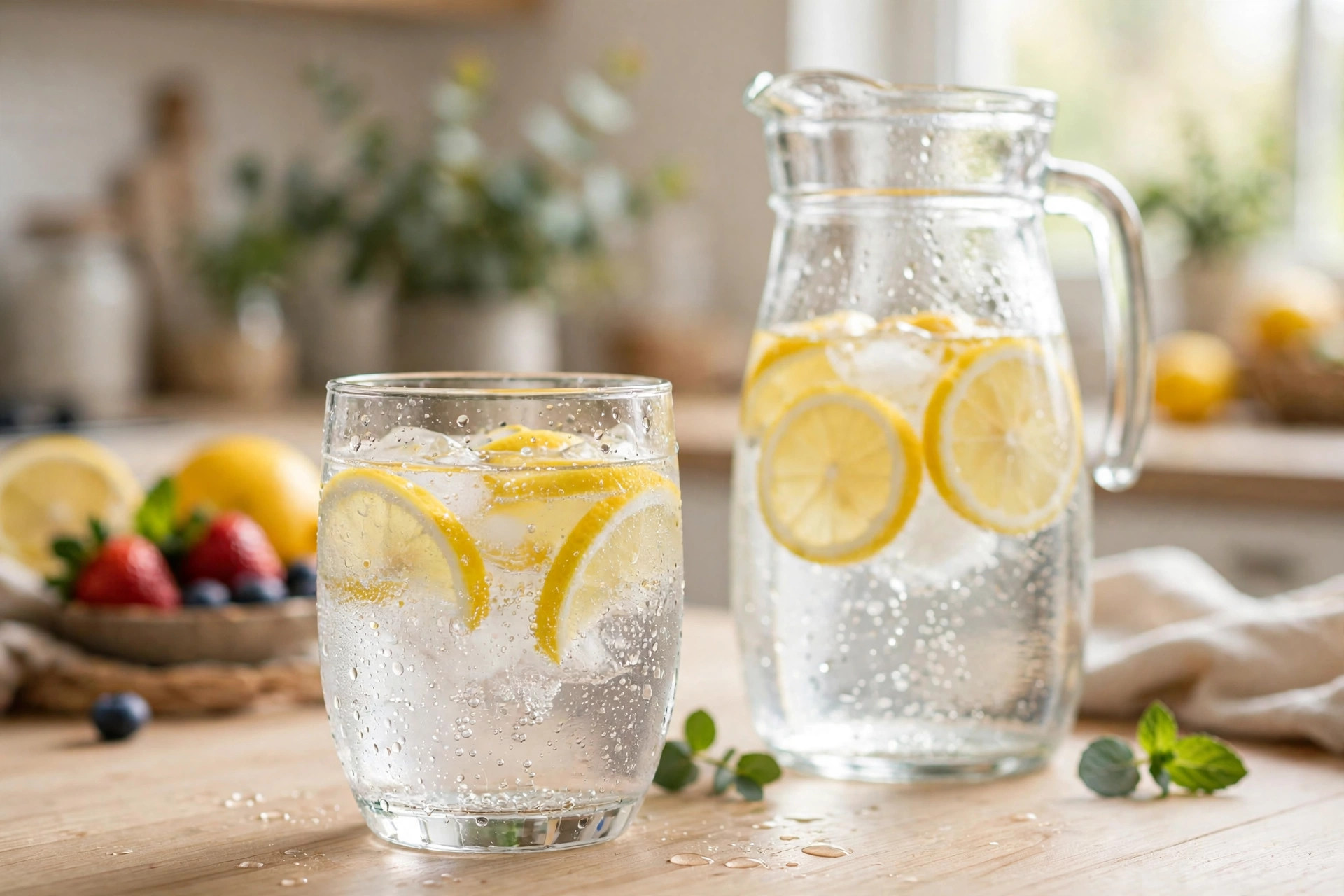
The simplest check: your urine should be pale yellow, like lemonade. Water is the mainstay, but lemon or lime water earns bonus points — citrate in citrus juice helps block crystal formation.
2. Do NOT cut out calcium
Because most stones contain calcium, people assume eating calcium causes them. The opposite is true. Dietary calcium — from food, not megadose supplements — binds to oxalate in your gut, so the oxalate leaves in your stool instead of reaching your kidneys.
Aim for 1,000 to 1,200 mg of calcium per day from food: a cup of yogurt (about 300 mg), a cup of milk (about 300 mg), a serving of cheese, or calcium-rich greens like kale and broccoli.
3. Cut sodium below 2,300 mg a day
Sodium is the stealth culprit. Most of it does not come from your salt shaker — it comes from restaurant meals, deli meat, canned soup, pizza, and processed snacks. A restaurant entrée can easily top 2,000 mg. Cooking more at home and choosing "no salt added" canned goods are practical ways to bring it down.
4. Ease up on animal protein and sugary drinks
A steak-heavy diet raises uric acid, makes urine more acidic, and lowers citrate — three strikes for stone formation. Keeping meat portions to a deck-of-cards size and swapping in beans, lentils, or tofu a few days a week lowers risk. Swap soda for sparkling water with lemon, and save sweet tea and energy drinks for rare occasions.
5. Pair oxalate-rich foods with calcium
You do not need to ban spinach, nuts, beets, or chocolate. The trick is to eat them with calcium — a spinach salad with feta, almonds alongside yogurt, or a glass of milk with a chocolate dessert lets dietary calcium trap oxalate in the gut before it reaches the kidneys.
One supplement caution: high-dose vitamin C (above 1,000 mg a day) can convert to oxalate in the body and has been linked to higher stone risk in men.
Three Stone Myths Worth Retiring
"Milk causes kidney stones." False. Dietary calcium protects against stones. It is calcium supplements taken without food, in large doses, that may raise risk in some people.
"Cranberry juice prevents stones." It contains oxalate and may raise the risk of calcium oxalate stones.
"Beer flushes out stones." It makes you urinate, but it also dehydrates you and raises uric acid. It is not medicine.
If You Have Already Had a Stone
A first stone is a wake-up call, not a life sentence. After treatment, ask your doctor about stone analysis, a 24-hour urine test, and follow-up imaging. Most small stones pass on their own with pain medication and fluids; larger ones may need shock-wave therapy, a scope procedure, or, rarely, surgery.
Your 7-Day Stone-Prevention Kickoff
This week: carry a water bottle and aim for pale-yellow urine; find one lower-sodium swap on a label you read often; add lemon to your water; put one calcium-rich food on your plate at lunch and dinner; swap one meat meal for beans or lentils; replace one sugary drink with sparkling water; and set a permanent hydration reminder on your phone.
Kidney stones are common, painful, and — for most people — largely preventable. Start with water.
This article is for general information only and is not medical advice. If you have kidney stones, kidney disease, or a medical condition that affects fluid or mineral balance, talk to your doctor before making major diet or supplement changes.
📚 Keep reading:

Tech Neck: How Your Phone Is Wrecking Your Posture
Your head weighs 60 pounds when you tilt it to check your phone. Here is what tech neck does to your spine — and the simple fixes that undo it.

Flu Season 2026: When to Get Your Flu Shot
October is the ideal window for your flu shot. Here's what the CDC recommends for the 2026-27 season, who needs which vaccine, and why this year matters.
Omega-3 Fish Oil: What the Science Actually Says
Fish oil is America's best-selling supplement — but do the pills live up to the hype? Here's what the biggest trials actually found.