Mediterranean Diet: A Beginner's Guide That Works
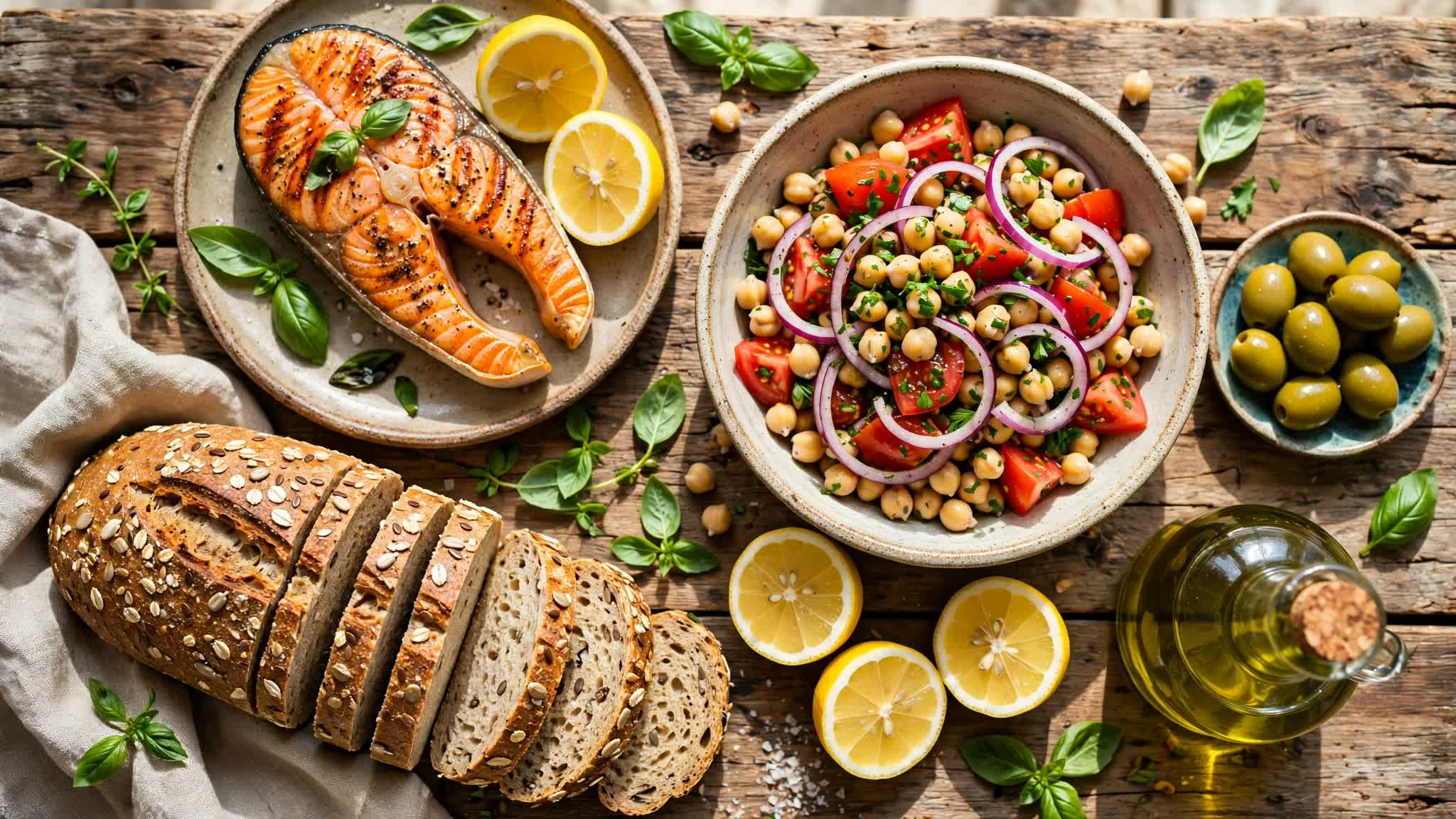
Every January, a flood of new diets promises to be the one that finally works. And every year, the quiet winner of U.S. News & World Report's Best Diets rankings — for eight years in a row — is a way of eating that isn't really a "diet" at all. The Mediterranean diet has no branded products, no banned food groups, and no 30-day challenge. It's simply how people around the Mediterranean Sea have eaten for generations — and the research behind it is among the strongest in all of nutrition science.
If you've been meaning to try it but pictured expensive fish and imported cheese, here's the good news: the American version runs on grocery-store staples like beans, frozen vegetables, canned tomatoes, and a decent bottle of olive oil.
What the evidence actually shows
This isn't wellness folklore. The landmark PREDIMED trial, a randomized study of roughly 7,400 adults in Spain published in the New England Journal of Medicine, found that a Mediterranean diet supplemented with extra-virgin olive oil or nuts cut major cardiovascular events — heart attacks, strokes, cardiovascular deaths — by about 30% in high-risk adults, compared with a reduced-fat control diet.
The American Heart Association recognizes the Mediterranean pattern as one that can help prevent heart disease and stroke. Large observational studies also link it to slower cognitive decline, lower type 2 diabetes risk, and healthier weight over time. No serious researcher claims it's magic — it's a pattern of mostly whole, minimally processed foods, and the benefits come from the whole pattern, not one superstar ingredient.
The plate, in plain English
Forget pyramids for a second. Here's what eating Mediterranean actually looks like day to day:
Eat plenty, every day:
- Vegetables and fruits — the base of nearly every meal
- Whole grains: oats, brown rice, whole-wheat bread and pasta, farro
- Beans, lentils, and chickpeas — cheap, filling, and fiber-packed
- Nuts, seeds, and extra-virgin olive oil as your main fat
Eat often, a few times a week:
- Fish and seafood — especially oily fish like salmon, sardines, and tuna, at least twice a week
- Poultry, eggs, cheese, and yogurt in moderate portions
Eat sparingly:
- Red meat — a few times a month rather than a few times a week
- Sweets and desserts — an occasional treat, not a daily habit
- Butter, processed meats, and heavily processed packaged foods
Herbs and spices do the flavor work that salt and sugar do elsewhere. Water is the default drink. Meals are meant to be eaten slowly and, when possible, with other people — that part is genuinely in the research tradition too, because the original studies captured a lifestyle, not just a menu.
A realistic starter day
- Breakfast: Greek yogurt with berries, walnuts, and a drizzle of honey — or oatmeal with fruit and cinnamon.
- Lunch: A big chopped salad with chickpeas, cucumber, tomatoes, red onion, feta, and olive oil with lemon; whole-grain pita on the side.
- Snack: An apple with a small handful of almonds.
- Dinner: Baked salmon (or canned tuna over beans, on a budget), roasted broccoli with garlic, and a tomato-cucumber salad. Swap in lentil soup, bean burritos on corn tortillas, or a veggie-packed whole-wheat pasta other nights.
Nothing on that list requires a specialty store. A week's Mediterranean staples at a typical U.S. supermarket — dry beans, lentils, oats, frozen vegetables, canned fish, eggs, seasonal produce — often cost less than the processed convenience foods they replace.
Five beginner moves that matter most
- Make olive oil your default fat. Cook with it, dress salads with it, finish soups with a spoonful. This single swap is the heart of the pattern.
- Put beans or lentils on the menu three times a week. They deliver fiber most Americans badly lack — the average adult gets only about half the recommended 25–38 grams a day.
- Schedule fish twice a week. Fresh, frozen, or canned all count. Sardines on toast are a Mediterranean classic and one of the cheapest sources of omega-3s in the store.
- Halve the red meat, double the vegetables. You don't have to quit burgers — just make them the exception, and let vegetables take up half the plate when they show up.
- Change the default dessert. Fresh fruit most nights; the real dessert when it's actually worth it.
Who should check with a doctor first
The Mediterranean pattern is safe for most healthy adults, but talk to your clinician before a major dietary shift if you're pregnant, managing diabetes with medication (improved blood sugar can change medication needs), have kidney disease (which can require potassium or protein limits), or take a blood thinner like warfarin, where keeping vitamin K intake steady matters.
The bottom line
The Mediterranean diet endures because it asks you to eat more of good things rather than white-knuckling through restrictions. Start with the olive oil swap and three bean-based meals this week. That's not a diet overhaul — it's a direction, and it's the direction with decades of evidence pointing the same way.
Rao Sajid is the founder and editor of VitalDaily. He covers everyday health topics — nutrition, sleep, fitness and wellness — turning guidance from public-health sources like the CDC, NIH and FDA into plain, practical advice. More about Rao →
📚 Keep reading:

Melatonin for Sleep: Does It Work and Is It Safe?
Americans now spend hundreds of millions on melatonin gummies each year. Here's what the science says it can do, what it can't, and the right way to use it.

Blood Pressure Numbers: What Your Reading Really Means
Nearly half of U.S. adults have high blood pressure, but most can't decode their own reading. Here's what the two numbers mean and when to act.

Why Your Mouth Is Always Dry: Causes and Fixes That Work
More than 500 medications cause dry mouth, and 25 million Americans don't make enough saliva. Here's what causes it, why it matters, and how to fix it.