Microplastics Are Inside You: What the New Science Says
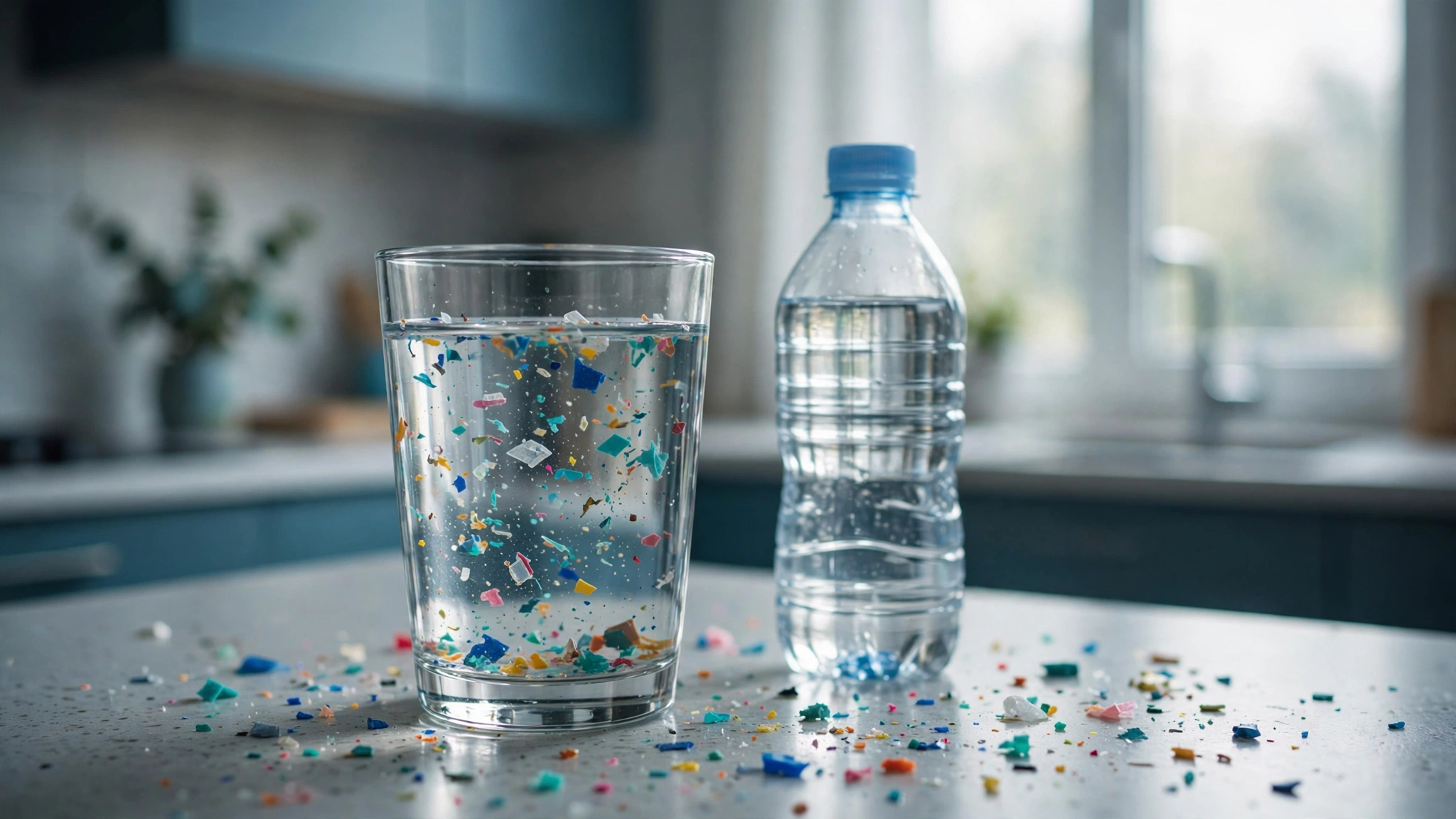
There is a decent chance you swallowed plastic today. Not from chewing on a pen cap — from your water bottle, your takeout container, your morning tea, even the air in your kitchen. And according to a wave of new research, those tiny particles aren't all passing through. They're lodging in human blood, arteries, and brains at levels that should make every American pay attention.
Here's the good news first: scientists still can't say for certain that microplastics are making us sick. The human studies so far show associations, not ironclad cause and effect. But the newest findings are genuinely startling — and unlike many health scares, there are concrete, practical steps you can take right now.
What the latest research actually found
They're in our arteries. In a landmark 2024 study published in the New England Journal of Medicine, Italian researchers examined carotid artery plaque removed from 257 patients undergoing surgery. They found microplastics and nanoplastics — mostly polyethylene — embedded inside the plaque in a significant share of patients. Over the following months, patients with plastic in their plaque had a 4.53-times higher risk of heart attack, stroke, or death compared with patients who didn't. In a separate 2025 presentation to the American Heart Association, researchers reported that people with fatty carotid buildup carried roughly 50 times more micro- and nanoplastics than those with clear arteries.
They're in our brains. A 2025 study from the University of New Mexico analyzed donated human brain tissue and found microplastic concentrations seven to thirty times higher than in matched liver or kidney samples. Worse, the burden rose by roughly 50% between 2016 and 2024. Polyethylene — the plastic in grocery bags and bottles — predominated, mostly as nanoscale, shard-like fragments. Donors with dementia carried the heaviest loads.
They're in our water. A Columbia University study found that a single liter of bottled water can contain around 240,000 tiny plastic particles — about 90% of them nanoplastics, far smaller than a human hair and small enough to potentially slip through the gut into the bloodstream.
To be fair: researchers stress that the heart findings are observational. Atherosclerosis itself might trap circulating particles, meaning the plastic could be a marker of disease rather than its cause. But animal experiments are closing that gap — one mouse study showed that nanoplastics given orally reached the brain within two hours.
Where your exposure comes from
The average American is exposed to an estimated tens of thousands of microplastic particles per year. The lead author of the carotid study put it bluntly: the main source isn't plastic utensils or cutting boards — it's the food and water we consume every day. The biggest contributors:
- Bottled water — far worse than tap water, especially bottles left in a hot car
- Takeout and heated plastic containers — microwaving food in plastic releases enormous numbers of particles
- Ultraprocessed foods — heavy plastic packaging contact plus industrial processing
- Tea bags — many are heat-sealed with polypropylene; one cup can release billions of particles
- Plastic cutting boards — each chop sheds fragments into your food
- Synthetic clothing and household dust — a major source of airborne microfibers you breathe in
7 practical ways to cut your exposure
You can't eliminate microplastics — they're in rainwater and Arctic ice at this point. But you can meaningfully reduce the steady drip into your body.
1. Ditch bottled water
This is the single highest-impact change. Get a quality carbon-block or reverse-osmosis filter for your tap (NSF-certified pitchers are under $40 at any big-box store) and carry a stainless steel or glass bottle. The CDC notes that U.S. tap water is among the safest in the world.
2. Never microwave food in plastic
Heat is the great liberator of microplastics. Transfer leftovers to glass or ceramic before reheating — even containers labeled "microwave-safe." Let hot food cool slightly before covering it with plastic wrap.
3. Swap your cutting board
Studies estimate plastic boards can shed thousands of fragments per cutting session. A bamboo or wood board is cheap, lasts longer, and is gentler on your knives.
4. Rethink takeout habits
When possible, transfer restaurant food out of plastic containers promptly — hot, greasy food pulls plasticizers out fastest. Say no to the plastic bag for short walks home.
5. Brew loose-leaf tea
If you drink tea daily, switch to loose leaf with a stainless infuser. It's cheaper per cup, tastes better, and skips the plastic-sealed bag.
6. Vacuum and dust with damp cloths
A large share of indoor exposure is airborne microfibers from carpets, furniture, and synthetic clothing. Vacuum weekly with a HEPA-filter vacuum and dust with a damp microfiber cloth. Wash synthetic fleece less often, and use cold cycles.
7. Eat less ultraprocessed food
This one does double duty: ultraprocessed foods come in the most plastic packaging and carry their own independent risks for obesity, diabetes, and heart disease. Swapping packaged snacks for whole foods — fruit, nuts, vegetables — cuts both.
The bottom line
Scientists are careful people, and they're being careful about this: microplastics have not been proven to cause human disease. But the direction of the evidence — plastic inside arterial plaque tied to 4.5x cardiovascular risk, rising brain concentrations, 240,000 particles per bottle of water — is hard to ignore. The FDA and EPA are both studying the issue, and more definitive research is coming.
In the meantime, the protective steps overlap almost perfectly with advice doctors already give: drink filtered tap water, cook and store food in glass and steel, eat whole foods. If the microplastics research turns out to be a false alarm, you've still saved money, reduced your exposure to other plastic additives, and eaten better. That's a bet worth taking.
📚 Keep reading:

Colon Cancer Under 50 Is Rising: 7 Warning Signs
Colorectal cancer is now the #1 cause of cancer death in Americans under 50. Know the 7 warning signs, the risk factors you can control, and why screening now starts at 45.

Fall Back: Why the Time Change Messes With Your Health
On November 1, America sets its clocks back — and sleep, mood, and heart health pay the price. Here's how to adjust in days, not weeks.
Stopping Ozempic? The Rebound Effect, Explained
Most people regain much of the weight they lost on Ozempic within a year of stopping. Here is what the research shows — and how to protect your progress.