Morning Sunlight: The Free Sleep Hack That Actually Works
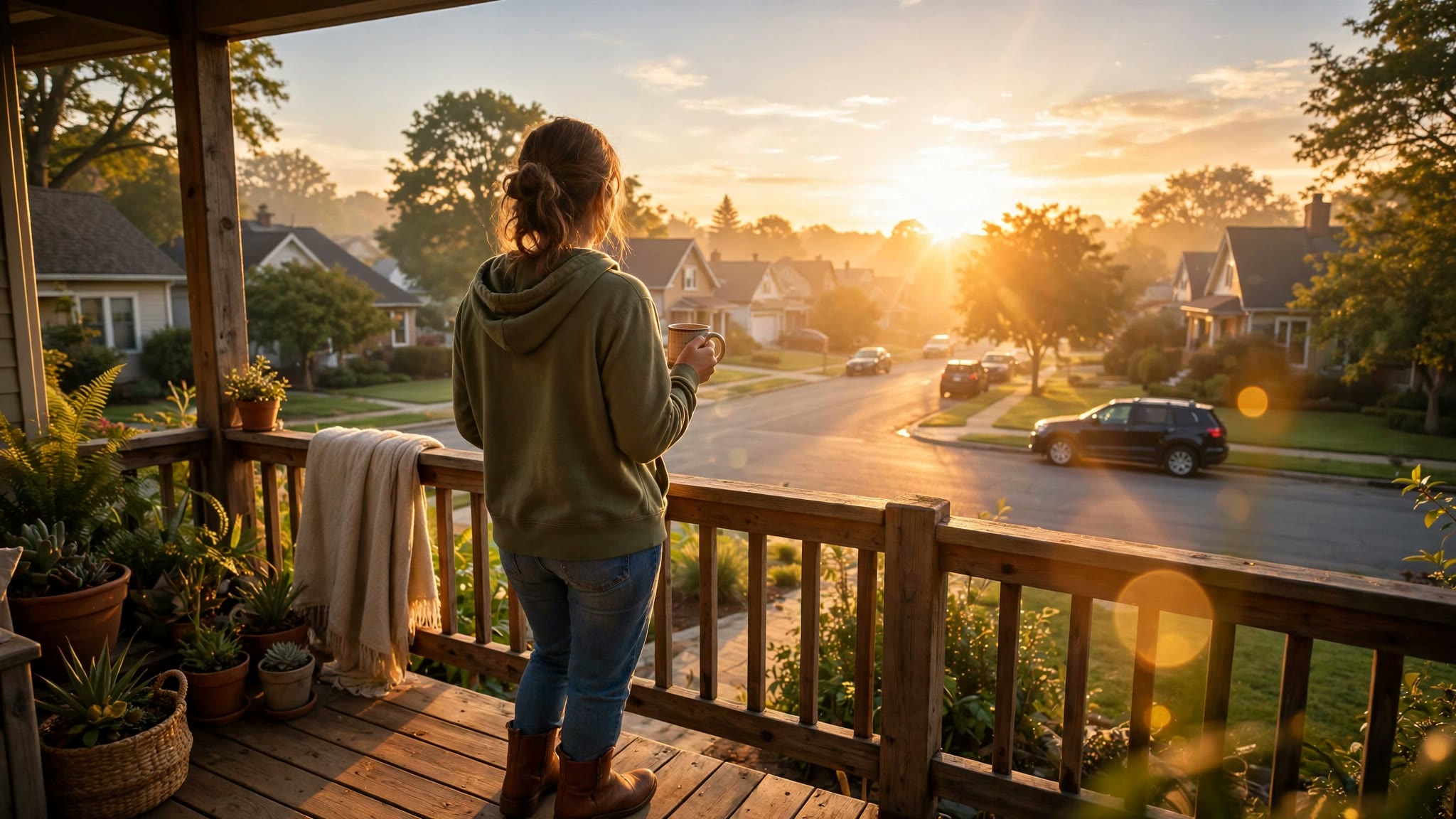
Americans now spend more than $5 billion a year on sleep aids — melatonin gummies, prescription pills, white-noise machines, blackout curtains — yet roughly 1 in 3 U.S. adults still doesn't get the 7 hours the CDC recommends. Here's what makes that number almost absurd: the most powerful sleep lever we know of is free, has zero side effects, and takes about ten minutes. It's stepping outside in the morning.
This isn't wellness folklore. Sleep researchers, psychiatrists, and neuroscientists have been converging on the same finding for years: bright light hitting your eyes in the first hour after waking is the single strongest signal that sets your body's internal clock. And in a country where the average person spends 90% of their life indoors, most of us are starving that signal.
Your body has a clock — and light sets it
Buried deep in your brain is a cluster of about 20,000 neurons called the suprachiasmatic nucleus — your master circadian clock. It runs on a roughly 24-hour cycle, and its job is to tell every organ in your body what time it is. Are you awake? Then release cortisol and feel alert. Is it nighttime? Then release melatonin and get drowsy.
The problem is that this clock isn't perfectly 24 hours. Left alone in a dark cave, it would drift later every day — meaning it needs a daily correction, and bright light is the correction it listens to. Morning light does three things at once:
It sets your melatonin timer. When bright light hits the specialized receptors in your eyes early in the day, it anchors the rhythm that controls melatonin — your "get sleepy" hormone. Roughly 14 to 16 hours after morning light exposure, melatonin rises and you naturally feel drowsy. Morning light is how you tell your body tonight's bedtime.
It triggers a healthy cortisol spike. A short burst of cortisol within the first hour of waking — called the cortisol awakening response — is actually a good thing. It's what lifts the grogginess and gets you alert. Bright light makes that spike bigger and more precisely timed, so you wake up faster and stay sharper.
It boosts daytime serotonin. Sunlight exposure stimulates serotonin, the neurotransmitter tied to mood and focus. Serotonin is also the raw material your brain converts into melatonin later — so daytime light literally builds the ingredients for better nighttime sleep.
What the research actually says
The evidence isn't one or two small studies. Office workers exposed to bright morning light sleep about 46 minutes longer at night than workers in dim offices, according to research published in the Journal of Clinical Sleep Medicine. Military and shift-work studies show timed bright light realigns disrupted sleep schedules faster than anything else.
There's also a mood payoff that's hard to ignore. Large population studies — including a 2023 analysis of nearly 87,000 UK adults in Nature Mental Health — found that people who got more daytime light exposure had a significantly lower risk of depression. Light is so reliably effective that bright-light therapy boxes are a standard, insurance-covered treatment for seasonal affective disorder, with response rates comparable to antidepressants.
And here's a detail that surprises most people: it doesn't take long, and it doesn't have to be sunny. Even on an overcast morning, outdoor light is typically 10,000 lux or more — twenty to fifty times brighter than a well-lit office. Ten minutes outside on a cloudy day can do what no lamp in your living room can.
How to do it right
The protocol is simple, but the details matter. Get most of them wrong and you get almost nothing.
Go outside within an hour of waking. The closer to wake time, the stronger the effect. The signal works best on the rising part of your clock — morning. Afternoon light is still good for mood, but it doesn't set your bedtime.
Aim for 5 to 30 minutes, depending on the sky. On a bright clear morning, 5 to 10 minutes is plenty. Overcast or hazy? Give it 20 to 30. The darker the sky, the longer you need.
Eyes, not skin. This works through light hitting your retinas, not your arms. You don't need to strip down — and sunscreen is fine, since the effect is through the eyes. But windows, windshields, and sunglasses filter out the light your clock needs. A car windshield can block 90% of the signal. Step outside the glass.
Don't stare at the sun. This part matters: look toward the sky, walk around, have your coffee on the porch — but never look directly at the sun, especially in the first minutes. More light isn't better once you're past the threshold, and staring at the sun can damage your retinas.
The mistakes that cancel it out
The most common one is timing it wrong. Morning light after 10 a.m. is mostly just a pleasant walk — the clock-setting window has largely closed. Late risers who only get light at noon get the mood lift but miss the sleep benefit.
Second: thinking indoor light counts. Your kitchen at 300 to 500 lux is a dim cave to your circadian clock. A bright morning outdoors is 10,000 to 100,000 lux. There is no indoor substitute for stepping outside.
Third: sunglasses during the exposure. If you're light-sensitive, it's fine to wear them after the first few minutes, or stand in shade — you'll still get plenty of lux. But wearing dark sunglasses for the whole walk in bright conditions can cut the signal down below the useful threshold.
Cloudy days, winter, and shift work
What about November in Chicago, or a week of gray skies? Overcast outdoor light is still an order of magnitude brighter than indoors, so the routine still works — just stay out a bit longer. On genuinely dark mornings, a 10,000-lux light therapy box for 20 to 30 minutes at breakfast is the evidence-backed backup. It doesn't have to be fancy; the specs that matter are brightness (10,000 lux) and UV filtration, which every reputable box has.
Night-shift workers face the mirror-image problem: their clock needs a "morning" at 6 p.m. Wearing blue-light-blocking glasses on the drive home, keeping the bedroom dark and cool, and getting bright light at the start of the shift applies the same science in reverse. The clock just needs a consistent anchor — whenever your morning is.
A 7-day plan to try
- This week, anchor one habit to it. Morning light sticks when it's attached to something you already do — walking the dog, drinking coffee on the porch, the walk to the subway. Don't schedule a new workout; hijack an existing routine.
- Keep it short at first. Five minutes outside the door beats a perfect thirty-minute routine you abandon by Thursday.
- Pair it with movement if you can. A short morning walk combines light, gentle exercise, and fresh air — all three nudge the clock in the same direction.
- Protect the other end of the day. Morning light works twice as well when evening is dim: dim the house lights after sunset, switch phones to night mode, and avoid doom-scrolling in bed. Your clock reads the contrast between bright days and dark nights.
- Track it for a week. Rate your sleep quality and morning alertness each day. Most people who stick with it notice faster wake-ups within three to five days and easier bedtimes within two weeks.
Your front door is waiting. Step outside and take it.
📚 Keep reading:
Your Gums and Your Heart: Why Flossing Matters
Nearly half of U.S. adults have gum disease — and the bacteria in your mouth may be quietly raising your heart risk. Here's the science and what to do about it.

Creatine After 40: Muscle, Brain, and the Real Science
Creatine isn't just for gym bros. New research shows this cheap, well-studied supplement may protect aging muscles and sharpen the brain. Here's the evidence.
Cold Showers vs Ice Baths: What Science Says
Ice baths, cold showers, cold plunges — everyone's freezing themselves for health. Here's what clinical trials actually say about the benefits, the hype, and the risks.