Mouth Taping for Sleep: Does It Work or Is It Risky?
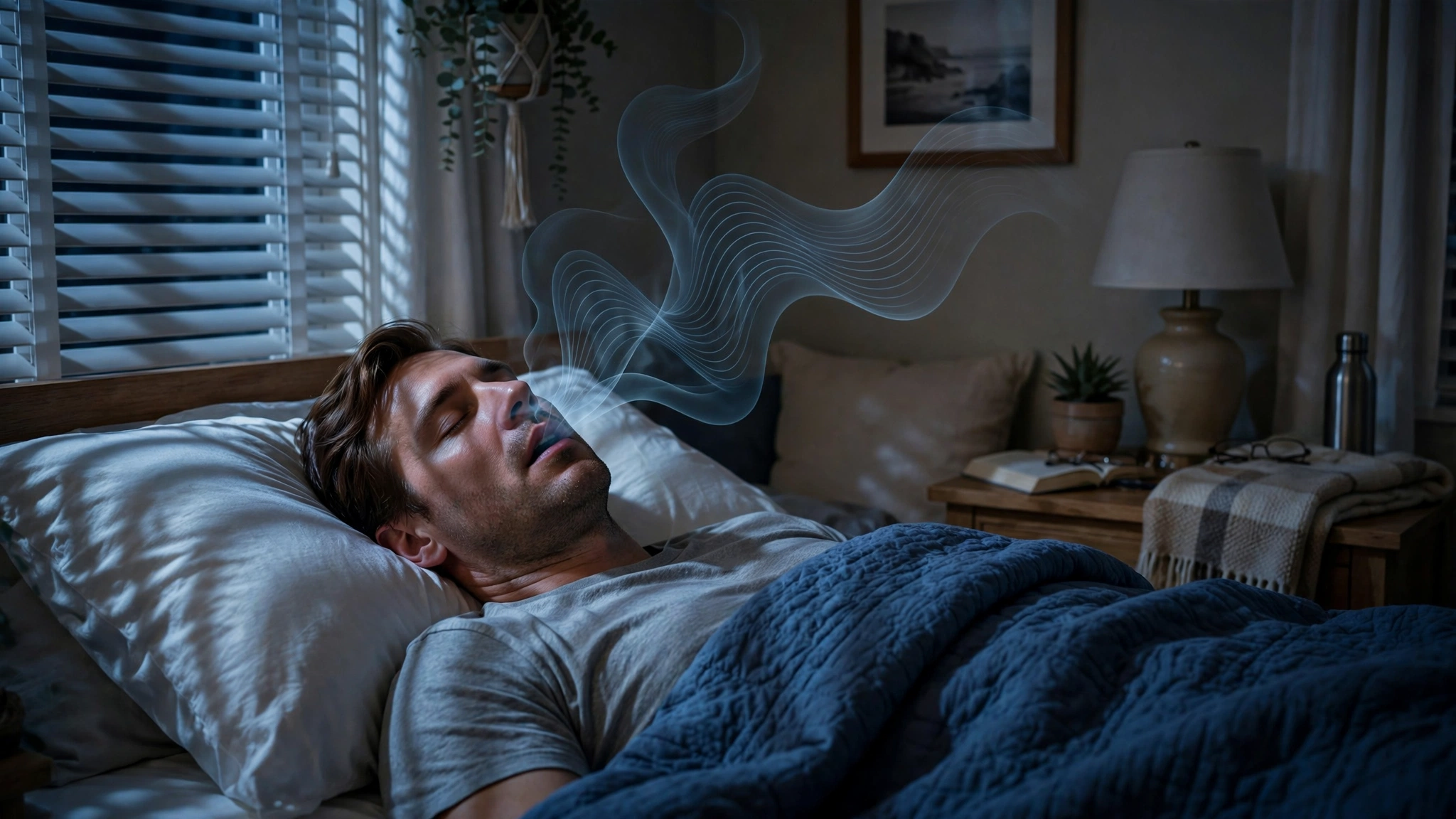
Scroll through TikTok or Instagram late at night and you will eventually meet mouth taping: strips of tape pressed over the lips before bed, promising deeper sleep, less snoring, a stronger jawline, and even better workouts. The videos are confident. The science is a lot less certain, and sleep specialists say the trend deserves a closer look before you tape your mouth shut.
Mouth taping is exactly what it sounds like. You place a strip of porous tape, or a specially sold "sleep strip," vertically or horizontally across your closed lips, forcing yourself to breathe through your nose all night. Fans say nose breathing filters and humidifies air, reduces snoring, and prevents the dry mouth and sore throat that come with sleeping open-mouthed. Sleep specialists say the benefits are mostly anecdotal, and the practice can be risky.
Why nose breathing is genuinely better
To be fair to the trend, one part of the pitch is solid: breathing through your nose is normally better than breathing through your mouth. Your nose warms and moistens incoming air, traps dust and allergens in mucus and tiny hairs, and produces nitric oxide, a gas that helps widen blood vessels and improve oxygen uptake in the lungs. Mouth breathing bypasses all of that, which is why people who sleep with their mouths open often wake up with a parched throat, bad breath, and a higher risk of cavities.
The problem is that mouth taping does not teach your body to breathe through your nose. It just blocks the backup route. If your nose is congested from allergies, a deviated septum, or a cold, tape does not clear the blockage. It only makes it harder to get air.
What the research actually shows
Here is where the hype outruns the evidence. There are no large, high-quality clinical trials showing that mouth taping improves sleep quality in healthy adults. What exists is a handful of small studies, mostly in people with mild sleep apnea who breathe through their mouths.
The most cited study, published in 2022, followed just 20 people with mild obstructive sleep apnea. When they taped their mouths shut, their snoring decreased and their apnea-hypopnea index, a measure of breathing interruptions per hour, improved modestly. It was a small, short study, and the researchers did not test whether taping helped people without sleep apnea sleep better.
Reviews since then have reached the same cautious conclusion: there is weak, preliminary evidence that mouth taping may reduce snoring in some mouth-breathers with mild apnea, and essentially no evidence for the bigger claims on social media, like better athletic performance, a sharper jawline, or deeper sleep for everyone. No mouth tape product is cleared by the U.S. Food and Drug Administration to treat sleep apnea, and no major sleep medicine society recommends mouth taping as a treatment.
That matters because sleep apnea is common and serious. The American Academy of Sleep Medicine estimates that nearly 39 million American adults have obstructive sleep apnea, and most are undiagnosed. Untreated apnea raises the risk of high blood pressure, heart disease, stroke, and daytime car crashes. A strip of tape is not a substitute for diagnosis or treatment.
Who should never tape their mouth shut
Sleep doctors are most concerned about people who tape over a real breathing problem. Do not try mouth taping if any of these apply to you:
You have sleep apnea or suspect you might. Warning signs include loud snoring with pauses in breathing, gasping or choking at night, morning headaches, and daytime sleepiness despite a full night in bed. If a partner has noticed you stop breathing during sleep, see a doctor before experimenting with tape.
Your nose is often blocked. Allergies, chronic sinus congestion, a deviated septum, or nasal polyps mean your nose may not be able to carry your full airflow. Taping over your mouth in that situation can cause panic, poor sleep, and dangerously low oxygen levels.
You drink alcohol or take sedatives or sleep aids before bed. These relax the airway and suppress the reflex to wake up if breathing becomes difficult. Adding tape on top of that is a genuine safety risk.
You have breathing or vomiting risks. Anyone with asthma, chronic lung disease, or a condition that causes nighttime vomiting or reflux should not block their mouth. Children should never be mouth taped, full stop. Pediatric sleep specialists warn that taping a child's mouth can interfere with breathing and development, and it is never recommended for kids.
Even for healthy adults, tape can irritate the skin around the lips, cause anxiety or claustrophobia, and disrupt sleep rather than improve it. If you wake up repeatedly feeling panicked or short of breath, that is your body telling you to stop.
What actually helps you breathe through your nose at night
If your goal is quieter, better sleep, there are options with far stronger evidence and none of the risk:
Treat the congestion first. Saline rinses, allergy medication, and nasal steroid sprays can open a stuffy nose within days. If congestion is constant or only on one side, an ENT doctor can check for a deviated septum or polyps.
Try a nasal strip or dilator. The adhesive strips worn across the nose bridge, familiar from sports broadcasts, mechanically open the nostrils. They will not cure apnea, but they are a safe way to test whether easier nasal airflow reduces your snoring.
Sleep on your side. Back sleeping lets the tongue and soft palate fall backward and narrow the airway. A body pillow can help you stay off your back.
Cut evening alcohol and keep a regular sleep schedule. Alcohol relaxes airway muscles and fragments sleep. The Centers for Disease Control and Prevention notes that about 1 in 3 American adults regularly get less than the recommended seven hours of sleep, and consistent bedtimes do more for sleep quality than any gadget.
Get tested if snoring is loud or you are tired all day. A home sleep study is now simple and often covered by insurance. If apnea is confirmed, proven treatments exist, including CPAP machines, oral appliances fitted by a dentist, and weight management.
The bottom line
Mouth taping sits in that familiar wellness gray zone: a kernel of real physiology, wrapped in claims the evidence cannot support, sold with urgency on social media. For a healthy adult with a clear nose who tries it for a few nights and sleeps fine, the risk is probably low. But it is not a sleep cure, it is not a treatment for sleep apnea, and for anyone with blocked nasal passages, suspected apnea, or nighttime breathing problems, it can be genuinely dangerous.
If you snore loudly, wake up exhausted, or suspect your breathing is the problem, skip the tape and talk to your doctor or a sleep specialist. The fix that actually works is rarely the one trending on your feed.
This article is for general information only and is not medical advice. If you have trouble breathing during sleep, talk to a healthcare professional.
Rao Sajid is the founder and editor of VitalDaily. He covers everyday health topics — nutrition, sleep, fitness and wellness — turning guidance from public-health sources like the CDC, NIH and FDA into plain, practical advice. More about Rao →
📚 Keep reading:

Why You Faint: Causes and When to Call 911
Fainting is common and usually harmless, but sometimes it signals a heart problem. Learn the causes, warning signs, and when to call 911.

Why You Crash After Lunch (and How to Beat It)
That 2 p.m. fog is not laziness. It is your circadian rhythm, your lunch, and your blood sugar colliding. Here is how to beat the afternoon slump.

Why You Get Butterflies in Your Stomach
That flutter before a big moment is not in your head. It is in your gut. Here is the real science behind butterflies, and how to calm them fast.