Pickleball: America's Boom Sport and How to Play It Safely
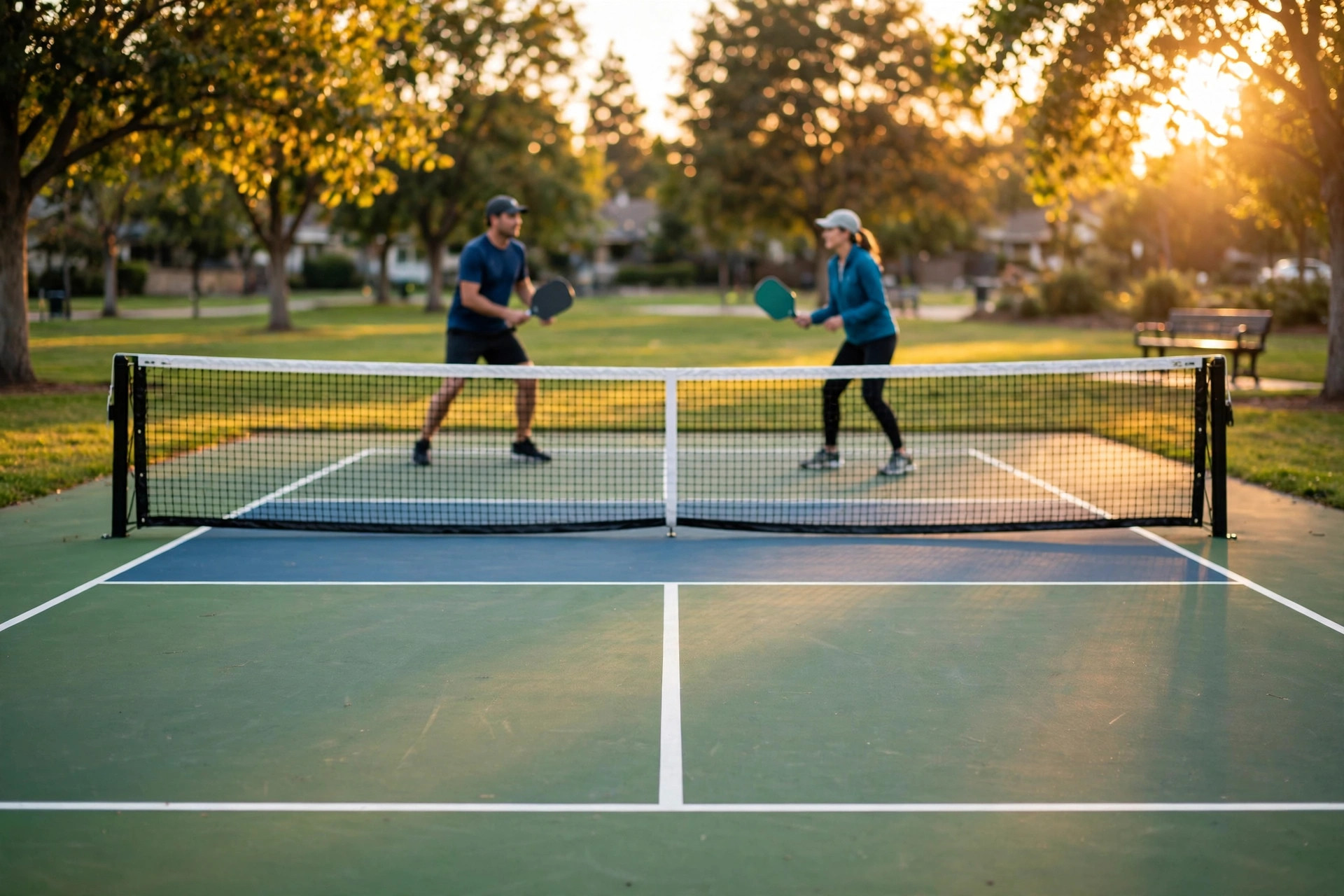
Twenty years ago, pickleball was a punchline — a game played by retirees in Florida retirement communities with paddles that looked like oversized ping-pong bats. Today it's the fastest-growing sport in America, period. According to the Sports & Fitness Industry Association's 2026 participation report, an estimated 24.3 million Americans played pickleball in 2025, up 22.8% from the year before — a nearly fivefold increase since 2020. New courts are being built at a rate of roughly 39 per day, and more than 4,000 tennis courts have been converted to pickleball since 2021.
So is the craze actually good for you? The short answer: yes, remarkably so. The longer answer: it depends on how you play it. Because while pickleball is one of the most accessible workouts ever invented, emergency departments are seeing a parallel boom in pickleball injuries — particularly among the sport's biggest fans, adults over 50.
Why the game is genuinely good exercise
Pickleball is played on a court about a quarter the size of a tennis court, with a plastic ball that travels slower than a tennis ball. That sounds gentle — and it is, relatively. But don't confuse accessible with easy. A typical game involves constant stop-and-go movement: lunging, pivoting, backpedaling, and sprinting a few steps before stopping on a dime. That pattern taxes your cardiovascular system, your leg muscles, and your balance all at once.
The evidence is catching up to the hype. Studies of recreational pickleball play have found that players regularly reach moderate to vigorous exercise intensity — the zone the CDC recommends for heart health (at least 150 minutes of moderate aerobic activity per week). One hour of doubles play can burn roughly 300–400 calories, comparable to a brisk bike ride. Singles players burn even more, often exceeding 500 calories per hour.
The health case gets stronger with age. For older adults, pickleball delivers a rare combination: aerobic conditioning, leg strength, hand-eye coordination, balance training, and — perhaps most important — social connection. Research has repeatedly shown that adults who exercise with others stick with it longer, and the drop-in, doubles-heavy culture of pickleball makes it one of the easiest sports to join midlife or later.
The injury curve nobody talks about
Here's the part the enthusiasts gloss over. A 10-year epidemiologic analysis of U.S. emergency department data found pickleball injuries climbing steadily alongside participation, with injuries concentrated in older athletes. The patterns are consistent across multiple studies:
- Falls cause roughly half of all pickleball-related ER visits. Quick lateral moves and backpedaling are the main culprits.
- Fractures and sprains/strains each account for about a quarter to a third of ER visits. The wrist is the most common fracture site; the lower leg, ankle, and knee are the most common sprain sites.
- Women 60 and older are more than three times as likely to suffer a fracture as men their age, while men are more likely to sustain strains and sprains — especially Achilles tendon and calf injuries.
- A Vanderbilt University study documented a nearly sevenfold increase in pickleball injuries at one Nashville health system between 2017 and 2022.
The most dangerous moment is the beginning. A 2025 study of pickleball-related Achilles tendon ruptures found the average patient was about 64 years old — and 68% of them were injured within their first month of playing, with a third hurt on their very first day. The injury isn't really about pickleball being dangerous. It's about enthusiasm outpacing preparation.
Play the boom sport, skip the boom injury
The good news: the injuries are predictable, which means they're largely preventable. Sports medicine physicians who treat pickleball players recommend the same playbook for anyone over 40 picking up a paddle:
1. Warm up like it matters (because it does)
Five to ten minutes of dynamic movement before play — leg swings, walking lunges, side shuffles, light jogging — plus ankle circles and calf stretches. The Achilles tendon is pickleball's most notorious casualty, and cold tendons rupture far more easily than warm ones. Players over 50 should treat the warm-up as non-negotiable.
2. Build up gradually
The Vanderbilt study's blunt finding: the classic injury patient is someone who went from the couch to playing four or five times a week within a month. Start with one or two sessions per week for the first month, keep rallies social, and let your tendons and joints adapt. If you're already active — running, cycling, strength training — you have a head start, but the lateral movements are still new.
3. Wear court shoes, not running shoes
This is the single most common gear mistake. Running shoes are built for forward motion with a high heel stack; pickleball demands side-to-side support and a lower, more stable platform. Proper court shoes (tennis or volleyball shoes work fine) dramatically cut ankle-roll risk. Replace them when the tread wears smooth.
4. Learn the backpedal rule
More pickleball falls happen during backward movement than any other action. The safer technique: turn and run forward to chase a ball behind you instead of shuffling backward. It's slightly slower and vastly safer. Experienced players do this instinctively; beginners don't.
5. Strengthen the weak links
The muscles that fail in pickleball are the calves, the glutes, and the core — the machinery that stabilizes quick changes of direction. Two to three sessions per week of simple bodyweight work (calf raises, glute bridges, planks, lateral band walks) will do more for your injury odds than any paddle upgrade. For wrist fractures, there's no substitute for learning to fall safely: tuck your chin, avoid bracing with an outstretched arm.
6. Know when you're done for the day
Fatigue is a fall multiplier. Most recreational injuries happen in the second or third hour of play, when legs are tired and reaction time fades. Set a time limit before you start, hydrate, and treat exhaustion as a signal — not a badge of honor.
The verdict
Pickleball earned its boom. It's affordable (most public courts are free), social, genuinely aerobic, and friendly to joints in a way running never will be. For the millions of Americans — especially adults over 50 — who found a reason to move again because of this game, that's a public health win.
Just respect the learning curve your body needs. The paddle is light. The court is small. Your first month, though, is the real test — and passing it is mostly a matter of warming up, wearing the right shoes, and resisting the urge to play like it's the tournament finals on day three. Do that, and America's fastest-growing sport can also be one of its healthiest.
Medical disclaimer: This article is for informational purposes only and is not medical advice. If you have a heart condition, joint problems, or haven't exercised regularly, check with your doctor before starting pickleball or any new sport.
📚 Keep reading:
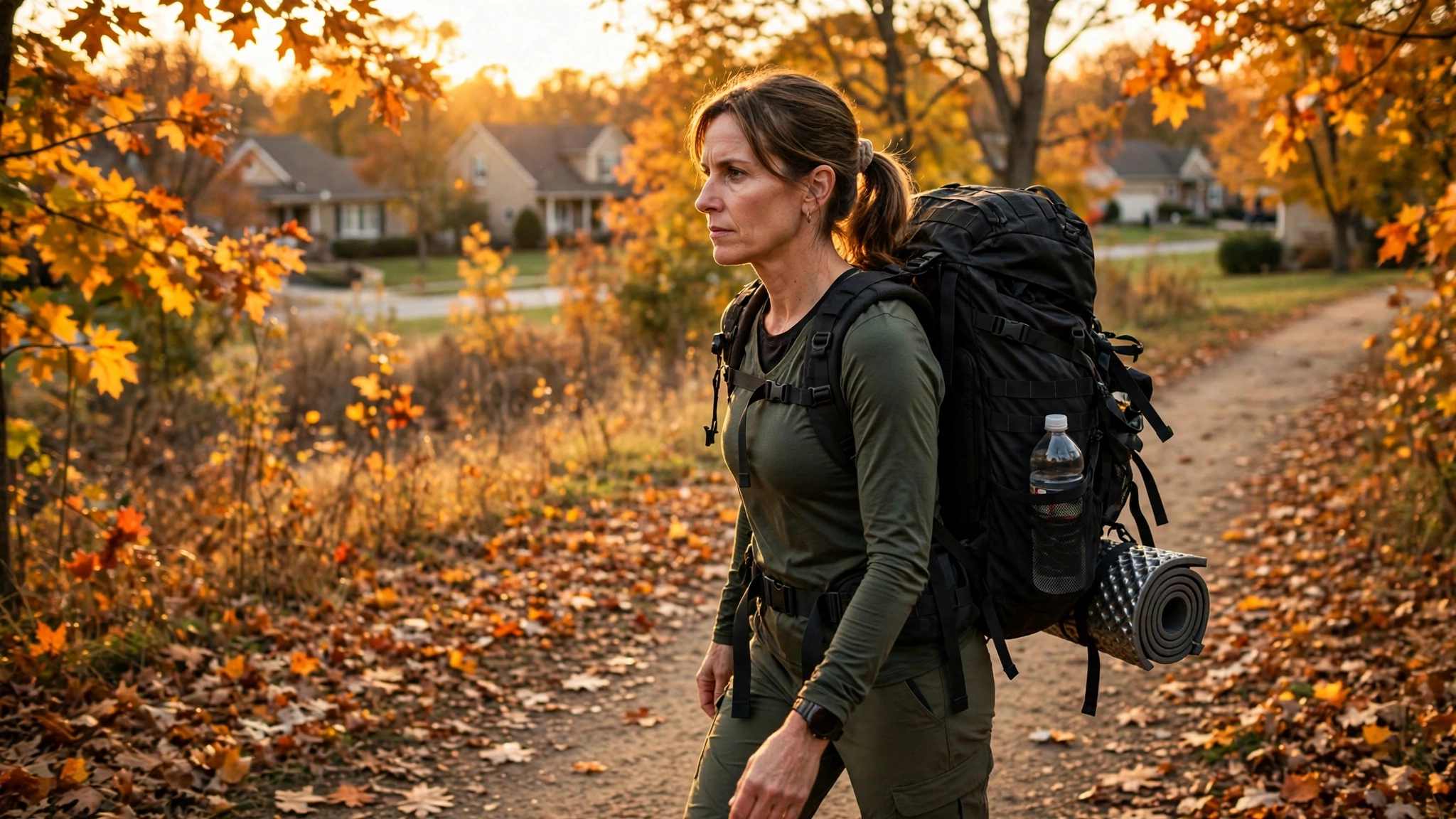
Rucking: Turn Your Walk Into a Full-Body Workout
Rucking is walking with a weighted backpack — and research suggests it burns more calories, builds leg strength, and supports bone density. Here's how to start safely.
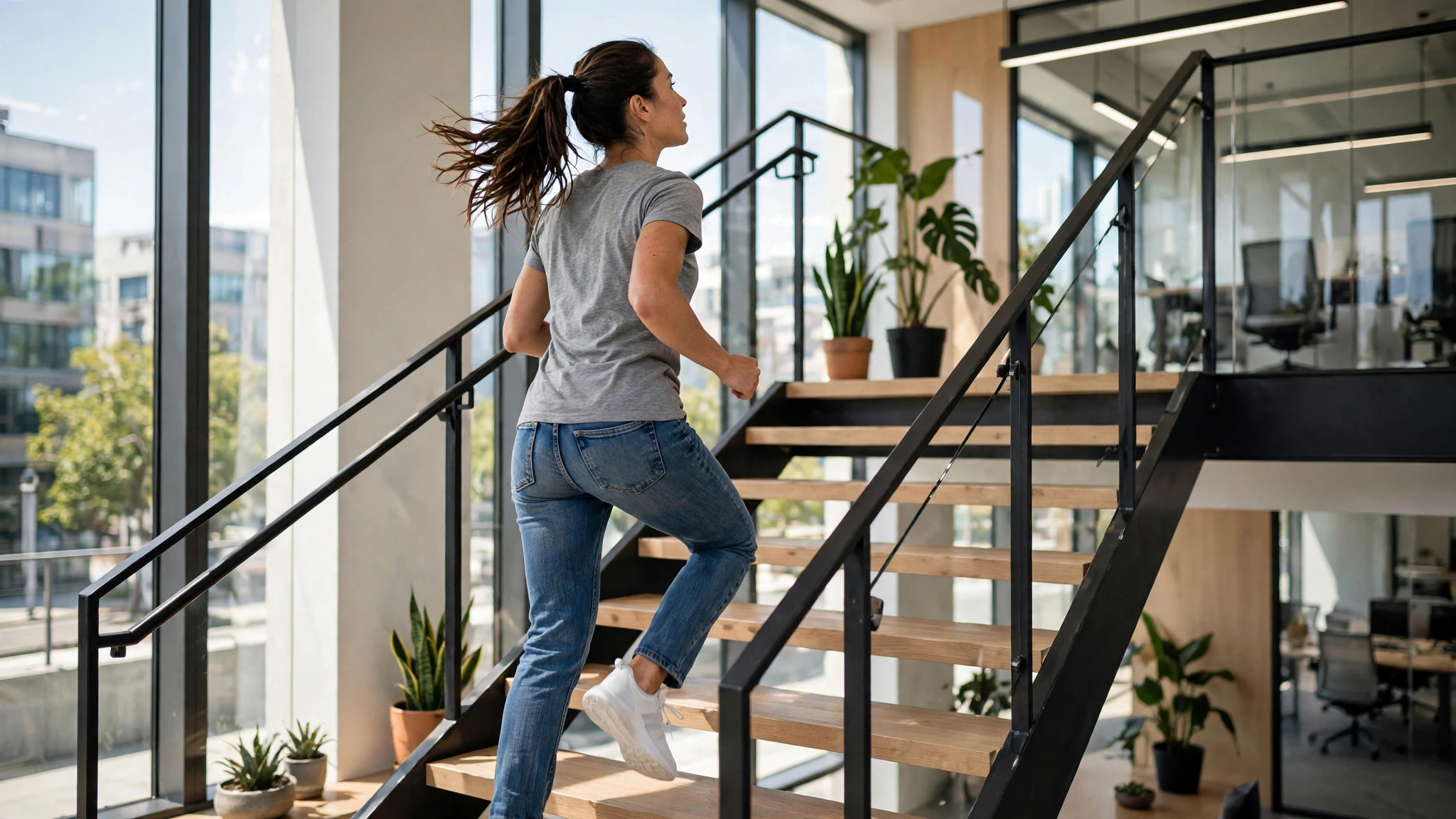
Climbing 5 Flights of Stairs Daily Cuts Heart Disease Risk
A Tulane study of 458,000 adults found climbing 5+ flights of stairs a day was linked to ~20% lower heart disease risk. No gym needed — here's the science.

The 26-Minute Power Nap: What Science Really Says
NASA found a 26-minute nap boosted pilot alertness 54% and performance 34%. With 1 in 6 Americans exhausted, here's the science of the perfect power nap.