Pickleball Injuries: How to Play America's Boom Sport Safely

Nearly 20 million Americans now play pickleball. It is the fastest-growing sport in the country for the fourth year running, and for good reason: the court is small, the rules are easy to learn, and the social scene is half the fun. Retirement communities from Florida to Arizona have practically made it the official sport of active aging.
But there is a flip side to the boom. Emergency room visits tied to pickleball have nearly quadrupled since 2018, rising from an estimated 8,304 to almost 33,000 a year, according to a ValuePenguin analysis of federal injury surveillance data. And older adults are taking the hardest hits — literally. Adults 50 and older account for more than 83% of pickleball-related ER visits.
None of that means you should hang up the paddle. The sport is still far safer than football or basketball, and most pickleball injuries are minor — about 82% of ER cases are treated and released the same day. But a little respect for what the game actually demands goes a long way. Here is what the research shows about how players get hurt, and how to keep yourself off the injury list.
Why a "low-impact" game hurts people
Pickleball feels gentle. There is no running the length of a field, no contact, no leaping for rebounds. That is exactly the trap.
The game demands sudden lateral movements, quick stops, and explosive changes of direction — the same mechanics that tear ACLs in tennis and basketball, just on a smaller court. Add the kitchen (the no-volley zone near the net), which forces players to lunge forward and reach backward from awkward stances, and you have a recipe for falls. Falls, slips, and trips account for 43% of pickleball ER visits, making them the single most common injury mechanism.
Then there is the player profile. The average serious pickleball player is in their 60s, and many took up the sport after years — or decades — of inactivity. Bones are less dense, tendons are less elastic, and reflexes are slower than they were at 30. A hard fall on an unforgiving court surface at 65 does not end the way it does at 25.
The injuries doctors see most
Fractures
Fractures are the single most common pickleball injury diagnosis, accounting for nearly 24% of ER visits. Wrist fractures top the list — the classic result of throwing out a hand to break a fall. In players 60 and older, hip and pelvis fractures are also common, and they are the injuries that carry the longest recoveries.
Nearly 70% of pickleball fractures happen to women, according to NEISS data analyzed by researchers. Lower bone density plays a role, which is why many orthopedic surgeons now tell their pickleball-playing patients to ask their doctors about bone density screening.
Strains and sprains
Strains and sprains make up about 22% of ER visits. The usual suspects: calf strains from sudden pushes off the line, Achilles tendonitis and ruptures (the dreaded "pop in the back of the ankle"), ankle sprains from rolling on quick cuts, and rotator cuff strains from overhead smashes. A 2025 survey of nearly 1,800 players found that over a single year, 68.5% reported some physical complaint tied to play — most of them these kinds of soft-tissue injuries.
Eye injuries
This is the emerging concern. A 2025 study in JAMA Ophthalmology estimated about 3,112 pickleball-related eye injuries nationally from 2005 to 2024 — including roughly 1,262 in 2024 alone, with cases climbing by an estimated 405 per year. The culprits: being hit by a ball (43% of cases), a paddle (12%), or falling (28%). Serious cases have included retinal detachments and orbital fractures. About 70% of victims are over 50.
Yet fewer than 40% of amateur players who wear any eyewear on court use actual protective eyewear, according to a 2026 follow-up study. Regular glasses offer some protection; proper sports-rated eyewear is better.
How to protect yourself on the court
1. Warm up like it matters — because it does
Most recreational players walk straight from the parking lot to the baseline. That is how calf muscles and Achilles tendons get injured. Spend five minutes before play on leg swings, walking lunges, ankle circles, and a light jog or brisk walk. A study-backed dynamic warm-up cut injury rates nearly in half in comparable racket sports.
2. Learn to fall better — or better yet, not at all
Since falls drive the ER numbers, fall prevention is injury prevention. Court shoes with real lateral support (not running shoes, which are built for forward motion and tip too easily on side cuts) are the single best equipment upgrade. Keep the court dry, avoid playing on wet surfaces, and know your balance limits: if you are winded and off-balance at the net, let the ball go. No point is worth a fractured wrist.
3. Strengthen the weak links
Two 10-minute sessions a week of targeted strength work pay outsized dividends: calf raises and eccentric heel drops for the Achilles, single-leg balance drills for ankle stability, and light rotator cuff exercises for the shoulder. Bone-strengthening matters too — weight-bearing exercise and adequate calcium and vitamin D help protect against the fractures that fill ERs.
4. Wear eye protection
This is the cheapest insurance in pickleball. Polycarbonate sports glasses cost less than a good paddle and guard against the fastest-rising injury category in the sport. If you already wear prescription glasses, talk to your optometrist about sports-rated lenses; regular frames can shatter on impact.
5. Respect the ramp-up
The data shows beginners and the deconditioned get hurt most. If you are new or returning after a long break, start with shorter sessions — 45 minutes instead of two hours — and play two or three times a week rather than daily. Tendons adapt to load, but only if you give them time. The 68% of surveyed players reporting yearly complaints are largely the ones who went from zero to daily play in a month.
6. Watch for warning signs, not just injuries
The federal data turned up a sobering detail: exertional chest pain and cardiovascular events show up in the injury reports, particularly among players over 60. Pickleball is real exercise — rallies spike the heart rate. If you have risk factors for heart disease, get checked before you play hard, and take chest pain, unusual shortness of breath, or dizziness seriously on the court.
The bottom line
Pickleball earned its boom honestly. It gets millions of Americans moving, laughing, and socializing — all things that extend healthy life. The injury numbers are rising mostly because the player numbers are rising, not because the sport is inherently dangerous.
The playbook is simple: proper court shoes, a real warm-up, gradual ramp-up, eye protection, and honest respect for your body's limits. Do those five things and the odds shift decisively in your favor. The paddle stays in your hand, and the ER stays out of your weekend plans.
This article is for informational purposes only and is not medical advice. Talk to your healthcare provider before starting a new exercise program, especially if you have a heart condition, osteoporosis, or other health concerns.
Rao Sajid is the founder and editor of VitalDaily. He covers everyday health topics — nutrition, sleep, fitness and wellness — turning guidance from public-health sources like the CDC, NIH and FDA into plain, practical advice. More about Rao →
📚 Keep reading:

Japanese Interval Walking: The 30-Minute Routine That Works
Forget 10,000 steps. A Japanese study found 30 minutes of alternating fast and slow walking beats steady walking for fitness, blood pressure, and leg strength.

Always Hungry? Your Appetite Hormones Explained
You just ate, yet your stomach is growling again. Constant hunger is rarely about willpower — it's ghrelin, leptin, sleep, and blood sugar. Here's how to fix it.
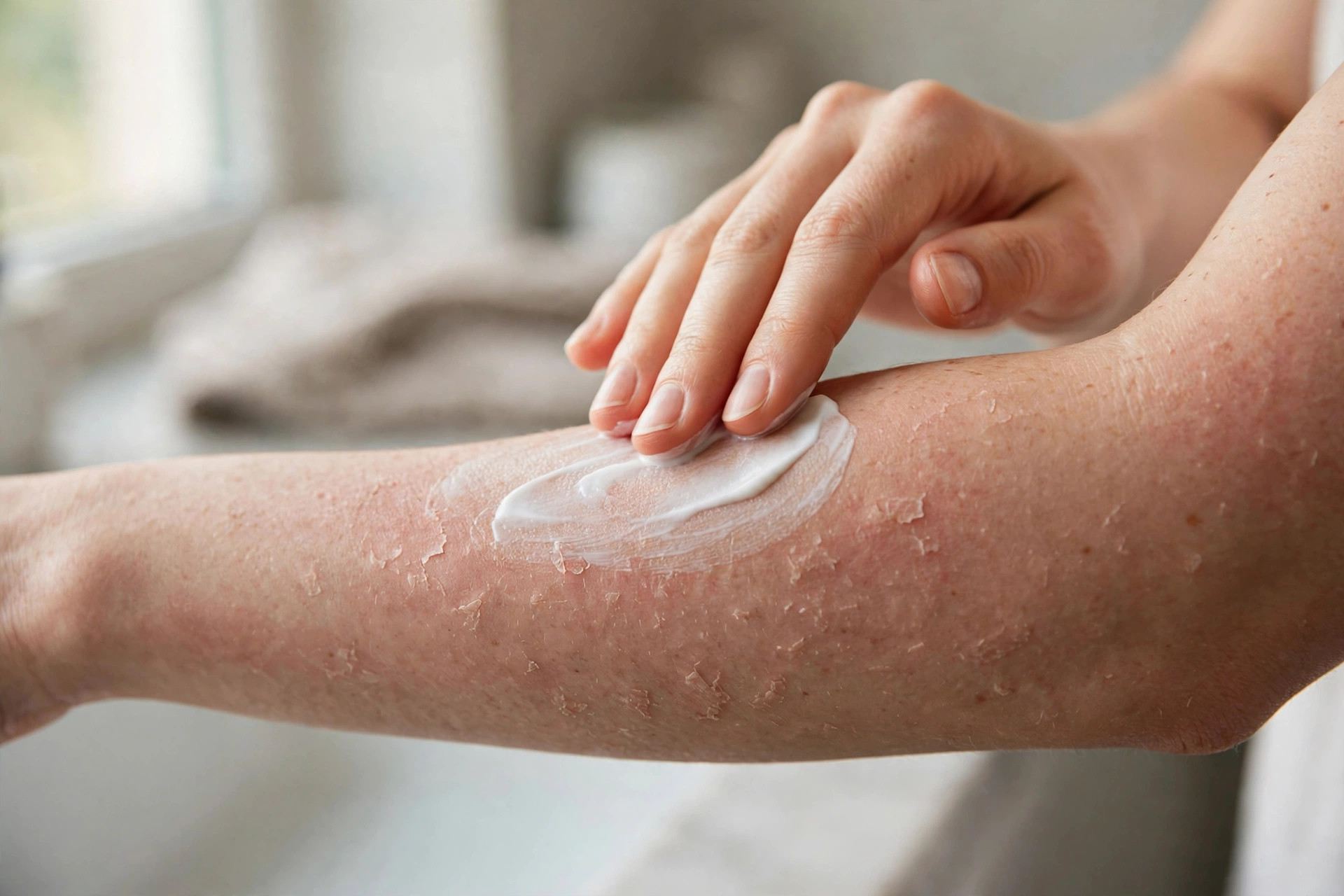
Eczema: Why Your Skin Flares and What Actually Helps
October is Eczema Awareness Month. About 1 in 10 Americans will deal with eczema — here is what triggers flares and what dermatologists actually recommend.