Why Your Fingers Turn White in the Cold (Raynaud's)
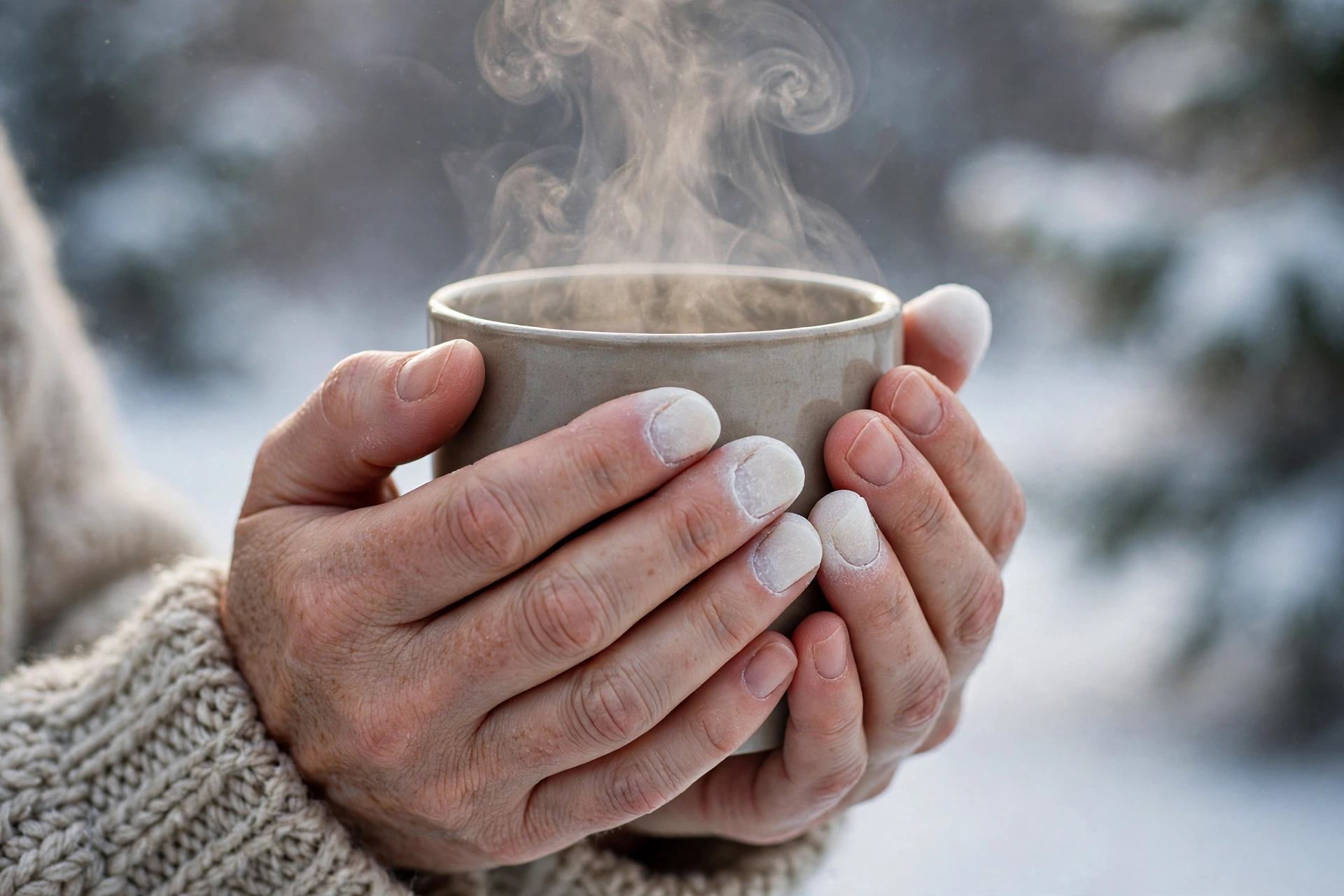
You are halfway down the frozen-food aisle when you notice it: two of your fingertips have gone ghostly white and numb. Ten minutes later, back in the warm car, they flush an angry red and throb like you slammed them in a door.
If that scene feels familiar, you may be one of the roughly 5 percent of Americans living with Raynaud's phenomenon — an exaggerated overreaction of the blood vessels in your fingers and toes to cold or stress. It looks alarming and can be genuinely painful, but for most people it is manageable once they understand the triggers.
What Raynaud's actually is
Your body keeps your core warm in the cold by narrowing the small arteries in your extremities — a normal reflex called vasoconstriction. In Raynaud's, that reflex goes into overdrive. The tiny arteries supplying your fingers (and often toes) clamp down far harder and longer than they should, temporarily starving the tissue of blood. Doctors call these episodes vasospastic attacks.
Attacks can be triggered by surprisingly mild cold — a blast of air conditioning, holding an iced coffee, a cold steering wheel on a November morning. Emotional stress can set one off too, even in a warm room, because adrenaline also tells blood vessels to constrict.
The telltale color change: white, blue, red
The classic Raynaud's attack follows a sequence so distinctive that doctors diagnose it largely by description:
- White (pallor). Blood flow shuts down and the fingers turn stark white. They may feel numb, cold, and oddly waxy to the touch.
- Blue (cyanosis). As oxygen-depleted blood pools in the tissues, fingers take on a dusky blue or purplish tint.
- Red (rubor). When the spasm releases and blood rushes back, fingers flush bright red — often with throbbing, tingling, or a stinging "pins and needles" sensation as circulation returns.
Not everyone gets all three colors, and the pattern varies. Attacks usually last several minutes and can affect one finger, several, or all of them — sometimes the toes, ears, or tip of the nose as well. Between attacks, the hands look and feel completely normal.
Two types — and why the distinction matters
Primary Raynaud's (also called Raynaud's disease) is the common, milder form. It appears on its own, with no underlying illness driving it. It tends to show up between the ages of 15 and 30, affects women more often than men, frequently runs in families, and rarely causes lasting damage.
Secondary Raynaud's (Raynaud's phenomenon or syndrome) is caused by an underlying condition — most often an autoimmune or connective-tissue disease such as scleroderma, lupus, or rheumatoid arthritis. It tends to appear after age 30, can be more severe, and in rare cases leads to fingertip sores, ulcers, or tissue damage because blood flow is cut off repeatedly. Certain occupations involving vibrating tools — jackhammers, chainsaws — and some medications (including certain migraine drugs and ADHD stimulants) are also linked to secondary Raynaud's.
Most people have the primary form — but secondary Raynaud's deserves a medical workup rather than a shrug.
How to stop an attack fast
When your fingers go white, the goal is simple: get blood flowing again, gently. Try these in order:
- Get somewhere warm — step inside, out of the wind. Even moving from a cold room to a warm one can end an attack.
- Warm your whole body, not just your hands. Your core temperature drives the reflex. Put on a jacket or wrap up in a blanket; warming your torso often restores finger circulation faster than rubbing your hands alone.
- Wiggle and windmill. Wiggle your fingers and toes, then swing your arms in big circles like a windmill — centrifugal force helps push blood back into the fingertips.
- Run warm (not hot) water over your hands, or cup a warm mug. Avoid scalding water on numb skin, which burns easily because you cannot feel the heat properly.
- Do not smoke during an attack — nicotine constricts blood vessels and will prolong it.
The throbbing red phase means blood is returning — uncomfortable, but a sign the attack is ending, not worsening.
Preventing attacks: a cold-weather playbook
You cannot cure primary Raynaud's, but you can make attacks rare and mild:
- Glove up before you go out. Put gloves on before stepping into the cold, not after your hands are already chilled. Mittens keep fingers warmer than gloves because the fingers share heat.
- Keep chemical hand warmers on hand. Pocket-sized warmers (the kind hunters and football fans use) are cheap insurance for long cold exposure.
- Dress for your core. A warm hat and insulated torso matter as much as handwear — when your core is warm, your body stops sacrificing your fingers.
- Beware indoor cold traps. The freezer aisle, air-conditioned offices, and holding cold drinks all count. Keep a light pair of gloves in your bag year-round.
- Quit smoking and go easy on caffeine. Nicotine is a vasoconstrictor; heavy caffeine intake can trigger attacks in sensitive people.
- Move regularly. Aerobic exercise — brisk walking, cycling, swimming — improves overall circulation and seems to reduce attack frequency.
- Manage stress. Since adrenaline can trigger attacks, the usual stress tools (regular sleep, breathing exercises, downtime) pull double duty here.
When white fingers deserve a doctor's visit
Primary Raynaud's is a nuisance; secondary Raynaud's can signal something that needs treatment. See your doctor — ideally a rheumatologist — if you notice any of these:
- Attacks started after age 30, or are getting markedly worse
- Attacks are asymmetric — only one hand, or one or two fingers while the rest stay normal
- You develop sores, cracks, or ulcers on your fingertips that heal slowly
- Your fingers swell, or the skin on your hands thickens or tightens
- You also have joint pain, unexplained rashes, dry eyes or dry mouth, or unusual fatigue — possible clues to an autoimmune condition
Diagnosis is usually straightforward: your description of the color changes plus a physical exam. If secondary Raynaud's is suspected, doctors may examine the tiny blood vessels at your nail beds with a magnifier (nailfold capillaroscopy) and order blood tests such as ANA to look for autoimmune markers.
For severe or frequent attacks, doctors can prescribe calcium channel blockers (such as nifedipine), which relax blood-vessel walls and reduce the spasms. These are reserved for cases where lifestyle measures fall short — most people with primary Raynaud's never need them.
The bottom line
Fingers that turn white in the cold are not just "bad circulation" — they are your blood vessels overreacting to a trigger, and the white-blue-red sequence is the signature of Raynaud's phenomenon. For most people it is the harmless primary form: annoying, sometimes painful, but controllable with warmth, gloves, exercise, and ditching the cigarettes.
So this winter, glove up before you head out, keep a hand warmer in your coat pocket, and warm your core first. And if your attacks started late, strike one side only, or leave sores behind — get checked.
Rao Sajid is the founder and editor of VitalDaily. He covers everyday health topics — nutrition, sleep, fitness and wellness — turning guidance from public-health sources like the CDC, NIH and FDA into plain, practical advice. More about Rao →
📚 Keep reading:
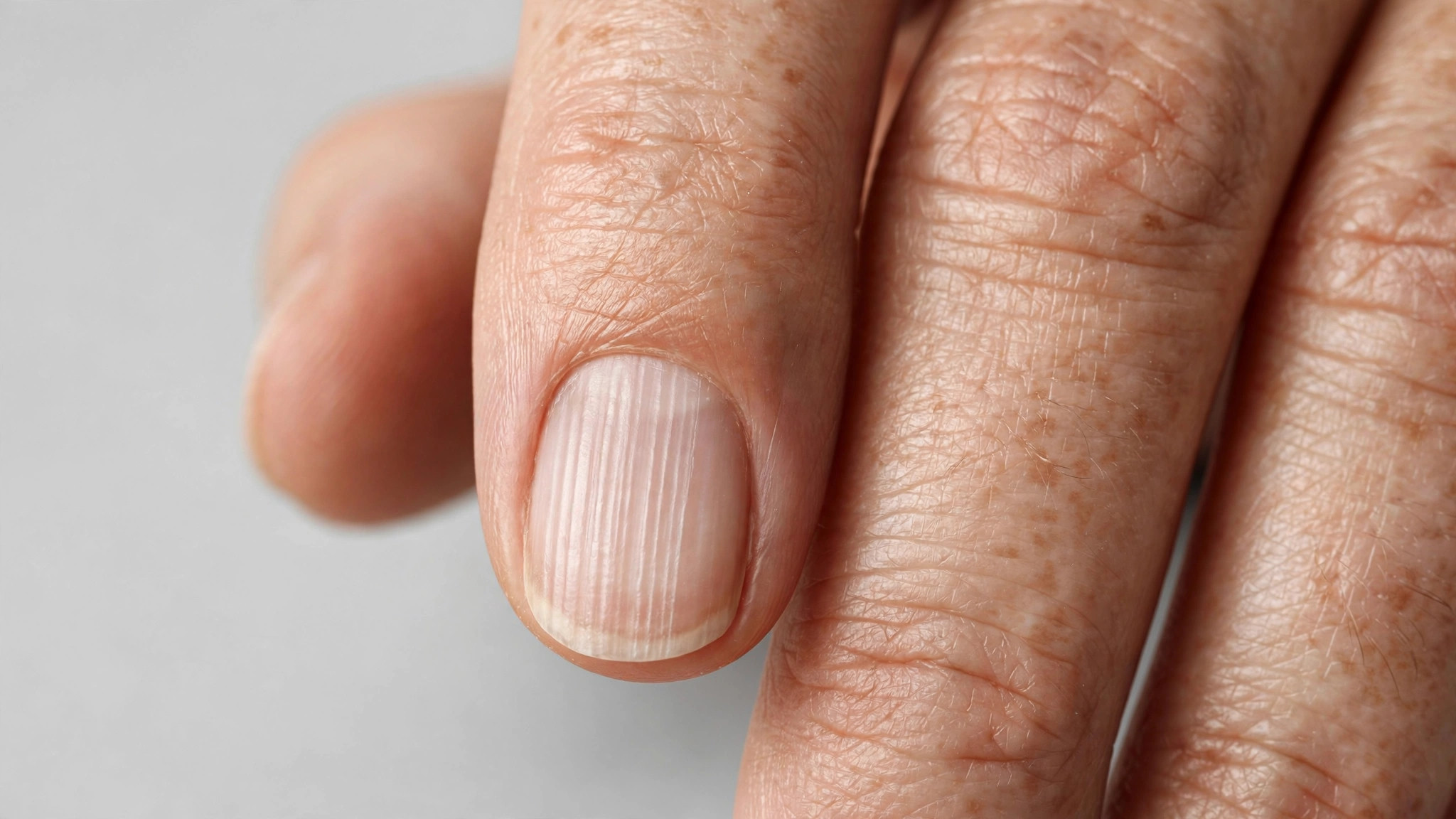
Why Your Fingernails Have Ridges — and When to Worry
Those fine lines running down your nails are one of the most common changes dermatologists see. Here is what vertical ridges, horizontal grooves, and other nail changes can mean for your health.

Peeing All Night? Why It Happens and How to Stop It
Waking up twice or more to pee has a medical name — nocturia — and it affects about 50 million Americans. Here is what causes it and what actually helps.
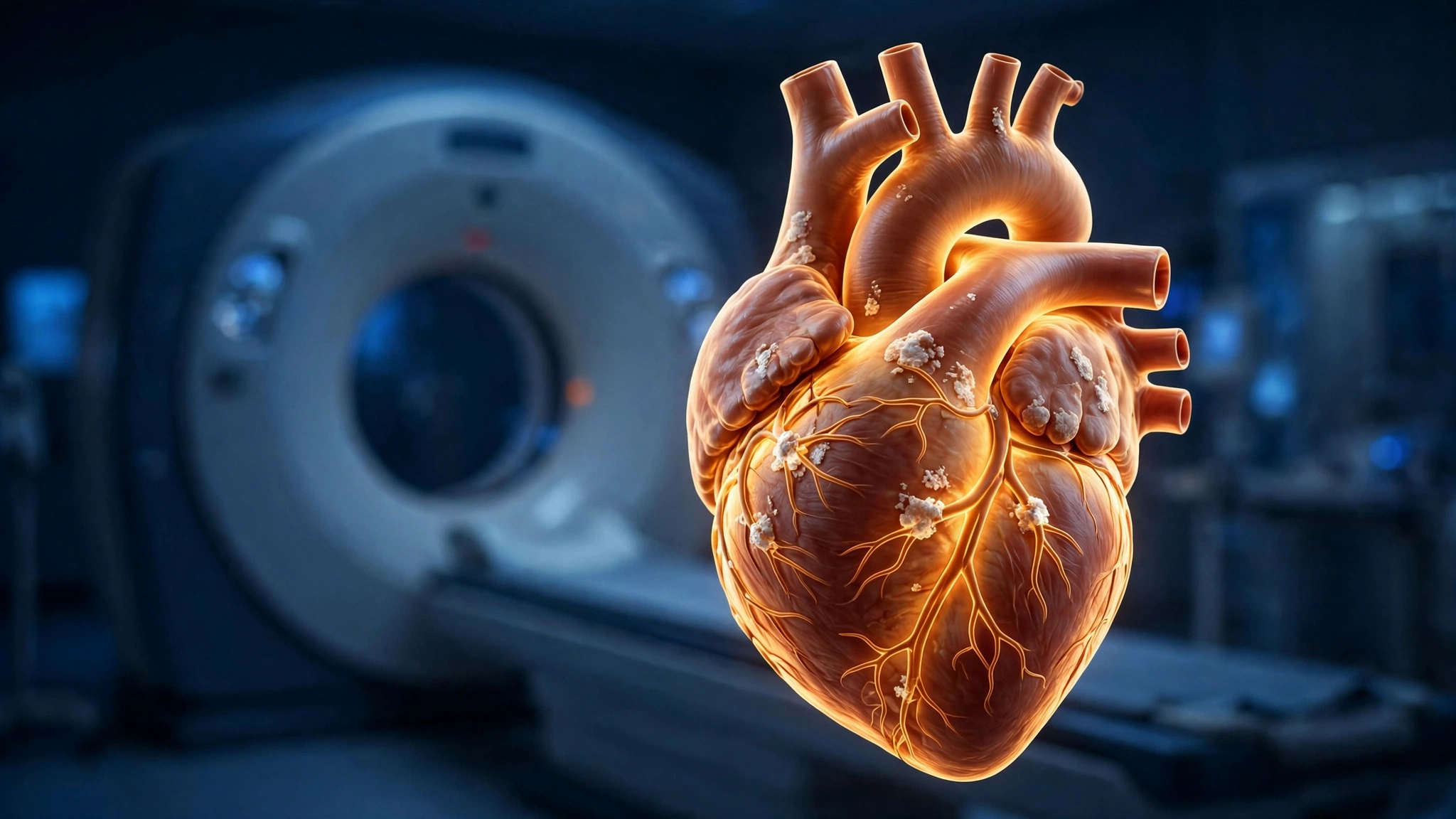
Calcium Score Test: The Heart Scan That Predicts Risk
A calcium score test is a 10-minute CT scan that reveals hidden plaque in your heart arteries. Here is who should get one, what the numbers mean, and what it costs.