Shingles Vaccine: Why Every American Over 50 Needs It

If you had chickenpox as a kid, the virus never actually left your body. It has been quietly hiding in your nerves for decades — and after age 50, it gets its chance to come back.
That comeback is called shingles. It strikes about 1 in 3 Americans in their lifetime, and roughly 1 million Americans get it every year. For many, it means weeks of burning, blistering pain. For some, the nerve pain lingers for months or years after the rash is gone.
Here is the good news: there is a vaccine that prevents it, and it works remarkably well. The shingles vaccine, Shingrix, is more than 90% effective at preventing shingles and its worst complication. Yet millions of eligible Americans still have not gotten it.
If you are 50 or older — or you care for someone who is — this is one of the highest-value health moves you can make this year.
What Shingles Actually Is
Shingles is caused by the varicella-zoster virus, the same virus that causes chickenpox. After a childhood chickenpox infection, the virus retreats into nerve roots near the spinal cord and brain, where it stays dormant for life.
As you age, your immune system weakens — a natural process called immunosenescence. Stress, illness, and certain medications can weaken it further. When your defenses drop far enough, the virus can reactivate, travel down a nerve, and erupt as shingles.
What Shingles Feels Like
Shingles usually begins with pain, burning, tingling, or itching on one side of the body, often around the torso. Within a few days, a painful, blistering rash appears in a stripe-like band — it almost never crosses the midline of the body. The rash typically scabs over in 7 to 10 days and clears within 2 to 4 weeks.
That timeline sounds manageable. The pain often is not. People describe it as burning, stabbing, or electric-shock pain, and even light touch from clothing can be excruciating. Shingles on the face is especially serious: if it affects the eye, it can cause vision loss.
The Complication That Can Last for Years
The most common and feared complication of shingles is postherpetic neuralgia (PHN) — persistent nerve pain in the area where the rash occurred, lasting months or even years after the skin heals. About 10 to 18% of people who get shingles develop PHN, and the risk climbs sharply with age.
PHN is not a mild ache. It can make sleep, dressing, and everyday touch painful, and it is notoriously hard to treat once established. Prevention — not treatment — is the real answer, which is exactly why the vaccine matters so much.
How Well Does the Shingles Vaccine Work?
The CDC recommends Shingrix for all adults age 50 and older, and for adults 19 and older with weakened immune systems. It replaced an older vaccine, Zostavax, which was far less effective and is no longer used in the United States.
Shingrix is a two-dose series, given 2 to 6 months apart. In clinical trials, it was more than 90% effective at preventing shingles in adults 50 and older, about 90% effective at preventing postherpetic neuralgia, and still about 85% effective in the first four years after vaccination in adults 70 and older.
Those numbers are unusually strong for an adult vaccine — far better than the flu shot in a typical year. And unlike some vaccines, Shingrix is not a live vaccine, so it cannot cause shingles and is safe for most people with weakened immune systems.
What About Side Effects?
Shingrix has a reputation for a sore arm, and it is earned. Most people experience some soreness, redness, or swelling at the injection site, and about half report fatigue, muscle aches, headache, or a low-grade fever for a day or two after each dose. The second dose tends to cause stronger side effects than the first.
That is actually a sign the vaccine is working: your immune system is mounting a strong response. The discomfort is temporary — usually gone within 2 to 3 days — and it is nothing compared to weeks of shingles pain.
Serious side effects are rare. The Food and Drug Administration (FDA) and CDC monitor vaccine safety continuously, and Shingrix has been given to tens of millions of Americans since its approval in 2017 with a strong safety record.
Do You Need It If You Already Had Shingles?
Yes. Having shingles once does not make you immune — you can get it again, and repeat episodes can be worse. The CDC recommends the vaccine even if you have already had shingles, once the rash has fully cleared. Wait until the episode is over, then get vaccinated.
You also need it even if you are unsure whether you had chickenpox, and even if you got the old Zostavax vaccine years ago. Shingrix is recommended regardless of prior Zostavax — the older shot's protection has largely faded.
What It Costs
For most Americans, cost should not be a barrier. Under the Affordable Care Act, most private insurance plans, Medicare Part D, and Medicaid cover the full Shingrix series with no copay when given at an in-network pharmacy or clinic.
How to Get Vaccinated This Week
- Check your eligibility. Age 50 or older? You qualify. Age 19 to 49 with a weakened immune system? You qualify too.
- Call your pharmacy. Most CVS, Walgreens, Walmart, and independent pharmacies offer Shingrix on a walk-in basis, and many let you book online in under two minutes. No separate doctor visit is required in most states.
- Plan for a light day. Schedule your shot before a day when you can rest, and keep ibuprofen or acetaminophen on hand.
- Finish the series. One dose gives partial protection. The second dose, 2 to 6 months later, is what locks in the 90%+ effectiveness. Set a phone reminder now.
Who Should Wait or Ask First
Most adults should get Shingrix, but a few situations call for a conversation first:
- Currently sick with shingles: wait until the rash is completely gone.
- Pregnant or breastfeeding: the vaccine is not routinely recommended; discuss with your doctor.
- Moderate or severe acute illness: wait until you recover.
If you are immunocompromised, Shingrix is generally still recommended — in fact, you are at higher risk from shingles — but your doctor may want to time it around your treatment.
The Bottom Line
Shingles is common, painful, and sometimes permanently damaging. The vaccine is safe, highly effective, widely available, and usually free. It is one of the clearest wins in preventive medicine.
Roughly 1 in 3 Americans will develop shingles, and the odds rise with every birthday past 50. Two shots. Two sore arms. Years of protection. Make the appointment this week.
This article is for general information only and is not medical advice. Talk to your doctor or pharmacist about whether the shingles vaccine is right for you, especially if you have a weakened immune system or a history of severe allergic reactions.
📚 Keep reading:
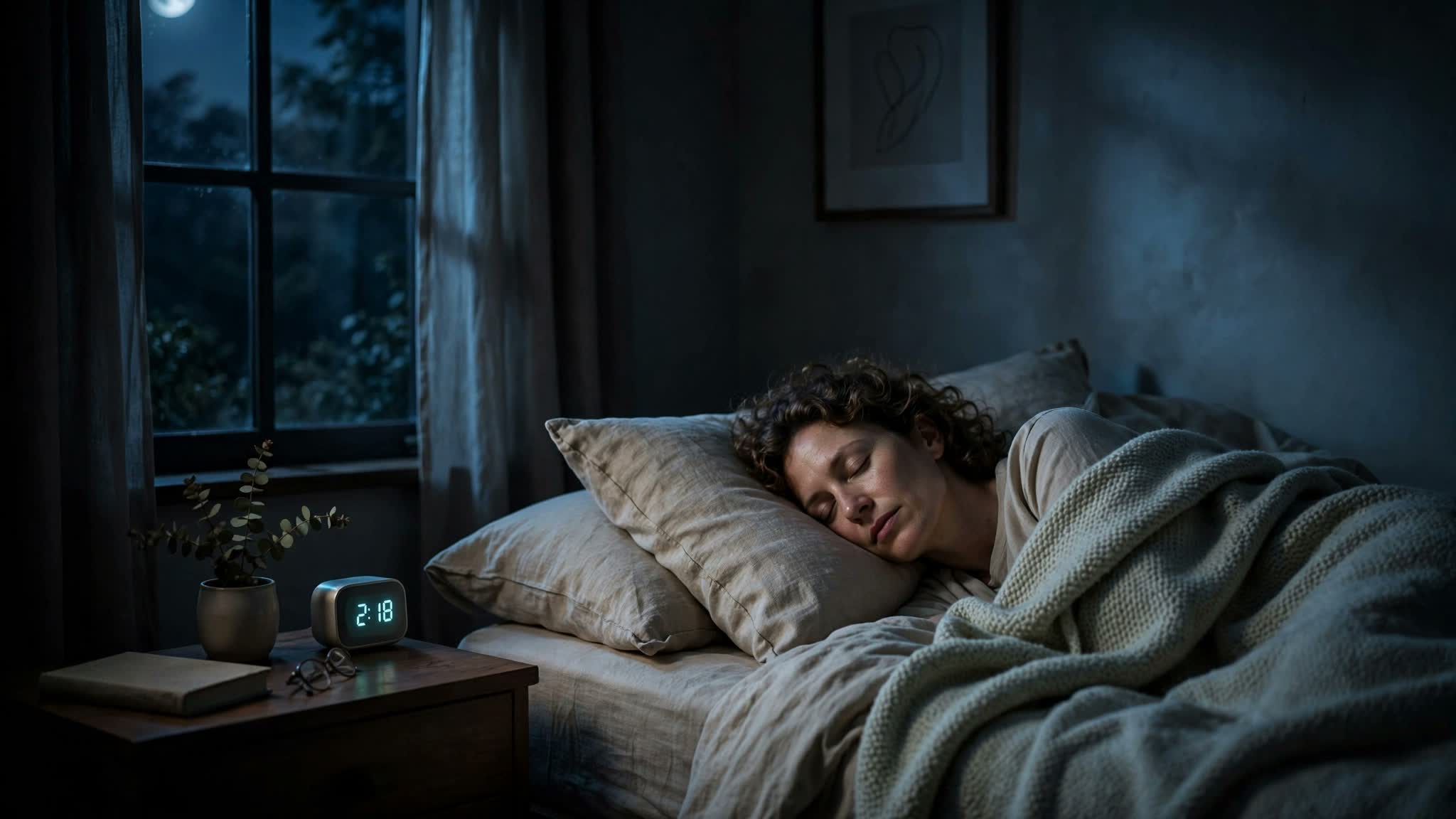
Why You Wake Up at 3 AM — and How to Stay Asleep
Waking at 3 AM night after night is not bad luck. Sleep cycles, stress hormones, alcohol, and blood sugar all play a role — and most of them are fixable.

Bone Density After 50: How to Keep Bones Strong
Half of women and 1 in 4 men over 50 will break a bone from osteoporosis. The good news: bone loss is not inevitable. Here is what actually works.
Lower Back Pain: What Actually Fixes It
About 4 in 5 Americans get lower back pain. Most of it is not dangerous — and bed rest makes it worse. Here is what the evidence says actually helps.