Sleep Apnea: The Silent Threat to American Hearts
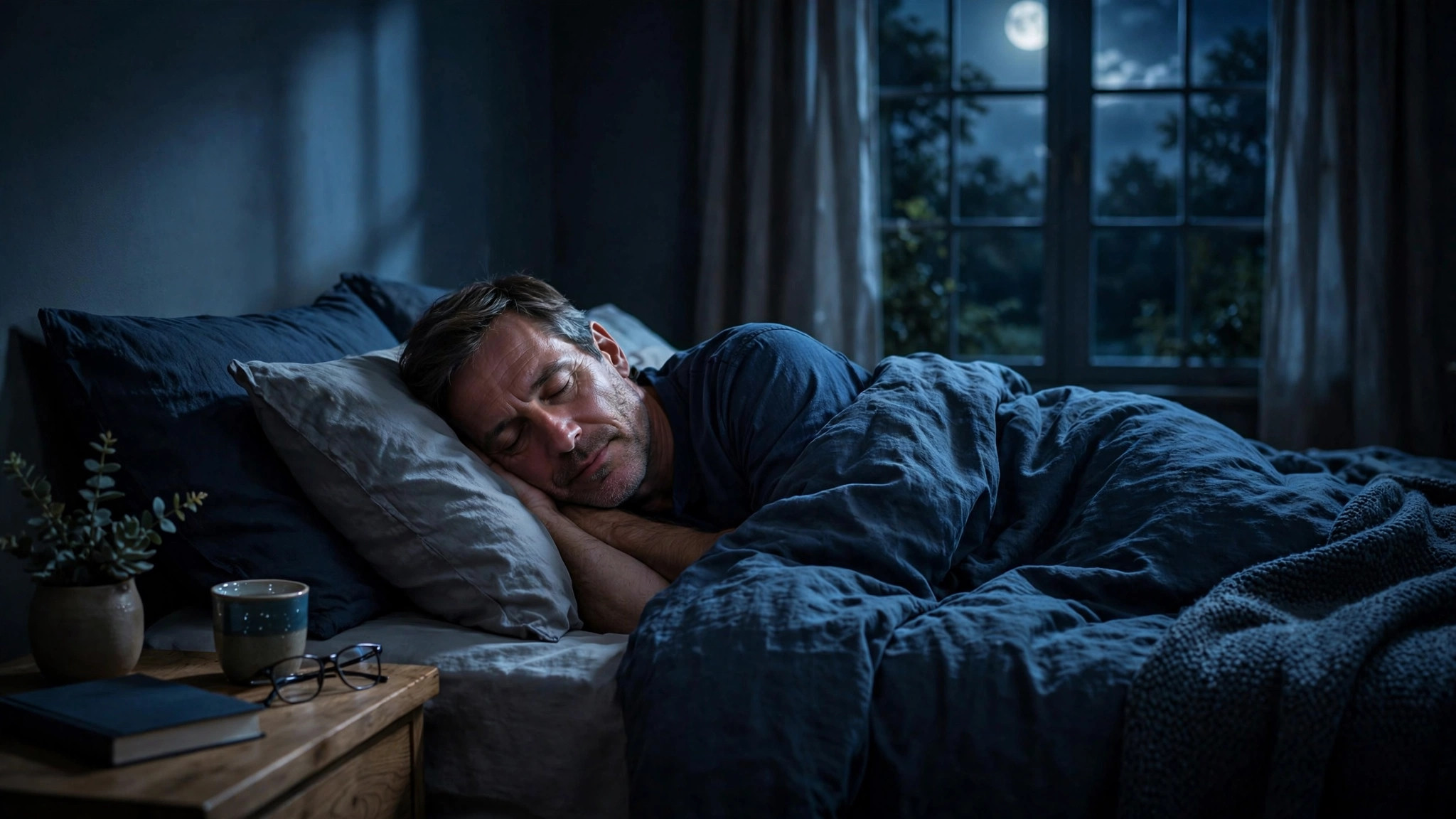
Your partner complains about your snoring. You wake up with a pounding headache. By 3 p.m. you're fighting to keep your eyes open at your desk, even after what should have been eight hours of sleep.
You don't have a sleep problem, you tell yourself. You have a busy life.
But if your snoring is loud enough to hear through a closed door — and especially if you've ever been told you stop breathing in your sleep — you may be part of one of America's biggest undiagnosed health crises: obstructive sleep apnea (OSA).
A condition 30 million Americans have — and most don't know
The American Academy of Sleep Medicine estimates that nearly 30 million U.S. adults have obstructive sleep apnea, and as many as 80 to 90 percent of moderate-to-severe cases are undiagnosed. That's roughly 23 to 27 million people walking around with a condition that repeatedly chokes off their oxygen dozens — sometimes hundreds — of times a night.
Here's what happens: the muscles in the back of your throat relax during sleep, narrowing or closing the airway. Breathing pauses for 10 seconds or longer, oxygen levels drop, and the brain jolts you awake just enough to gasp and resume breathing. Most people don't remember a single one of these awakenings. But a severe case can involve 30 or more interruptions per hour.
Your partner hears the symphony. You feel the fallout.
Why your heart is paying for your snoring
Each apnea event is a mini stress episode. Oxygen dips, blood pressure spikes, the heart works harder. Night after night, year after year, that adds up to real damage:
- High blood pressure. Roughly half of people with OSA also have hypertension, and OSA is one of the most common causes of difficult-to-treat high blood pressure.
- Atrial fibrillation. Untreated sleep apnea significantly raises the risk of AFib — the irregular heartbeat that can trigger strokes.
- Heart failure and stroke. Long-term studies show untreated moderate-to-severe OSA roughly doubles to triples the risk of stroke and increases the risk of heart failure and coronary artery disease.
- Type 2 diabetes. The repeated oxygen drops impair insulin sensitivity. About 40% of people with OSA have abnormal blood sugar, and the conditions reinforce each other.
The cruel part: because daytime sleepiness is so common in a sleep-deprived country, most people blame their exhaustion on everything except their airway.
The 7 warning signs most people ignore
- Loud, nightly snoring — loud enough that someone notices from another room.
- Witnessed breathing pauses — a partner sees you stop breathing or gasp.
- Excessive daytime sleepiness — dozing off watching TV, reading, or sitting in traffic.
- Morning headaches — dull, caused by overnight oxygen dips and CO₂ buildup.
- Waking up unrefreshed despite 7+ hours in bed.
- Nighttime trips to the bathroom — more than twice nightly in men can be an apnea clue.
- Trouble concentrating, irritability, or fading libido.
You're at higher risk if you:
- Are male (men are 2–3 times more likely to have OSA)
- Are over 40
- Carry extra weight (a neck circumference of 17 inches or more for men, 16 inches or more for women is a flag)
- Have a family history of snoring or apnea
- Smoke, drink alcohol in the evening, or sleep on your back
What actually works (and what's just marketing)
1. Get tested — it starts at home
A sleep study is the gold standard, but most initial evaluations today are home sleep tests: a small kit you wear for one to three nights in your own bed. Ask your primary care doctor for a referral to a board-certified sleep physician. The Epworth Sleepiness Scale (a free 8-question quiz) is a useful screening conversation starter.
2. CPAP: the gold standard that actually works
Continuous positive airway pressure (CPAP) — the bedside machine that keeps your airway open with gentle pressurized air — remains the most effective treatment for moderate-to-severe OSA. Modern machines are quieter, smaller, and lighter than the bulky devices people remember. The catch is adherence: research shows the people who use it consistently see real improvements in blood pressure, daytime alertness, and cardiac risk.
Tip: If a mask doesn't fit or feels uncomfortable, say so. Most sleep clinics have fittings, multiple mask styles, and "ramp" settings that ease pressure up gradually. Many people quit CPAP in the first two weeks over a solvable comfort issue.
3. Oral appliances for mild-to-moderate cases
A custom-fitted dental device that holds the jaw slightly forward can keep the airway open — a good option if you can't tolerate CPAP or your apnea is mild. Get it from a dentist trained in sleep medicine, not a boil-and-bite from a drugstore shelf.
4. Positional therapy: free and surprisingly effective
If your apnea is mainly on your back, side-sleeping can cut events dramatically. A tennis ball sewn into the back of a T-shirt (the old-school fix), a body pillow, or a positional trainer can train the habit.
5. Lose weight if you need to — it's the highest-leverage move
Even a 10% weight loss can reduce apnea severity significantly, because fat deposits around the neck and tongue narrow the airway. Weight loss doesn't cure every case — thin people get OSA too — but it's the single biggest modifiable risk factor.
6. Cut evening alcohol and sedatives
Alcohol relaxes throat muscles and can turn mild snoring into serious apnea, even in people who don't have it during alcohol-free nights. Keep drinking to earlier in the evening — or cut it.
What doesn't work
- Nasal strips and nose clips open the nose, not the throat — they may reduce snoring volume slightly but do almost nothing for apnea.
- Over-the-counter "stop snoring" mouthguards and sprays have minimal evidence behind them.
- Essential oils, special pillows, and anti-snore apps don't treat apnea. They may help you notice it, though.
When to call your doctor this week
Don't wait for the perfect moment. Mention sleep apnea to your doctor if you snore loudly and feel tired during the day, if a partner has seen you stop breathing, or if you have high blood pressure that's hard to control. If you fall asleep while driving or at work, treat it as urgent — drowsy driving causes an estimated 100,000 crashes a year in the U.S., and apnea patients are at much higher risk.
Also ask before any surgery: anesthesia and untreated apnea are a risky combination, and every surgical team wants to know about it in advance.
The bottom line
Snoring isn't just annoying — for millions of Americans, it's the audible symptom of a condition silently straining their hearts night after night. The good news: it's one of the most treatable sleep disorders there is. A home sleep test takes a couple of nights. Treatment can change your days within weeks — and your cardiovascular risk for years.
If your nights are loud and your mornings are brutal, don't just buy earplugs for your partner. Get checked.
This article is for general information only and is not medical advice. If you have symptoms of sleep apnea or are concerned about your heart health, talk to your doctor or a board-certified sleep specialist.
📚 Keep reading:

Eat 30 Plants a Week: The Gut-Health Rule Backed by Science
You don't need a new supplement. A massive U.S. study found that eating 30 different plants a week — herbs and spices included — is the simplest path to a healthier gut.

Box Breathing: The 90-Second Navy SEAL Stress Reset
Stress got you wired? Navy SEALs use box breathing to stay calm under fire. Here's how this 90-second technique lowers your heart rate fast.

Beat the Fall Blues: 7 Ways to Fight Seasonal Depression
Feeling low as days get shorter? Seasonal depression affects ~10 million Americans each fall. Here are 7 science-backed ways to lift your mood.