Stroke Warning Signs: Know BE FAST Before It Matters
Picture this: you're having coffee with your spouse on a Saturday morning when one side of their smile suddenly goes slack. Their words come out slurred, as if they've had three drinks before 9 a.m. What do you do?
Every 40 seconds, an American family faces exactly that moment. More than 795,000 people in the United States have a stroke each year — and every 3 minutes and 14 seconds, someone dies of one, according to the American Heart Association's 2026 statistics report. Stroke is the fourth leading cause of death in America and a leading cause of serious long-term disability.
Here is what should change how you think about it: the CDC says up to 80 percent of strokes are preventable. And when one does strike, recognizing it fast can mean the difference between walking out of the hospital and never walking unassisted again. The tool that makes that possible fits in six letters: BE FAST.
What a Stroke Actually Is
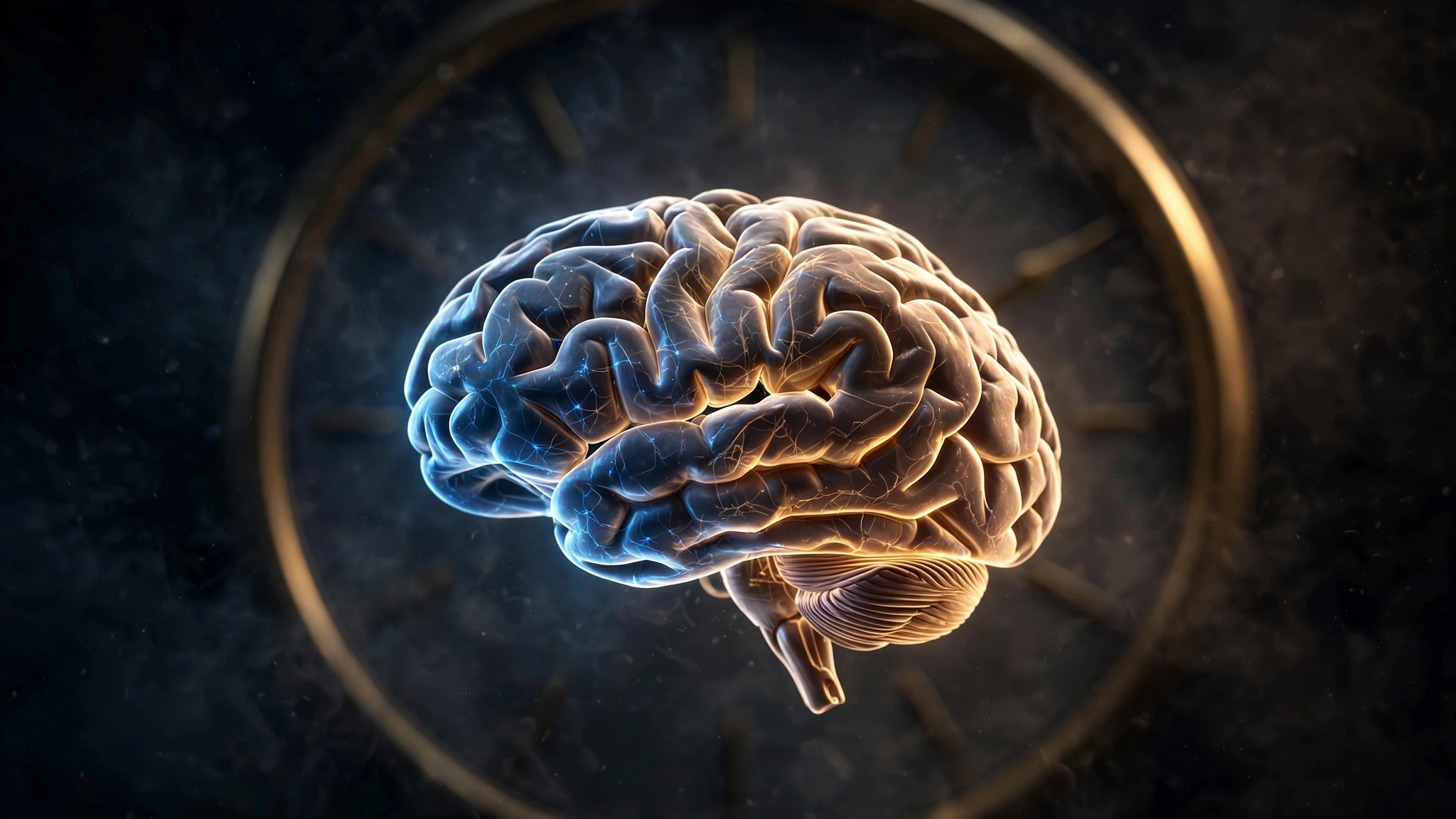
A stroke happens when blood flow to part of the brain is suddenly cut off — or a blood vessel bursts inside the brain. Starved of oxygen, brain cells begin dying within minutes.
About 87 percent of strokes are ischemic: a clot blocks an artery feeding the brain. The rest are hemorrhagic, caused by a vessel rupturing and bleeding into brain tissue. Both are emergencies.
The cruel math: researchers estimate the brain loses roughly 1.9 million neurons for every minute an ischemic stroke goes untreated. Neurologists sum it up in three words — time is brain.
The BE FAST Test: Six Signs That Demand 911
Stroke symptoms strike suddenly — that suddenness is the hallmark. One moment a person is fine; the next, they are not. Memorize these six checks. They take less than a minute, and they save lives.
B — Balance
Sudden dizziness or loss of balance and coordination. If someone abruptly can't stand steady with no explanation, take it seriously.
E — Eyes
Sudden trouble seeing: blurred or double vision, or vision loss in one or both eyes.
F — Face
Ask the person to smile. Does one side of the face droop or go numb? A lopsided smile is a classic visible sign.
A — Arms
Ask them to raise both arms. Does one drift downward? Sudden weakness or numbness on one side of the body is a red flag.
S — Speech
Slurred or garbled speech, or trouble understanding you. Ask them to repeat a simple sentence — "The sky is blue." If they can't say it clearly, that's a warning.
T — Time
Call 911 immediately. Note the exact time symptoms first appeared — that number determines which treatments doctors can still use.
One more sign worth knowing: a sudden, severe headache with no known cause — often described as "the worst headache of my life" — can signal a hemorrhagic stroke. Call 911 for that too.
Why Every Minute Matters
Clot-busting drugs work best within about 4.5 hours of symptom onset, and mechanical clot removal can help selected patients up to 24 hours out. But outcomes worsen with every 15-minute delay — earlier treatment means more brain saved.
Never "wait and see" whether symptoms improve. Nearly one in four strokes each year — about 185,000 — strike people who have already had a previous stroke, the CDC reports. The emergency department would far rather evaluate a false alarm than receive a patient who arrived too late for treatment.
Don't Brush Off a "Mini Stroke"
Sometimes symptoms appear, then vanish within minutes or hours. That's a transient ischemic attack (TIA) — a mini stroke. A clot temporarily blocked blood flow, then cleared on its own.
Don't let the word "mini" fool you. The American Heart Association notes that about one in three people who have a TIA go on to have a full stroke, often within a year. A TIA deserves the same response as a stroke: emergency evaluation the same day, no exceptions.
Strokes Are Rising in Younger Adults
Stroke is no longer only an older person's disease. CDC data show a nearly 15 percent rise over a recent decade in strokes among Americans ages 18 to 44 — about 70,000 Americans under 45 have a stroke every year. Rising rates of high blood pressure, diabetes, and obesity are driving much of the trend. Nobody is too young to know BE FAST, and no age group gets to skip blood pressure checks.
What to Do — and What NOT to Do
If you suspect a stroke, do this:
- Call 911 immediately. Don't drive the person yourself — paramedics assess on the way and alert the hospital's stroke team before arrival, saving critical minutes.
- Note the time symptoms first appeared. Doctors need this number.
- Keep the person still — on their side if vomiting or unconscious, so they don't choke.
- Unlock the front door and have their medication list ready for responders.
And just as important, don't do this:
- Don't wait to see if it gets better. The treatment clock keeps ticking either way.
- Don't give aspirin, food, drinks, or medication. Aspirin can worsen a bleeding stroke, and impaired swallowing is a choking risk.
- Don't let them "sleep it off." Sleep during a stroke is brain tissue dying quietly.
Up to 80% of Strokes Are Preventable
The most hopeful stroke statistic is also the most ignored. The big risk factors are all within your control:
- Know your blood pressure. Nearly half of American adults have high blood pressure, usually with zero symptoms. It's the single most important preventable risk factor. The American Heart Association target is below 120/80.
- Don't smoke, and limit alcohol. Both damage blood vessels and raise clot risk.
- Move 150 minutes a week. Brisk walking counts. Activity lowers blood pressure, controls weight, and improves circulation.
- Eat for your arteries. A Mediterranean or DASH-style pattern — vegetables, fruit, whole grains, beans, nuts, olive oil, less sodium and processed food — tracks with lower stroke risk.
- Manage diabetes, cholesterol, and weight. All three quietly damage blood vessels for years before a stroke announces it.
- Treat sleep apnea and atrial fibrillation. AFib alone raises stroke risk about fivefold, and both conditions often go undiagnosed.
None of this requires a gym membership or a perfect diet. It requires knowing your numbers — blood pressure, blood sugar, cholesterol — and acting on them.
Your 5-Minute Stroke Action Plan
- Teach BE FAST to everyone in your household — including teenagers. The person having the stroke often can't call for help themselves.
- Check your blood pressure this week and write down the number.
- Save your medication and allergy list in your phone, where family or paramedics can find it.
- Keep your follow-ups if you have hypertension, diabetes, AFib, or a prior TIA — the highest-yield visits in medicine.
- Ask your doctor about your personal stroke risk, especially if it runs in your family.
A stroke announces itself loudly: a drooping face, a drifting arm, a sentence that won't come out right. The only question is whether someone in the room recognizes the announcement. Now you do — make sure the people you love do too.
📚 Keep reading:

Migraines: Why 39 Million Americans Keep Getting Them
The aura, the nausea, the one-sided pounding that ruins your day. Migraine affects 1 in 7 Americans — here's what triggers attacks and which treatments actually work.

Your Screens Are Drying Out Your Eyes — Here's the Fix
Burning, gritty, tired eyes by evening? You're not alone — a new survey says 3 in 4 Americans battle dry eye weekly. Here's the science of dry eye and what actually fixes it.

Iron Deficiency: The Hidden Reason You're Always Tired
Feeling exhausted no matter how much you sleep? Low iron could be why. Here are the warning signs of iron deficiency and the best foods and fixes.