Tart Cherry Juice for Sleep: Does It Really Work?
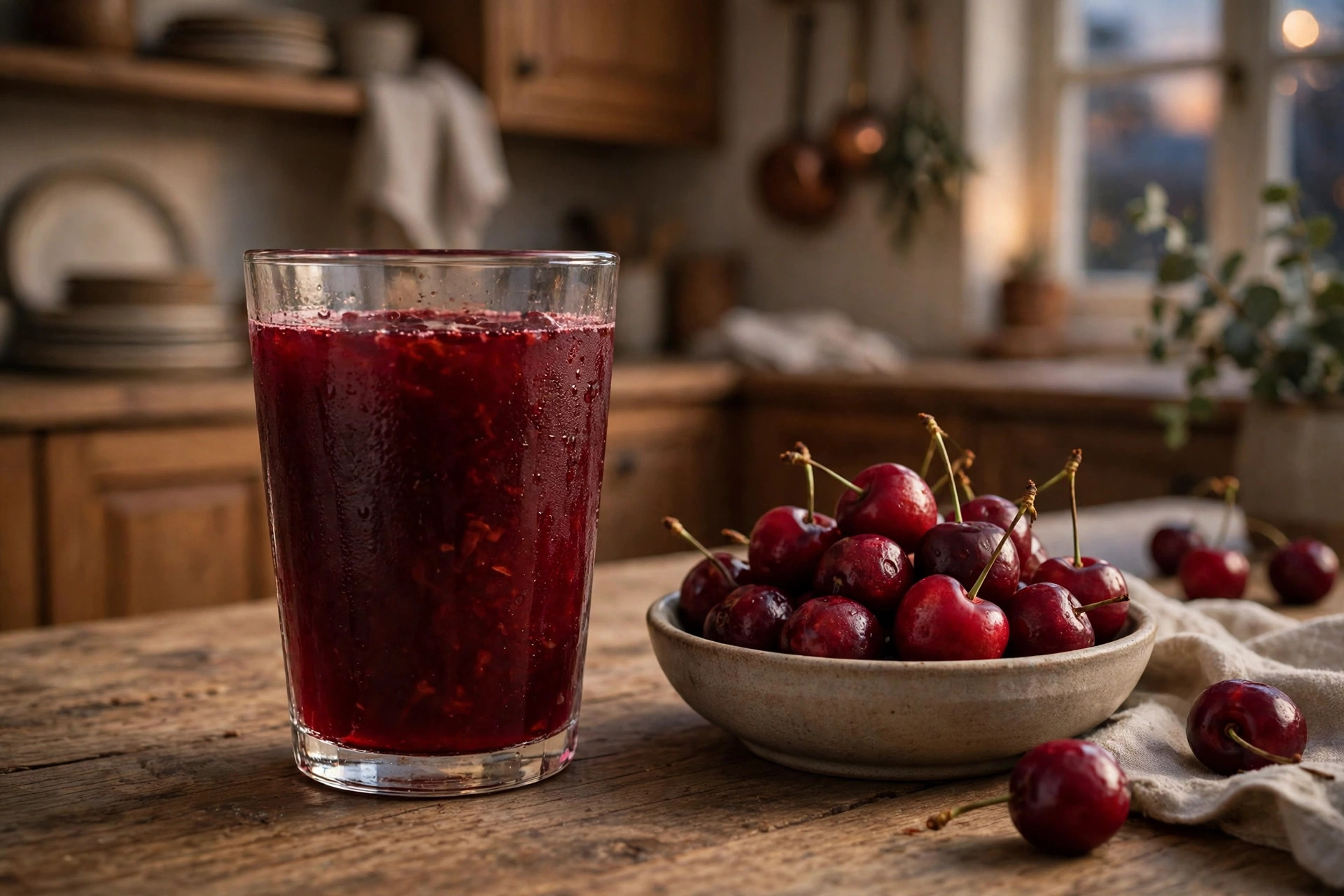
If you have scrolled TikTok lately, you have probably met the "sleepy girl mocktail": tart cherry juice, sparkling water, and a scoop of magnesium powder, sipped an hour or two before bed. Fans claim it knocks them out fast. But tart cherry juice is one of the few viral sleep remedies that actually has real research behind it, not just anecdotes.
That does not mean it is a cure for insomnia. But it is worth understanding properly before you buy a bottle.
Why cherries, of all things?
Tart cherries, especially the Montmorency variety grown mostly in Michigan, are one of the few foods that naturally contain melatonin, the hormone your brain uses to signal that it is time to sleep. They also contain tryptophan, an amino acid your body converts into serotonin and then melatonin, plus anthocyanins, the deep-red plant compounds that give the juice its color and may reduce inflammation.
The amounts are small. A glass of tart cherry juice contains far less melatonin than a typical 3 or 5 milligram supplement tablet. Researchers think any benefit comes from the combination, a little melatonin plus tryptophan plus anti-inflammatory compounds, working together over days and weeks rather than hitting you like a sleeping pill on night one.
What the studies actually found
The research base is small but encouraging, and it is mostly in older adults, the group most likely to struggle with sleep.
In a 2010 pilot study at Louisiana State University, older adults with insomnia drank 8 ounces of tart cherry juice twice a day for two weeks. On average, they slept about 85 minutes longer per night than they had before the study, and reported better sleep quality.
A 2012 study at Northumbria University in England found a smaller but still meaningful effect: healthy adults who drank tart cherry juice concentrate twice daily slept about 25 minutes longer and had slightly better sleep efficiency, meaning they spent more of their time in bed actually asleep.
A later study in 2018, published in the American Journal of Therapeutics, again in older adults with insomnia, found that tart cherry juice increased total sleep time by roughly 84 minutes and improved sleep efficiency compared with a placebo drink.
Two caveats matter. First, these were small studies, a few dozen participants each, not the hundreds you would want before calling something proven. Second, most participants were over 50 and already had insomnia, so the results may not apply the same way to a healthy 30-year-old who just stays up too late on their phone.
Still, the pattern is consistent across independent studies: tart cherry juice was associated with more sleep, not less, and nobody reported the morning grogginess that comes with many sleep aids.
Why this matters for Americans right now
Sleep is a genuine public health problem in the United States. The Centers for Disease Control and Prevention reports that more than 1 in 3 American adults regularly get less than the recommended 7 hours of sleep a night. Short sleep is linked to higher risk of obesity, type 2 diabetes, high blood pressure, heart disease, and depression.
Most common fixes come with downsides. Prescription sleep medications can cause dependence and next-day fogginess, and over-the-counter melatonin supplements are unregulated in the United States, so the dose on the label is not always the dose in the bottle.
That is the real appeal of tart cherry juice: it is food, not a drug, it is cheap, and the worst realistic side effect is an upset stomach.
How to try it the right way
If you want to test it on yourself, copy what the studies did rather than what a TikTok video shows.
Buy the right kind
Look for 100% tart cherry juice or Montmorency cherry concentrate, not "cherry juice cocktail" or cherry-flavored drinks. The cocktail versions are mostly apple juice and added sugar with a little cherry flavoring, and they will not have the same compounds. Check the label: the ingredient list should read "tart cherry juice" or "Montmorency cherry juice concentrate," nothing else.
Use the study dose
The studies used 8 ounces of juice twice a day, morning and evening, or the equivalent in concentrate (about 1 ounce diluted in water, twice daily). Drink the evening serving 1 to 2 hours before bed.
Give it two weeks
The benefits in the studies appeared over 2 to 4 weeks, not on the first night. Keep your bedtime and wake time consistent during the trial so you can tell whether the juice, rather than a schedule change, made the difference.
Watch the sugar
This is the catch. An 8-ounce glass of tart cherry juice has roughly 130 to 140 calories and about 30 grams of natural sugar. Twice a day, that is close to 280 calories and 60 grams of sugar, about the same as drinking two cans of soda in sugar terms, even though the sugar here is naturally occurring. If you have diabetes, prediabetes, or you are watching your weight, that is a real trade-off. Options: use a smaller serving, dilute concentrate more heavily, or talk to your doctor about whether the trade is worth it for you.
What about the sleepy girl mocktail?
The viral version adds magnesium powder and sparkling water to the cherry juice. Magnesium does play a role in sleep and muscle relaxation, and some people are mildly deficient. But the evidence for magnesium supplements improving sleep in people who are not deficient is weak, and magnesium can cause diarrhea and interact with certain medications, including some antibiotics and blood pressure drugs.
If you want to try the mocktail, the cherry juice is the ingredient with the best evidence. The magnesium is optional, and if you take daily medication or have kidney disease, check with your doctor before adding a magnesium supplement.
When to skip the juice and see a doctor
Tart cherry juice is a reasonable experiment for mild sleep trouble. It is not a substitute for medical care. See your doctor or a sleep specialist if you:
- Snore loudly, gasp, or stop breathing during sleep (possible sleep apnea)
- Have struggled to fall or stay asleep for more than three weeks
- Feel exhausted during the day despite a full night in bed
- Rely on alcohol, antihistamines, or sleeping pills to fall asleep most nights
- Have restless legs, or your legs jerk repeatedly as you fall asleep
Sleep apnea in particular affects an estimated 30 million Americans, most of them undiagnosed, and no juice or supplement will treat it. It needs a sleep study and real treatment.
The bottom line
Tart cherry juice is not a miracle, and the social media hype oversells it. But unlike most viral sleep trends, it has actual clinical studies showing modest, real improvements in sleep time and a safety profile that is hard to beat. If your sleep is mildly off, a two-week trial at the study dose is a sensible experiment. Just buy the unsweetened kind, watch the sugar, and keep your expectations honest: it might buy you an extra half hour of sleep, not a new brain.
Rao Sajid is the founder and editor of VitalDaily. He covers everyday health topics — nutrition, sleep, fitness and wellness — turning guidance from public-health sources like the CDC, NIH and FDA into plain, practical advice. More about Rao →
📚 Keep reading:

Shin Splints: Why Your Legs Hurt When You Run
That aching throb along the front of your lower legs after a run has a name: shin splints. Here is why they happen, how to fix them fast, and when to see a doctor.
Pumpkin Seeds: The Tiny Fall Snack Your Heart Will Love
Every October, Americans toss millions of pumpkin seeds in the trash. That handful is one of fall's healthiest snacks — rich in magnesium, zinc, and good fats.
Why Spicy Food Makes Your Nose Run (And When to Worry)
One bite of buffalo wings or hot ramen and your nose starts dripping within seconds. It is not an allergy. It is your nervous system doing its job.