Thanksgiving Food Safety: 7 Mistakes to Avoid
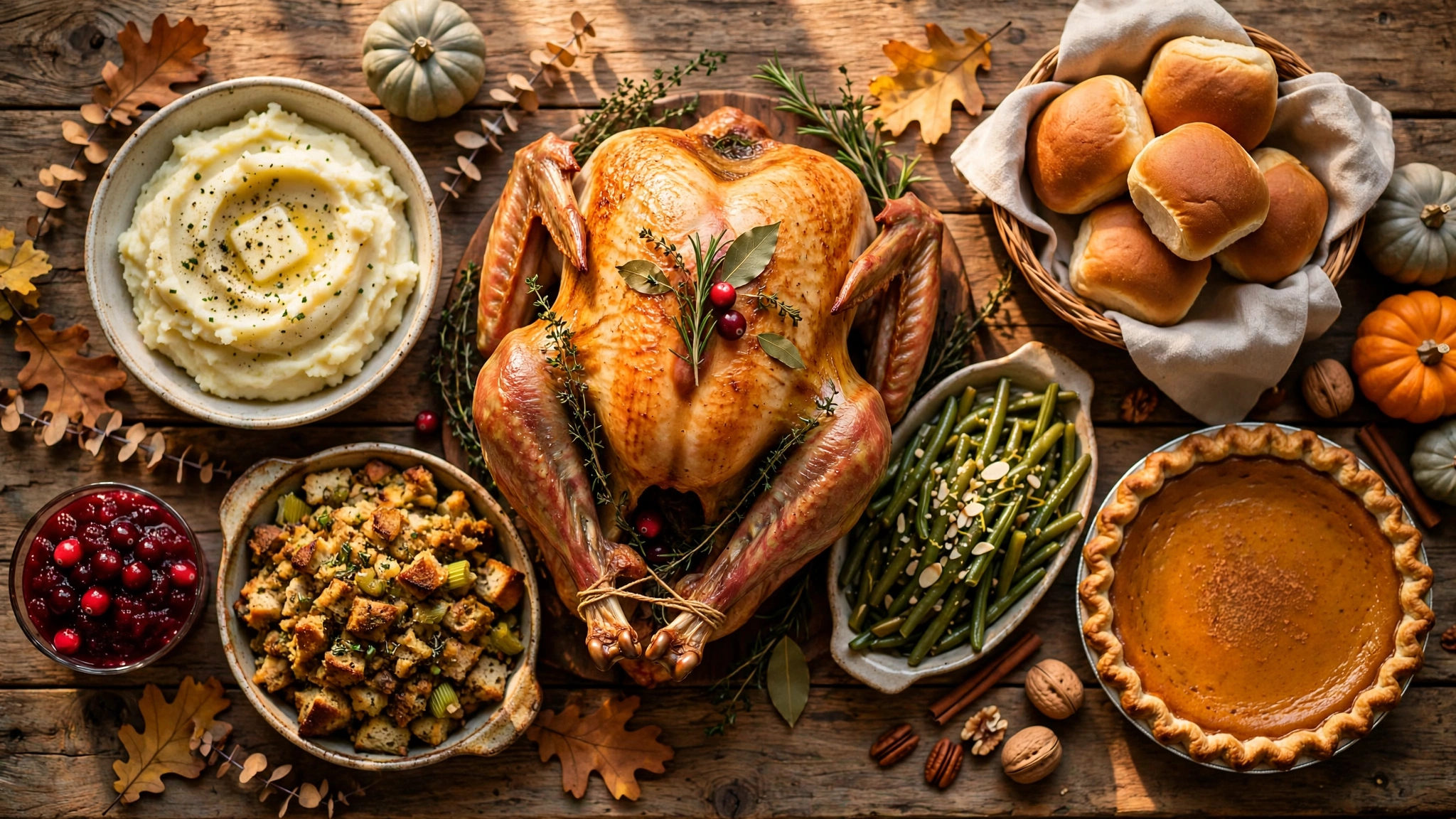
Thanksgiving is supposed to end with a nap on the couch, not a night in urgent care. But every year, foodborne illness spikes around the holiday — and the CDC estimates that 48 million Americans get food poisoning annually, with about 128,000 hospitalizations and 3,000 deaths. Much of it traces back to the home kitchen, and Thanksgiving is where the riskiest cooking of the year happens: giant birds, stuffed cavities, food left out for hours while everyone socializes.
The good news: nearly every Thanksgiving food-poisoning case is preventable. These are the seven mistakes that cause most of them — and the USDA-backed fixes that keep your feast safe.
1. Starting the thaw too late
This is the most common Thanksgiving mistake in America, and it starts days before dinner. The USDA's rule: allow 24 hours of refrigerator thawing for every 4 to 5 pounds of turkey. A 20-pound bird needs a full 4 to 5 days in the fridge. A 12-pounder needs about 3 days.
Every November, the USDA Meat and Poultry Hotline fields the same panicked calls from cooks who bought a frozen turkey two days before Thanksgiving. Do not thaw it on the counter or in hot water — at room temperature, the outer layers of the bird sit in the bacterial "danger zone" (40°F to 140°F) for hours while the inside is still frozen.
If you are short on time, there are two safe shortcuts. Submerge the wrapped bird in cold tap water, changing the water every 30 minutes — this takes about 30 minutes per pound, and the turkey must go straight into the oven afterward. Or thaw it in the microwave following the manufacturer's instructions, then cook immediately. You can also cook a turkey from frozen — it just takes at least 50 percent longer.
2. Washing the raw turkey
It feels like the clean thing to do, and grandma probably did it. Do not do it. The USDA is explicit: washing raw poultry does not remove bacteria — the pathogens live in the meat itself, and the only thing that kills them is heat. What washing does is launch a spray of bacteria-laden droplets across your sink, countertops, and nearby foods.
Research from the USDA found that washing poultry spreads bacteria to nearby surfaces in most cases. The only reliable kill step is cooking every part of the bird to 165°F, measured with a food thermometer in the thickest part of the breast, the innermost part of the thigh, and the innermost part of the wing.
3. Stuffing the bird the night before
Preparing stuffing inside the turkey the evening before — then refrigerating the whole stuffed bird — is one of the riskiest things a Thanksgiving cook can do. The moist, dense stuffing in the cavity cools slowly and warms slowly, giving bacteria like Salmonella and Clostridium perfringens hours to multiply in the danger zone.
The safe play: prepare wet and dry stuffing ingredients separately and refrigerate them overnight, then stuff the turkey just before it goes into the oven. If you do stuff the bird, the stuffing itself must reach 165°F — and the USDA notes it is simply safer to cook stuffing in a separate casserole dish, where it heats faster and more evenly.
4. Trusting the pop-up timer
That little red plastic button that pops out of the turkey is not a safety device — it is a rough doneness indicator, and it can be wrong. The USDA recommends ignoring it as your final word and using a real food thermometer instead.
Check three spots: the thickest part of the breast, the innermost part of the thigh, and the innermost part of the wing. Every one of them must hit 165°F. Keep the oven at no lower than 325°F throughout roasting. And give the bird about 20 minutes of rest before carving — the juices redistribute and it carves more cleanly.
5. Leaving food out for the whole afternoon
The gravy boat, the mashed potatoes, the green bean casserole — on Thanksgiving they often sit on the table or the stove for hours while people graze. The USDA's rule is absolute: perishable food left at room temperature for more than 2 hours must be discarded (1 hour if the room is above 90°F).
Bacteria double every 20 minutes in the danger zone. That half-eaten pie filling, the turkey platter picked over during the game, the bowl of stuffing left on the counter — after two hours, they are not leftovers, they are a gamble. Set a mental timer when the meal ends: within two hours, everything perishable goes into shallow containers in the fridge.
6. Keeping leftovers too long
Thanksgiving leftovers are a national treasure — but they have a strict expiration date. The USDA says cooked turkey and sides must be refrigerated within 2 hours and eaten within 3 to 4 days. After that, throw them out, even if they look and smell fine — you cannot see, smell, or taste the bacteria that cause food poisoning.
For longer storage, freeze leftovers right away; they keep best quality for 2 to 6 months. When reheating, bring everything — turkey, gravy, stuffing, casseroles — back to 165°F. Gravy deserves special mention: bring it to a rolling boil, since its thickness can insulate bacteria from heat.
7. Forgetting the kitchen itself
Thanksgiving is also the peak day of the year for home cooking fires, according to the National Fire Protection Association — and the cross-contamination risks are just as real as the fire risks. A few non-negotiable habits:
- Wash your hands with soap and water for 20 seconds before cooking and after handling raw turkey — the single most effective food-safety step there is.
- Use separate cutting boards for raw turkey and ready-to-eat foods like vegetables and bread. Never put cooked turkey back on the plate that held it raw.
- Sanitize everything the raw bird touched: sink, counters, utensils, and the thermometer probe.
- Stay in the kitchen while food is cooking. Unattended cooking is the leading cause of home cooking fires, and Thanksgiving's long roasting times make it easy to wander off.
- Keep the raw turkey away from kids and pets — and keep anyone with a stomach bug out of the kitchen entirely. Norovirus, the leading cause of foodborne illness in the U.S., spreads easily from an infected cook's hands to food.
The bottom line
Thanksgiving food poisoning is not bad luck — it is a short list of preventable errors: thawing too late, washing the bird, stuffing it overnight, skipping the thermometer, grazing on food left out too long, stretching leftovers past day four, and sloppy kitchen hygiene. Handle the bird like the USDA says — thawed cold, cooked to 165°F, refrigerated within 2 hours — and the only thing your guests will be sick from is eating too much pie. Which, to be fair, is a Thanksgiving tradition in itself.
This article is for informational purposes only and is not medical advice. If you suspect food poisoning with severe symptoms — bloody stool, high fever, dehydration, or symptoms lasting more than a few days — seek medical care promptly.
Rao Sajid is the founder and editor of VitalDaily. He covers everyday health topics — nutrition, sleep, fitness and wellness — turning guidance from public-health sources like the CDC, NIH and FDA into plain, practical advice. More about Rao →
📚 Keep reading:

Winter Dry Skin: Why It Happens and How to Fix It
Tight, itchy, flaky skin every winter? Cold air and indoor heat strip moisture from your skin. Here is why it happens — and the dermatologist-backed fixes that actually work.
Losing Your Voice? Laryngitis Causes and Fixes
Woke up hoarse or lost your voice completely? Here is what laryngitis does to your vocal cords, what actually helps you recover faster, and when hoarseness needs a doctor.
Why You Wake Up Drenched in Sweat: Night Sweats Explained
Waking up drenched in sweat is more than a nuisance — it can signal anything from a hot bedroom to hormones or medication side effects. Here is what causes night sweats and when to see a doctor.