5 Ultra-Processed Foods Quietly Wrecking American Health
Walk through any American supermarket and you'll notice something: the middle aisles — packed with boxes, bags, and frozen dinners — dwarf the produce section. That's no accident. According to CDC data, nearly 60% of the calories the average American eats come from ultra-processed foods: products made mostly from industrial ingredients your grandmother wouldn't recognize.
These aren't just "junk food." Ultra-processed foods are engineered in labs to be irresistible — the perfect mix of salt, sugar, and fat that keeps you reaching for more. And the health cost is staggering: higher rates of obesity, type 2 diabetes, heart disease, and even depression.
Here are the 5 worst offenders hiding in American kitchens right now — and simple swaps that taste just as good.
1. Frozen Pizza and Ready Meals
The average frozen pizza packs 700–900 mg of sodium per serving — and most people eat half the pizza, not the "serving" listed on the box. That's nearly a full day's sodium in one sitting. Add the processed meats (pepperoni, sausage) loaded with nitrates, and you've got a heart-health nightmare.
Swap: Make a 10-minute flatbread pizza with whole-wheat pita, tomato sauce, mozzarella, and fresh veggies. Same comfort, a fraction of the sodium.
2. Sugary Breakfast Cereals
That colorful box promising "whole grains" often contains more sugar per serving than a candy bar. Many popular cereals list 12–15 grams of sugar per cup — and kids routinely eat two cups. The FDA's updated nutrition labels now show "added sugars" separately, and cereals are among the biggest culprits.
Swap: Plain oatmeal topped with berries and a drizzle of honey. You control the sweetness.
3. Deli Meats and Hot Dogs
Bacon, ham, salami, and hot dogs are classified by the World Health Organization as Group 1 carcinogens — the same category as tobacco — when it comes to colorectal cancer risk. Just 50 grams a day (about two slices of bacon) measurably raises risk.
Swap: Roast a chicken or turkey breast on Sunday and slice it for the week's sandwiches. Real meat, zero nitrates.
4. Packaged Snack Cakes and Cookies
Little Debbie, Hostess, and their cousins are marvels of food engineering: shelf-stable for months, impossibly soft, and loaded with palm oil, high fructose corn syrup, and artificial flavors. A single snack cake can deliver 300+ calories and 20+ grams of sugar with almost zero nutrition.
Swap: Keep bananas, apples, and single-serve nut packs in your bag. When the 3 PM craving hits, you'll be ready.
5. Flavored Yogurts and "Healthy" Snack Bars
This is the sneakiest one. Products marketed as healthy — fruit-on-the-bottom yogurt, granola bars, protein bars — often contain as much sugar as a soda. That "strawberry yogurt" can have 24 grams of sugar per cup, most of it added.
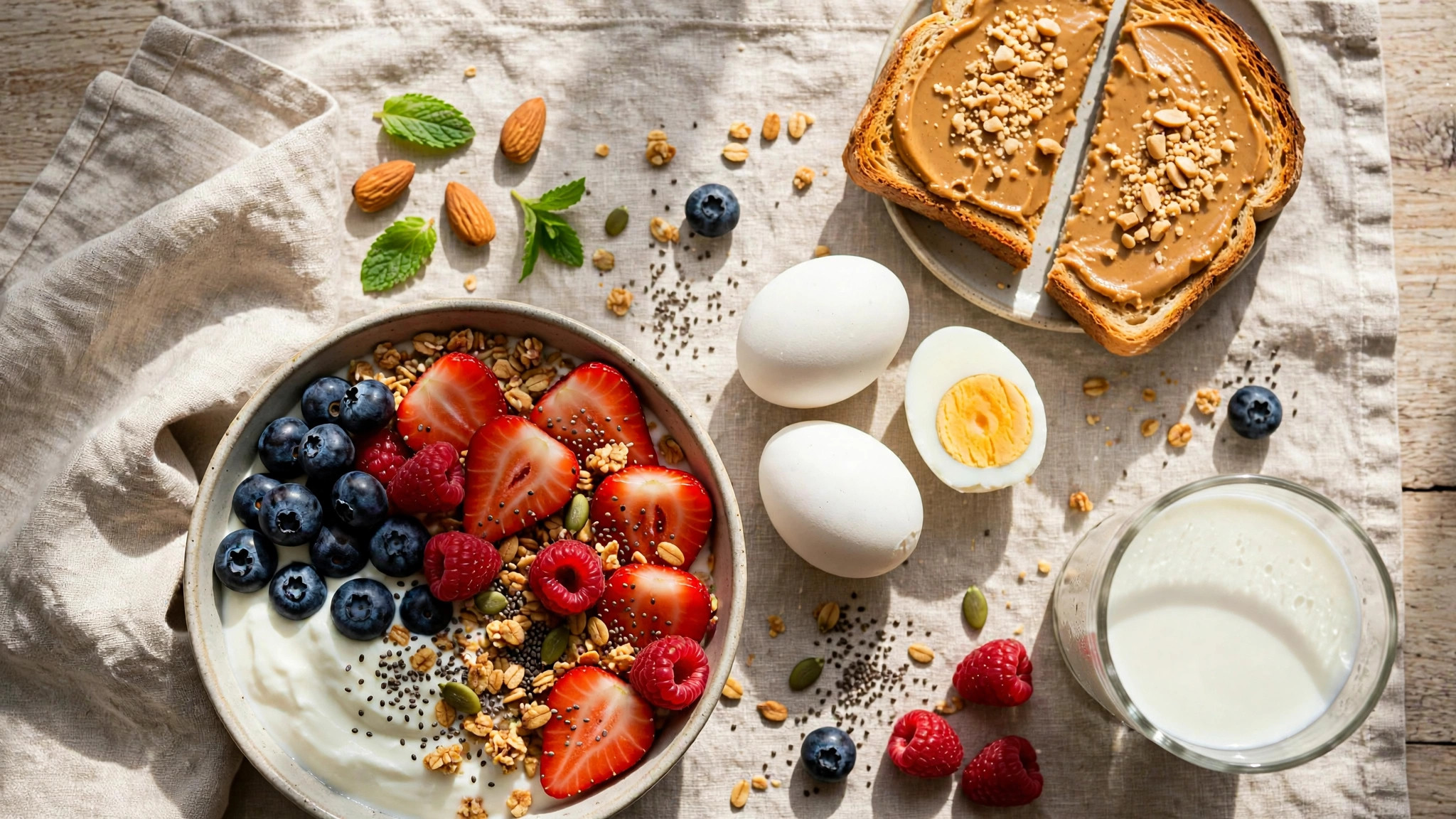
Swap: Buy plain Greek yogurt and add your own fruit. For bars, check the label: under 8g of added sugar and at least 3g of fiber is a reasonable bar.
How to Spot Ultra-Processed Foods Fast
You don't need a nutrition degree. Use this 3-second rule in the grocery store:
- Count the ingredients. More than 5, and especially ingredients you can't pronounce (maltodextrin, soy lecithin, "natural flavors"), means ultra-processed.
- Check the added sugars line. The FDA now requires it. Aim for under 10% of daily calories from added sugar — about 50 grams for most adults.
- Shop the perimeter. Produce, dairy, meat, and fish live on the store's outer walls. The ultra-processed stuff fills the middle aisles.
The Bottom Line
You don't have to overhaul your diet overnight. Start by swapping one ultra-processed staple this week — the cereal, the frozen pizza, the snack cakes. Your taste buds adjust faster than you'd think, and within a month, the real food starts tasting better than the engineered stuff ever did.
Small swaps, compounded daily, are how Americans are quietly taking their diets back.
How Ultra-Processed Foods Affect Kids Especially
Children are the most vulnerable targets. The average American child gets a staggering 67% of daily calories from ultra-processed foods, according to research published in JAMA. Kids' developing brains are especially sensitive to the dopamine-driven reward loops these products create — which is why children who grow up on ultra-processed diets often struggle with food preferences for life.
School lunches, kids' cereals, fruit snacks (which contain almost no fruit), and juice boxes are the main delivery vehicles. Parents don't need perfection — but swapping even half of a child's ultra-processed snacks for whole-food alternatives measurably improves behavior, focus, and weight trajectories in studies.
Practical kid swaps: apple slices with peanut butter instead of fruit snacks, cheese sticks instead of cheese crackers, plain popcorn instead of chips. Kids adapt within 2–3 weeks.
The NOVA Classification: Know Your Processing Level
Nutrition scientists use the NOVA system to classify foods:
- Group 1 — Unprocessed/minimally processed: fruits, vegetables, eggs, milk, plain nuts, fresh meat
- Group 2 — Processed culinary ingredients: oils, butter, sugar, salt (used in cooking, fine in moderation)
- Group 3 — Processed foods: canned beans, cheese, freshly baked bread (recognizable ingredients, some processing)
- Group 4 — Ultra-processed: soft drinks, packaged snacks, instant noodles, most fast food (industrial formulations)
The goal isn't zero Group 4 — that's unrealistic in modern America. Aim to keep ultra-processed foods under 20% of your calories, filling the rest with Groups 1–3. Track it for one week with a food diary app and you'll see exactly where you stand.
📚 Keep reading:
7 Ways to Strengthen Immunity Before Flu Season
Flu season hospitalizes 200,000+ Americans yearly. These 7 science-backed habits build your immune defenses before it hits.

6 Science-Backed Ways to Calm Work Anxiety Fast
Sunday-night dread? Racing thoughts at your desk? These 6 research-proven techniques calm work anxiety in minutes.

Why Americans Sleep an Hour Less Than They Need
1 in 3 US adults doesn't get enough sleep — costing $411 billion a year. Here's why we're so tired and how to fix it.