Why Coffee Makes You Poop: The Morning Sprint Explained
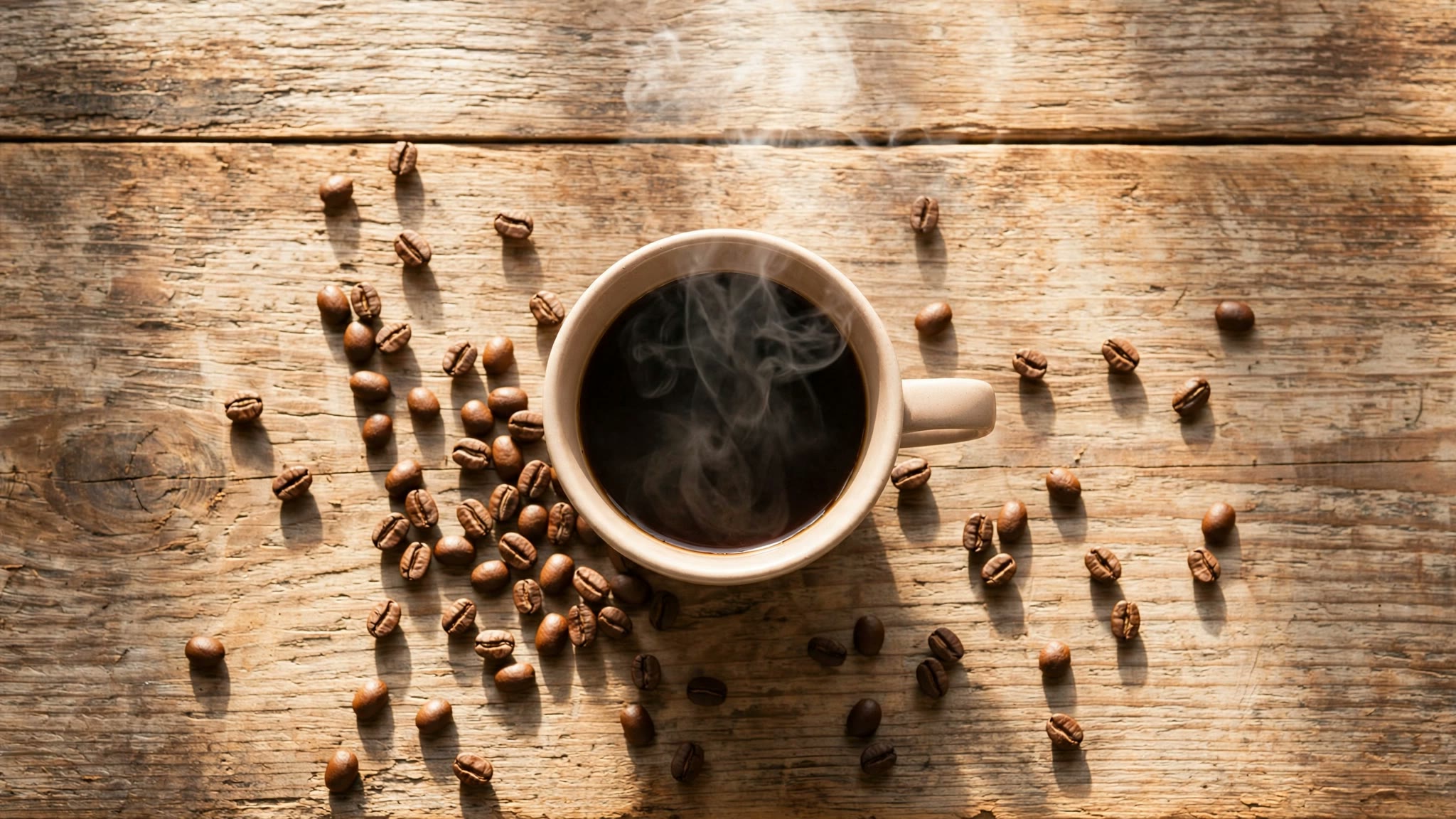
You know the routine: the coffee finishes brewing, you take three sips, and suddenly it is not the caffeine that is waking you up — it is your gut filing an urgent motion. If your morning cup sends you to the bathroom like clockwork, you are in good company. Studies estimate that roughly 1 in 3 coffee drinkers feels an urgent need to go within 30 to 45 minutes of drinking coffee. Among Americans, who sip about 3 cups a day on average, that is a lot of bathroom sprints.
So what is happening in there? It turns out coffee hits your digestive system through not one but several mechanisms — and caffeine is only part of the story.
Your gut has a wake-up alarm, and coffee rings it
The main player is a wave-like muscle action called peristalsis — the rhythmic squeezing that moves food and waste through your colon. Coffee stimulates peristalsis within minutes of drinking it. In one small but widely cited study, researchers found that coffee triggered colon contractions about as strong as a full 1,000-calorie meal. That is remarkable: a nearly zero-calorie drink making your colon work as hard as Thanksgiving dinner.
Why? Coffee prompts your body to release a hormone called cholecystokinin (CCK). CCK tells your gallbladder to release bile and nudges your digestive tract into action — including the lower gut. Coffee also increases gastrin, a hormone that stimulates the stomach to release acid and start churning. Together, they flip your digestive system from its overnight "sleep mode" into full production.
Here is the twist many people miss: decaf does some of this too. Studies comparing caffeinated and decaffeinated coffee found that decaf still stimulated colon activity, just less intensely — about 23 percent less in one trial. That tells us it is not just the caffeine. Coffee contains over 1,000 compounds, including chlorogenic acids and melanoidins formed during roasting, and at least some of those are in on the act.
The gastrocolic reflex: breakfast's loud coworker
There is a second mechanism amplifying the effect: the gastrocolic reflex. Whenever anything hits your stomach — coffee, breakfast, a glass of water — it sends a signal down the line telling your colon to make room. That is why the need to go often strikes hardest when coffee and breakfast arrive together. Morning is also when the gastrocolic reflex is naturally strongest, because your colon has been quiet all night. Coffee at 7 AM is essentially a double alarm for a colon that was already primed to wake up.
This also explains a timing pattern many people notice: the urge often hits before you have even finished the cup. Coffee reaches the stomach in minutes, and the hormones it triggers act quickly. The caffeine, interestingly, has not even entered your bloodstream in meaningful amounts yet — the sprint is mostly your gut reacting to the arrival, not to the caffeine buzz.
Why it hits some people harder than others
Not everyone gets the bathroom sprint, and the reasons come down to individual wiring:
- Your gut's baseline sensitivity. People with irritable bowel syndrome (IBS) — roughly 10 to 15 percent of Americans — are far more likely to feel an urgent need after coffee. A gut that is already reactive simply reacts more.
- Acidity plus milk. Coffee is mildly acidic, which can irritate sensitive stomachs. Adding milk or cream introduces lactose, and an estimated 36 percent of Americans have some degree of lactose malabsorption. For them, a milky coffee is a double hit.
- Drinking it on an empty stomach. Without food to buffer it, coffee's acids and compounds hit the stomach lining directly. Morning coffee on an empty stomach produces a bigger gastrin response — and a faster trip to the bathroom.
- How you brew it. Cold brew and darker roasts tend to be lower in acid. Lighter roasts and paper-filter-free methods (French press) retain more of the oils and compounds linked to stimulation. Your brew method genuinely changes the strength of the effect.
Is it actually good for you?
For most healthy adults, coffee's bathroom effect is a feature, not a bug — it is simply your digestive system doing its job a little faster. There is no evidence it causes harm, and regular coffee drinking has been linked in large studies to lower risks of liver disease, type 2 diabetes, and even colorectal cancer.
But there are a few honest caveats. The "coffee is dehydrating, so it can't help digestion" myth deserves a burial: while caffeine is a mild diuretic, studies show coffee drinkers end up with roughly the same hydration as water drinkers, because the fluid in the cup more than offsets it. So no, coffee is not dehydrating your colon — it is just a potent signal.
The people who should pay attention are those with acid reflux or GERD: coffee relaxes the lower esophageal sphincter and increases stomach acid, which can worsen heartburn. People with IBD or chronic diarrhea may find coffee aggravates their symptoms. And if your bathroom sprint comes with cramping, pain, or urgency that disrupts your day, that is a gut issue worth discussing with a doctor — not a coffee issue to power through.
How to manage the morning sprint
If you love coffee but could do without the emergency, a few tweaks can take the edge off without giving up your ritual:
- Eat something first. Even a small breakfast — toast, a banana, yogurt — buffers the stomach and softens the gastrocolic reflex. This is the single most effective change for most people.
- Switch your brew. Cold brew has roughly 60 percent less acid than hot coffee in some measurements. Darker roasts are also lower-acid than light roasts. If your stomach is sensitive, these gentler options produce a milder gut response.
- Try low-acid or lactose-free. If you use milk, switch to lactose-free milk or an oat/almond alternative for a week and see if the urgency eases. That tells you whether the milk, not the coffee, was the culprit.
- Slow down the first cup. Sipping your coffee over 30 minutes instead of gulping it in five gives your gut time to absorb the signals gradually, rather than all at once.
- Time it strategically. If the sprint is unavoidable, drink your coffee at home with a 20-minute buffer before your commute — not in the car on the way to work.
- Don't hold it. Regularly ignoring the urge teaches your colon to signal more urgently over time. Responding promptly keeps the reflex calm.
What about "coffee enemas" and cleanses?
You may have seen wellness influencers claim that drinking coffee "detoxes" your colon or that coffee needs to be taken more aggressively to "cleanse" the gut. Be skeptical. Coffee does speed up waste moving through you, but that is not the same as removing toxins — your liver and kidneys already handle that job 24/7. There is no scientific evidence that coffee cleanses your colon of anything extra, and the so-called coffee enema trend carries real risks, including burns, electrolyte imbalance, and rectal injury. Your colon does not need a power wash; it needs fiber, water, and movement.
The bottom line
Coffee makes you poop because it is a chemical multitool: it releases the hormones gastrin and cholecystokinin, ramps up colon contractions to meal-level intensity, and triggers the gastrocolic reflex — all within minutes of the first sip. Caffeine plays a role, but decaf works too, so the bean's other 1,000 compounds deserve credit.
For most of us, it is one of coffee's harmless quirks — millions of Americans plan their mornings around it. Eat a little food first, consider a lower-acid brew, and give yourself 20 minutes before the commute. Your gut and your schedule will both thank you.
Rao Sajid is the founder and editor of VitalDaily. He covers everyday health topics — nutrition, sleep, fitness and wellness — turning guidance from public-health sources like the CDC, NIH and FDA into plain, practical advice. More about Rao →
📚 Keep reading:

Canker Sores: Why You Keep Getting Them
That tiny mouth ulcer hurts like a burn ten times its size. Here's why canker sores appear, which triggers matter most, and what actually speeds healing.
Apple Cider Vinegar: What Science Actually Says
Apple cider vinegar promises weight loss, blood sugar control, and better digestion. Here's what research actually supports, what's pure hype, and how to use it safely.
Holiday Stress Is Making You Sick: How to Stop It
The holidays are supposed to be joyful — so why do you feel exhausted, tense, and run-down by New Year's? Here's what holiday stress does to your body and how to actually enjoy the season.