Why You Always Catch a Cold on a Plane
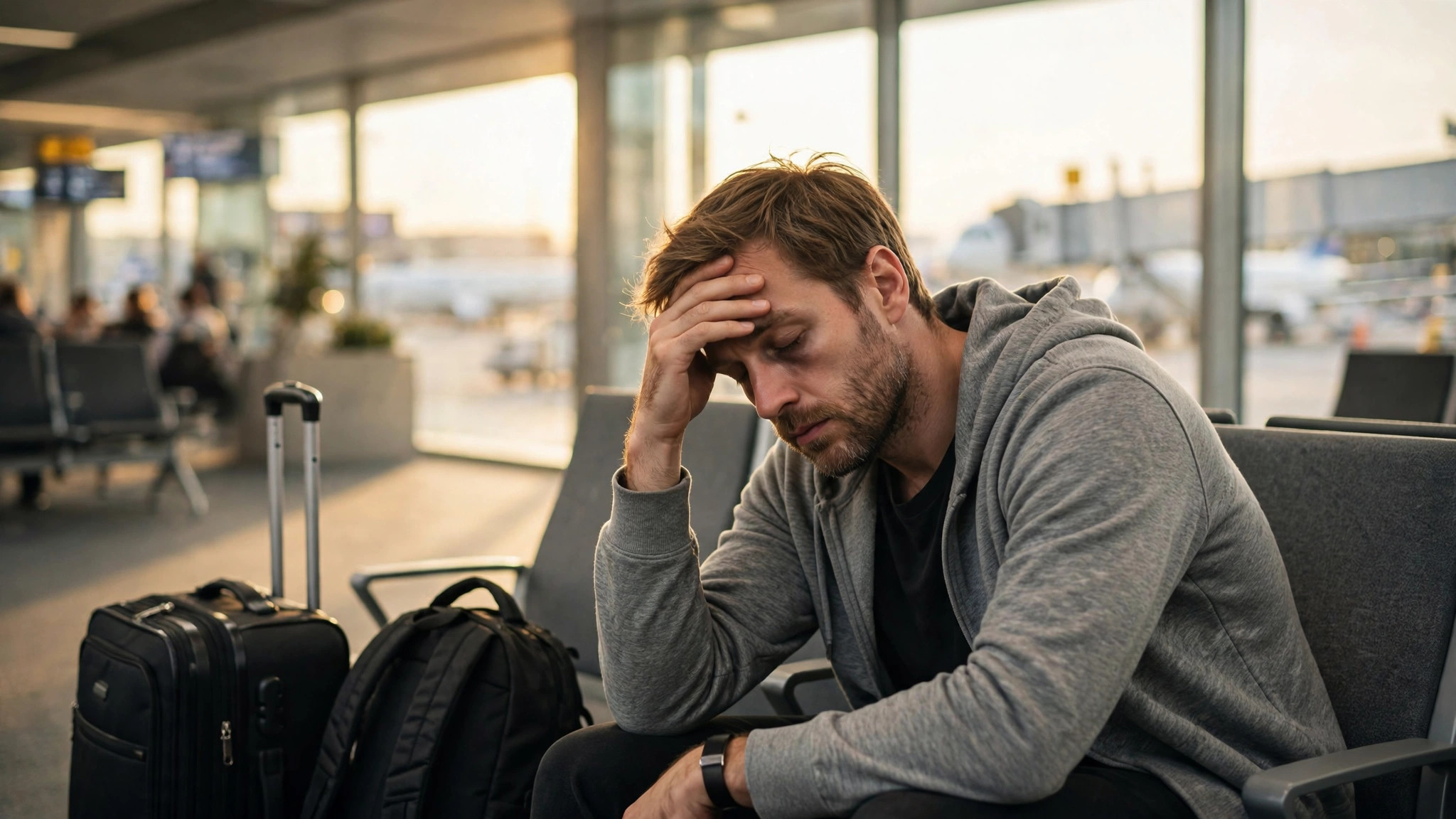
You know the pattern. You board a flight feeling fine, maybe even great, and by the time you are waiting at baggage claim, your throat is scratchy. Two days later, you are flat on the couch with a full-blown cold, blaming the coughing stranger in seat 14B.
It is one of the most common travel complaints in America, and with Thanksgiving flights about to fill up, it is worth asking: is flying really making you sick, or is it just bad timing?
The honest answer is both. Planes do stack the odds against your immune system, but not always for the reasons people assume.
The real culprit is dry air, not recycled air
The most persistent myth about flying is that you are breathing everyone else's germs through the cabin's recycled air. In reality, modern aircraft ventilation is better than most offices. Cabin air passes through HEPA filters that capture 99.97 percent of airborne particles, including bacteria and viruses, and the air is completely replaced every two to three minutes. The airflow also moves top to bottom in narrow zones, so your row mostly breathes its own air, not the whole plane's.
The bigger problem is dryness. At cruising altitude, cabin humidity typically drops to 10 to 20 percent, far below the 40 to 60 percent your airways prefer. Your nose and throat rely on a moist mucus lining to trap viruses and sweep them away before they take hold. When that lining dries out, it cracks, thins, and stops doing its job. A virus that would normally be caught and cleared can slip straight through.
A widely cited study found that passengers are roughly 20 percent more likely to catch a cold after a flight than people who stayed on the ground. You are not just sitting near germs. You are sitting near germs with your defenses dried out.
Proximity still matters, especially on short flights
That does not mean your seatmates are innocent. On a packed flight, you are within arm's reach of dozens of people for hours, and respiratory viruses spread most easily within about six feet of an infected person. Coughing, sneezing, and even talking release droplets, and on a full plane there is nowhere to move away.
Research on influenza transmission aboard aircraft has found that the highest risk sits within two rows of a sick passenger. On short domestic hops, that risk is compounded by another factor: the plane often sits on the ground with the ventilation system off or running low while passengers board, which is exactly when the cabin is most crowded and the air is least filtered.
Touch adds a second route. Tray tables, armrests, and seatbelt buckles are touched by hundreds of hands a day, and cold and flu viruses can survive on hard surfaces for hours. Touch a contaminated tray table, then rub your eye, and you have delivered the virus exactly where it wants to go.
Travel itself wears your immune system down
Even before you board, travel has already weakened your defenses. A 5 AM alarm, a rushed drive to the airport, a skipped breakfast, and a night of poor sleep all raise stress hormones like cortisol, which temporarily suppress immune function. Dehydration makes it worse: most Americans drink less water on travel days, then add coffee or alcohol at the airport, both of which are dehydrating.
Then there is the destination effect. Arrive in a new city and you meet local viruses your immune system has never encountered. Add jet lag and a big family dinner where everyone is hugging and sharing food, and it is no surprise the cold shows up two to three days after landing, the typical incubation period for the common cold.
What actually works before and during your flight
You cannot control the cabin, but you can control your own defenses. These steps are simple, cheap, and backed by evidence:
Hydrate aggressively. Drink water before, during, and after the flight. Aim for about 8 ounces per hour in the air, and skip or limit alcohol, which dries out your airways further. A water bottle filled after security is your best travel accessory.
Keep your nose moist. A saline nasal spray, used a couple of times during a long flight, helps keep your mucus lining working. Some travelers swear by a dab of saline gel inside the nostrils. It feels odd, but it directly counters the cabin's driest effect.
Wear a mask on crowded flights. Masks are no longer required on U.S. flights, but a well-fitting N95 or KN95 still cuts your exposure to airborne droplets, and it has a bonus benefit: it traps moisture from your own breath, keeping your nose and throat less dry. If someone near you is coughing, it is the single most effective move you have.
Wipe down your space. A quick wipe of the tray table, armrest, and seatbelt buckle with a disinfectant wipe takes 30 seconds. Then keep your hands off your face until you can wash them or use hand sanitizer. The CDC recommends sanitizer with at least 60 percent alcohol when soap is not available.
Get your flu shot before holiday travel. The CDC recommends a flu vaccine for everyone 6 months and older, ideally by the end of October, and it takes about two weeks to build full protection. With flu season now underway in the U.S., a pre-Thanksgiving shot is one of the highest-value moves for frequent flyers.
Sleep and eat well. Get a full night's sleep the night before, eat a real meal instead of skipping it, and avoid pulling an all-nighter to catch a dawn flight if you can.
When a post-flight cold is something more
Most post-flight sniffles are ordinary colds that clear in seven to ten days. But see a doctor promptly if you develop a fever over 101.5°F that lasts more than three days, trouble breathing, chest pain, or symptoms that improve and then suddenly worsen, which can signal a secondary infection like pneumonia or a sinus infection. The same applies to severe leg pain or swelling after a long flight, which can rarely signal a blood clot and needs urgent care.
Also worth knowing: if you test positive for COVID-19 or flu after a flight, let close contacts from the trip know. Holiday gatherings are prime spreading events, and a quick heads-up lets older relatives take precautions.
The bottom line
You are not imagining it: flying genuinely raises your odds of catching a cold. But the villain is less the recycled air and more the combination of bone-dry cabin air, close quarters, contaminated surfaces, and a travel day that leaves you tired, dehydrated, and stressed.
The good news is that the fixes are all in your control. Water, saline spray, a mask on crowded flights, clean hands, and a flu shot turn a germ-filled metal tube from a near-certainty into a manageable risk.
This article is for general information only and is not medical advice. If you have a chronic lung condition, a weakened immune system, or concerns about flying with an illness, talk to your doctor before traveling.
Rao Sajid is the founder and editor of VitalDaily. He covers everyday health topics — nutrition, sleep, fitness and wellness — turning guidance from public-health sources like the CDC, NIH and FDA into plain, practical advice. More about Rao →
📚 Keep reading:

Are You Measuring Your Blood Pressure Wrong?
Nearly half of US adults have high blood pressure, yet most home readings are wrong. Here is the technique doctors trust.

Ibuprofen vs. Tylenol: Which Pain Reliever Is Safer?
Both ease pain, but they work differently and carry different risks. Here is how ibuprofen and acetaminophen compare, and which one fits your situation.

Wisdom Teeth: Do You Really Need Them Removed?
Millions of Americans have wisdom teeth removed every year, but not everyone needs surgery. Here is when extraction helps and when waiting is safe.