Why You Crave Sugar at Night (and How to Stop It)
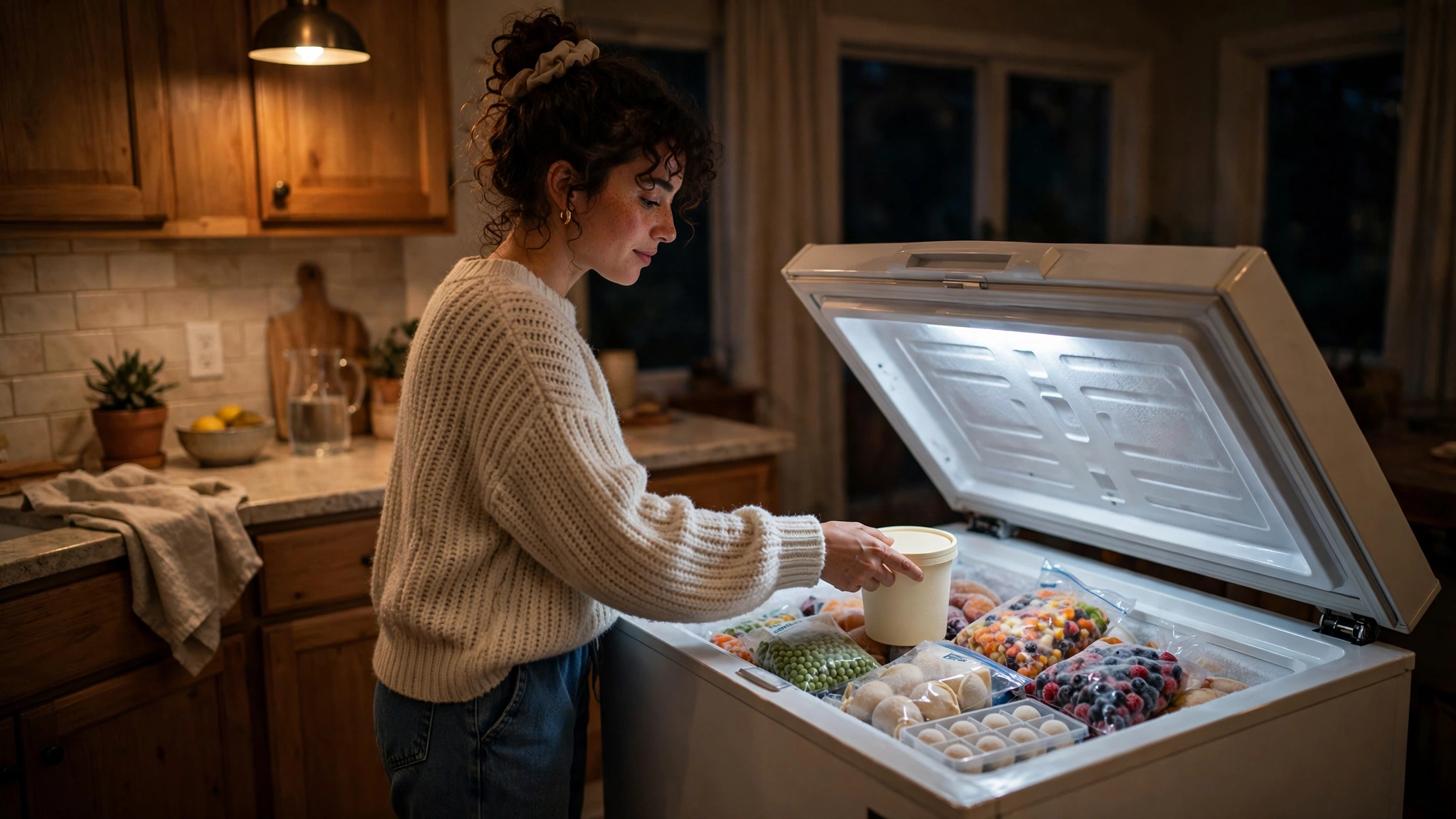
You've been good all day. Breakfast was oatmeal, lunch was a salad, dinner was a sensible plate of chicken and vegetables. Then 9 PM hits, and suddenly the ice cream in the freezer starts calling your name — and it will not be ignored.
If this sounds familiar, here's the good news: it's not a character flaw. Nighttime sugar cravings are one of the most common eating patterns in America, and researchers have identified the real forces behind them — from blood-sugar swings to exhausted willpower to your brain's own reward wiring. Once you understand the machinery, you can actually do something about it.
The average American eats about 17 teaspoons of added sugar a day, according to the CDC — roughly 270 calories of pure sugar, more than double the American Heart Association's recommended limit. A large share of it is consumed after dinner.
Your blood sugar is on a roller coaster
The biggest driver of evening cravings is what happened at dinner — and earlier in the day. When you eat a meal that's heavy on refined carbs (white rice, pasta, bread, a sugary drink) and light on protein and fiber, your blood sugar spikes and then crashes within a couple of hours. That crash triggers hunger hormones and, critically, sends your brain hunting for the fastest energy it can find: sugar.
This is the part most people miss. The craving you feel at 9 PM is often the echo of a lunch you ate at noon. Research on glycemic response shows that people who eat high-glycemic meals experience significantly stronger hunger and cravings a few hours later than those who eat the same calories with more protein and fiber.
The fix: Rebuild dinner around the craving-killers — at least 25–30 grams of protein, a solid serving of fiber (vegetables, beans, whole grains), and some healthy fat. A chicken breast with roasted vegetables and a half-cup of brown rice will hold your blood sugar steady far longer than a big bowl of plain pasta.
Your willpower is spent by bedtime
Willpower isn't a personality trait — it's a resource that depletes. Psychologists call it decision fatigue: after hundreds of micro-decisions across the day, your brain's self-control systems are tired by evening, and you default to whatever is easiest and most rewarding. That is, by design, never the celery.
Studies on eating behavior consistently find that people are most likely to overeat in the evening, and that the foods they reach for are the most palatable ones — sweet, salty, or both. You're not weaker at night. You're just tired, and a tired brain picks sugar.
The fix: Stop relying on willpower after 8 PM and switch to environment design. Move the cookies, ice cream, and candy out of the house or at least out of sight — studies show that simply increasing the effort to reach a snack cuts consumption. Then put the acceptable options front and center: Greek yogurt, berries, a small handful of nuts, or air-popped popcorn within arm's reach of the couch.
Your brain is chasing a dopamine hit
Sugar lights up the brain's reward system — the same dopamine pathways involved in other pleasures and, at high doses, addictive behaviors. MRI studies have shown that sugar can trigger dopamine release similar in pattern (not intensity) to other rewarding stimuli. After a long, stressful day, your brain isn't asking for nutrition. It's asking for relief.
This is why stress is such a powerful craving trigger. Elevated evening cortisol makes the brain crave quick-calorie foods, and sugar delivers the fastest dopamine payoff available in the kitchen. Breaking this loop means giving the brain another route to the same payoff.
The fix: Build a wind-down ritual that delivers relaxation without the freezer. A short walk around the block, a hot shower, herbal tea, or ten minutes of stretching can lower cortisol and satisfy the "I need something" signal your brain is actually sending. The craving is often a proxy for needing comfort — address the comfort, and the craving fades.
You're underslept — and your hormones know it
Here's a vicious cycle: poor sleep drives sugar cravings, and sugar wrecks sleep. Even one night of short sleep increases the hunger hormone ghrelin and suppresses the fullness hormone leptin, making you measurably hungrier the next day — especially for carbs and sweets. And eating sugar close to bedtime fragments sleep quality, even if you fall asleep fine.
The CDC estimates about 1 in 3 American adults doesn't get enough sleep. If you're in that group, your cravings may be a sleep problem wearing a food costume.
The fix: Set a kitchen curfew. Stop eating — including sugar — at least two hours before bed. Your sleep will improve, and better sleep will quiet the next day's cravings. Two habits, one change.
What to eat when the craving wins anyway
Perfection isn't the goal; damage control is. When nothing but something sweet will do, reach for options that satisfy the craving without the full blood-sugar spike:
- Frozen berries or banana "nice cream" — blended frozen fruit tastes remarkably like soft-serve and brings fiber along for the ride.
- Dark chocolate (70%+) + almonds — a small square delivers the chocolate experience with far less sugar and more satiety.
- Greek yogurt with cinnamon — high protein, creamy texture, and cinnamon blunts the perceived sweetness need.
- A small apple with peanut butter — the fiber-fat-protein combo keeps you full instead of triggering another round.
Keep portions real: serve it in a bowl, sit down, and eat it — not standing in front of the open freezer. Mindful eating consistently reduces how much people consume.
5 habits that kill nighttime cravings
- Eat enough during the day. Skipping meals or undereating at lunch is the #1 setup for a 9 PM binge. Cravings are often just delayed hunger.
- Put 30g of protein on your dinner plate. Protein is the single most satiating nutrient; it directly reduces evening snacking in clinical trials.
- Brush your teeth after dinner. It sounds silly, but the minty signal tells your brain the kitchen is closed — and food tastes terrible on toothpaste, which is the point.
- Drink a full glass of water first. Thirst and hunger signals overlap, and mild dehydration is common by evening. If the craving survives the water, it's real.
- Keep a 2-week craving log. Note the time, what you ate that day, your stress level, and sleep. Patterns jump out fast — most people find their cravings trace to one or two fixable habits.
When cravings might signal something more
Occasional evening cravings are normal. But if intense sugar cravings come with excessive thirst, frequent urination, unexplained fatigue, or rapid weight changes, talk to your doctor — those can be early signs of blood-sugar problems, including prediabetes, which the CDC estimates affects 98 million American adults, most of whom don't know it.
Nighttime sugar cravings feel like a personal failure, but they're really a systems problem: blood-sugar swings, a tired brain, and a reward system doing exactly what it was built to do. Fix the system — steadier meals, a better environment, real sleep — and the 9 PM pull loses its power. The freezer can stay quiet.
This article is for informational purposes only and is not a substitute for professional medical advice. Talk to your doctor or a registered dietitian before making major changes to your diet.
📚 Keep reading:

Couch to 5K by Thanksgiving: Your 6-Week Turkey Trot Plan
Six weeks until Thanksgiving is enough time to go from couch to 5K. Here's the exact run-walk plan, gear tips, and race-day strategy for your first Turkey Trot.

Carpal Tunnel Syndrome: Signs, Causes, and Proven Fixes
Waking up with tingling, numb hands at night? That's the classic first sign of carpal tunnel syndrome, which affects millions of Americans. Here's how to spot it, ease it, and know when to see a doctor.
Atrial Fibrillation: America's Silent Stroke Risk
Up to 6 million Americans have atrial fibrillation — and many have no idea. This common irregular heartbeat raises stroke risk fivefold, but it's highly treatable when caught early.