Atrial Fibrillation: America's Silent Stroke Risk
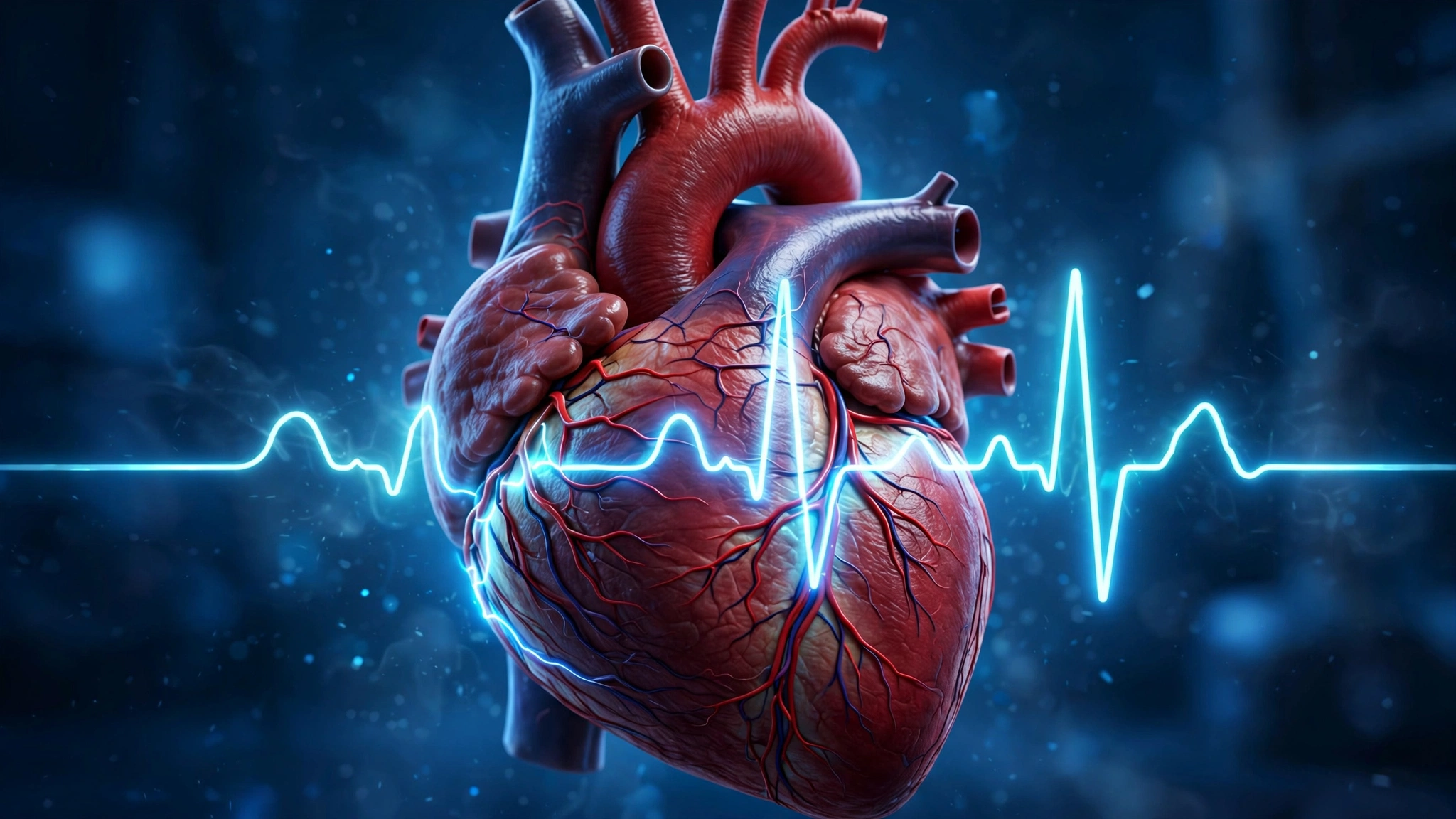
Your heart skips a beat. Or maybe it flutters like a bird trapped in your chest. You chalk it up to too much coffee, or stress, or getting older — and it passes. But for millions of Americans, that flutter isn't harmless. It's atrial fibrillation, the most common serious heart rhythm disorder in the country, and it can be quietly raising your risk of stroke fivefold while you feel just fine.
The Centers for Disease Control and Prevention (CDC) estimates that between 2.7 and 6.1 million Americans have atrial fibrillation, often called AFib — a number projected to reach 12.1 million by 2030 as the population ages. Yet many people with AFib don't know they have it, because in a significant share of cases, there are no symptoms at all.
The good news: once found, AFib is highly treatable, and treatment dramatically lowers stroke risk. Here's what every American adult should know.
What atrial fibrillation actually is
Your heartbeat is controlled by a tiny cluster of cells in the upper right chamber of the heart called the sinus node — the heart's natural pacemaker. It sends an electrical signal that tells the heart's chambers to contract in a coordinated rhythm: atria first, then ventricles. Steady, efficient, about 60 to 100 beats per minute at rest.
In atrial fibrillation, that electrical system goes haywire. Chaotic impulses fire from multiple spots in the atria (the heart's upper chambers), which quiver — fibrillate — instead of squeezing properly, beating 300 to 600 times per minute. The ventricles receive a storm of erratic signals and beat fast and irregularly.
Think of it like this: a normal heart is a well-rehearsed orchestra playing in time. A heart in AFib is every musician playing a different song at full volume.
Why it's a stroke risk — not just a rhythm problem
AFib itself is rarely immediately life-threatening. The real danger is what happens when the atria stop pumping effectively: blood can pool and stagnate in the upper chambers, forming clots. If a clot breaks loose, it can travel to the brain and cause a stroke.
The CDC reports that people with AFib are four to five times more likely to have a stroke than those with a normal heartbeat — and strokes caused by AFib tend to be more severe, with greater disability and higher death rates. AFib contributes to roughly 130,000 deaths in the U.S. each year, a number that has been climbing for two decades.
Call 911 immediately if you feel chest pain with shortness of breath or fainting — or spot stroke signs: face drooping, arm weakness, slurred speech, sudden confusion, or sudden vision changes. Time is brain.
The symptoms (and the ones you never feel)
Some people feel their AFib clearly. The most common symptoms include:
- Palpitations — a racing, fluttering, pounding, or irregular heartbeat that feels like your heart is flip-flopping in your chest
- Fatigue or weakness that doesn't match your activity level
- Shortness of breath, especially during exertion
- Dizziness, lightheadedness, or fainting
- Chest discomfort — pressure, tightness, or a dull ache
- Anxiety or sweating during episodes
But here's the unsettling part: up to one-third of people with AFib have no noticeable symptoms — so-called "silent AFib." They may only discover the condition during a routine physical, an ER visit for something else, or — tragically — after a stroke. This silent majority is exactly why AFib earns its "silent" reputation.
Who's at risk
Advancing age is by far the strongest risk factor — AFib becomes significantly more common after 65. Other major risk factors include high blood pressure (the biggest modifiable one), heart disease, obesity, diabetes, sleep apnea, heavy alcohol use, smoking, overactive thyroid, and family history.
How it's diagnosed — and how smartwatches changed the game
The definitive diagnosis comes from an electrocardiogram (ECG/EKG): a painless, minutes-long test that records your heart's electrical activity. If your doctor suspects AFib, they may also order a Holter monitor — a portable ECG you wear for 24 to 48 hours — to catch episodes that come and go.
In recent years, consumer wearables have become an unexpected early-warning system. The Apple Watch's ECG app, the Samsung Galaxy Watch, Fitbit devices, and dedicated devices like KardiaMobile can detect possible AFib from your wrist or fingertips. These gadgets aren't a substitute for medical testing, but they've flagged countless cases of silent AFib.
The takeaway: if you have risk factors — especially if you're over 65 — ask your doctor about heart rhythm screening at your next checkup. It's a two-minute test that can change everything.
Treatment: what actually works
AFib treatment has two main goals: preventing strokes and controlling the rhythm or heart rate. Options include:
Blood thinners (anticoagulants). For most AFib patients, preventing clots is the top priority. Modern drugs like apixaban (Eliquis) and rivaroxaban (Xarelto) have largely replaced warfarin for new patients because they're effective, don't require frequent blood monitoring, and have fewer dietary restrictions.
Rate and rhythm control. Beta-blockers or calcium channel blockers slow the heart rate, while anti-arrhythmic drugs can help keep the rhythm normal. For some patients, an electrical cardioversion — a brief, controlled shock under sedation — resets the heart back into rhythm.
Catheter ablation. A minimally invasive procedure in which a cardiologist threads a catheter to the heart and destroys the tiny areas of tissue causing the chaotic signals. Success rates run 70 to 85%, and it's increasingly recommended earlier in treatment.
Lifestyle changes. They don't replace medical treatment, but they matter: losing excess weight, treating sleep apnea, cutting back on alcohol, quitting smoking, and controlling blood pressure can reduce AFib episodes.
Five things you can do this week
- Learn your pulse. Place two fingers on your wrist and count for 30 seconds, then double it. A normal resting rate is 60–100. If it feels fast, pounding, or irregular — mention it to your doctor.
- Check your blood pressure. High blood pressure is AFib's biggest modifiable driver. Most pharmacies have free cuffs, and home monitors cost under $40.
- Ask about sleep apnea. If you snore heavily or wake up gasping, get evaluated. Treating apnea meaningfully lowers AFib risk.
- Cut the binge drinking. Even weekend binges can trigger episodes. The American Heart Association's general guidance: moderate alcohol intake or avoid it.
- Move daily. Regular moderate exercise — brisk walking, swimming, cycling — strengthens the heart and helps control weight, blood pressure, and blood sugar.
The bottom line
Atrial fibrillation is common, often silent, and responsible for some of the most devastating strokes in America. But it's also one of the most treatable heart conditions we have — and the stroke risk it creates is largely preventable with modern blood thinners and early rhythm management.
If your heart ever flutters, races, or pounds for no clear reason — or if you're over 65 and haven't had your rhythm checked — bring it up with your doctor. A two-minute ECG could be the most important heart test you never knew you needed.
📚 Keep reading:

That Ringing in Your Ears: Why It Happens & What Helps
Roughly 1 in 10 American adults has experienced tinnitus — that phantom ringing, buzzing or hissing only you can hear. Here's why it happens and what actually helps.

Spot Skin Cancer Early: The ABCDE Rule
One in 5 Americans will get skin cancer by age 70. Dermatologists' ABCDE rule turns a 5-minute mirror check into a life-saving habit — here's how to use it.

Restless Legs at Night: Why They Won't Sit Still
Creepy-crawly legs that keep you up past midnight? Restless legs syndrome affects up to 1 in 10 Americans. What's behind it — and 7 proven ways to calm them.