Belly Fat Is a Heart Risk, Not Just a Cosmetic One
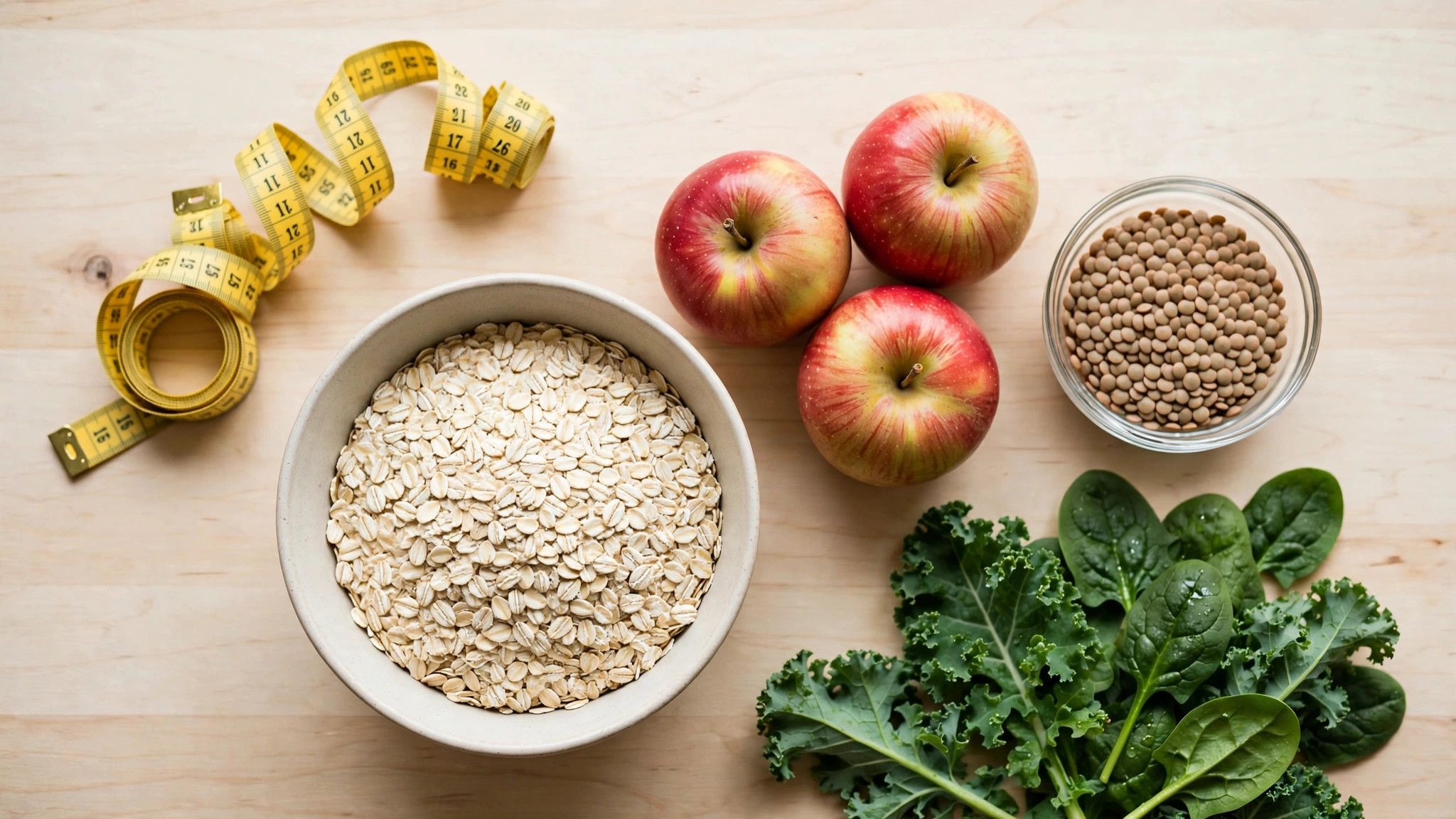
Your belt is telling you something your scale won't. Two people can weigh the same 180 pounds, eat roughly the same food, and look entirely different in a mirror — and the one carrying the extra weight around the midsection is the one in real trouble. Not because of how it looks. Because of what's underneath.
That deeper layer of abdominal fat — called visceral fat — wraps around your liver, pancreas, and intestines like packing foam, and it behaves less like stored energy and more like an active organ. One that pumps inflammatory chemicals straight into your bloodstream, raises your blood pressure, scrambles your insulin, and quietly raises your odds of a heart attack, stroke, and type 2 diabetes. This isn't fitness-industry scare talk. It's the consensus of decades of cardiology and endocrinology research.
The good news: visceral fat is also the first fat to go when you make the right moves. Here's what the science says and how to fight back.
The Two Kinds of Belly Fat (Only One Is Dangerous)
Press your fingers into your stomach. The squishy layer you can pinch is subcutaneous fat — fat under the skin. It's annoying, it's stubborn, and for the most part it's cosmetically frustrating rather than medically alarming.
Visceral fat is the layer you can't pinch. It sits deep inside the abdominal cavity, cushioning your organs. You can't see it or grab it, but you can often spot its signature: a firm, protruding belly that sticks out even on otherwise slim people — the classic "beer belly" shape. Men are more prone to it; after menopause, women's risk climbs sharply too.
Here's what makes visceral fat different: it's metabolically active. Fat cells in the visceral depot release free fatty acids directly into the portal vein, which feeds straight into the liver. They also churn out inflammatory cytokines — the same molecules involved in chronic inflammation, which researchers now link to heart disease, diabetes, dementia, and even some cancers.
"Thin on the outside, fat on the inside" is a real phenomenon. A person with a normal BMI but a large waist can carry more metabolic risk than a heavier person whose weight is distributed on the hips and thighs.
What the Numbers Say
- Waist circumference beats BMI. Multiple large studies have found that waist size predicts heart disease and mortality better than body mass index. The cutoffs used by the American Heart Association and CDC: more than 40 inches for men and more than 35 inches for women signals elevated risk.
- The waist-to-height rule. A simple target backed by research: keep your waist under half your height. If you're 5'9" (69 inches), aim for a waist under 34.5 inches. It's easier to remember than any chart.
- One inch matters. Studies tracking tens of thousands of adults have found that every extra 2 inches of waist circumference correlates with roughly a 7% higher risk of cardiovascular events — even after adjusting for overall body weight.
- America's scale of the problem. The CDC estimates that over 40% of U.S. adults have obesity, and metabolic syndrome — the cluster of high blood pressure, high blood sugar, and excess abdominal fat — affects roughly 1 in 3 American adults.
How to Measure Yours (60 Seconds)
You don't need a DEXA scan. A soft tape measure gives you a useful answer:
- Stand relaxed and find the top of your hip bones.
- Wrap the tape around your waist at that level — just above the hips, usually around the belly button.
- Exhale normally and read the number. Don't suck in.
Compare against the 40/35-inch cutoffs, or divide by your height and check you're under 0.5. Do this once a month — it's a better progress tracker than the scale, because visceral fat drops before your weight moves much.
What Actually Shrinks Visceral Fat
Spot-reducing with crunches doesn't work. But the boring fundamentals do — and they work faster on visceral fat than on the pinchable kind.
Eat like you mean it
- Cut the sugary drinks. Liquid sugar is the single biggest driver of visceral fat in the American diet. One 20-ounce soda packs about 65 grams of sugar. Switching to water or unsweetened tea is the highest-leverage dietary change you can make.
- Hit 25–35 grams of fiber a day. Soluble fiber (oats, beans, lentils, apples, flaxseed) feeds gut bacteria that produce compounds linked to lower visceral fat. Only about 5% of Americans hit the fiber target.
- Get enough protein. Aim for roughly 0.7–1 gram per pound of body weight per day, spread across meals. Protein preserves muscle during fat loss and keeps you full — and research ties higher protein intake to less abdominal fat regain.
- Watch the alcohol. Alcohol calories are preferentially stored as visceral fat, and heavy drinking raises cortisol, which drives belly fat too. Even cutting back from 3 drinks a night to 1 makes a measurable difference.
Move the right way
- Walk after meals. A 10–15 minute walk after dinner blunts blood-sugar spikes and, over weeks, visibly trims the waistline. It's the most underrated fat-loss tool in existence.
- Lift weights 2–3 times a week. Strength training after 40 does double duty: it burns visceral fat and preserves the muscle that keeps your metabolism humming. You don't need a gym — bodyweight squats, push-ups, and rows work.
- Add Zone 2 cardio. Brisk walking, easy cycling, swimming — anything where you can talk but not sing — for 150 minutes a week. Moderate cardio preferentially burns visceral fat.
- Sleep 7–9 hours. Short sleepers (under 6 hours) carry significantly more visceral fat in study after study. One well-known trial found that extending sleep to 8 hours reduced visceral fat by about 11% in just two weeks.
Tame the cortisol
Chronic stress raises cortisol, and cortisol specifically encourages fat storage around the belly. Ten minutes of daily stress management — walking, box breathing, journaling, calling a friend — isn't wellness fluff; it's a fat-loss strategy.
The Bottom Line
Your waistline is one of the cheapest, most powerful health tests you own — no lab, no copay, no appointment. If the tape measure reads over 40 inches (men) or 35 inches (women), or more than half your height, take it seriously: that's visceral fat talking, and it's asking for heart disease, diabetes, and chronic inflammation.
But here's the part that should motivate, not scare: visceral fat responds beautifully to the basics. Cut the soda, walk after dinner, lift something heavy twice a week, sleep a full night. Most people see the tape move within a month — and the scale is the last place it shows up.
Measure once, start today, and check again in 30 days. Your heart will notice before your mirror does.
📚 Keep reading:

Heartburn or Heart Attack? How to Tell Fast
A burning chest can mean heartburn — or a heart attack. Learn the telltale differences, the symptoms women often miss, and exactly what to do in the moment.

Why You Crave Sugar at Night (and How to Stop It)
Nighttime sugar cravings aren't a willpower failure — they're biology. Here's why your brain begs for dessert after dinner, and science-backed ways to shut the craving down.

Couch to 5K by Thanksgiving: Your 6-Week Turkey Trot Plan
Six weeks until Thanksgiving is enough time to go from couch to 5K. Here's the exact run-walk plan, gear tips, and race-day strategy for your first Turkey Trot.