Carbon Monoxide: The Winter Killer Hiding in Your Home
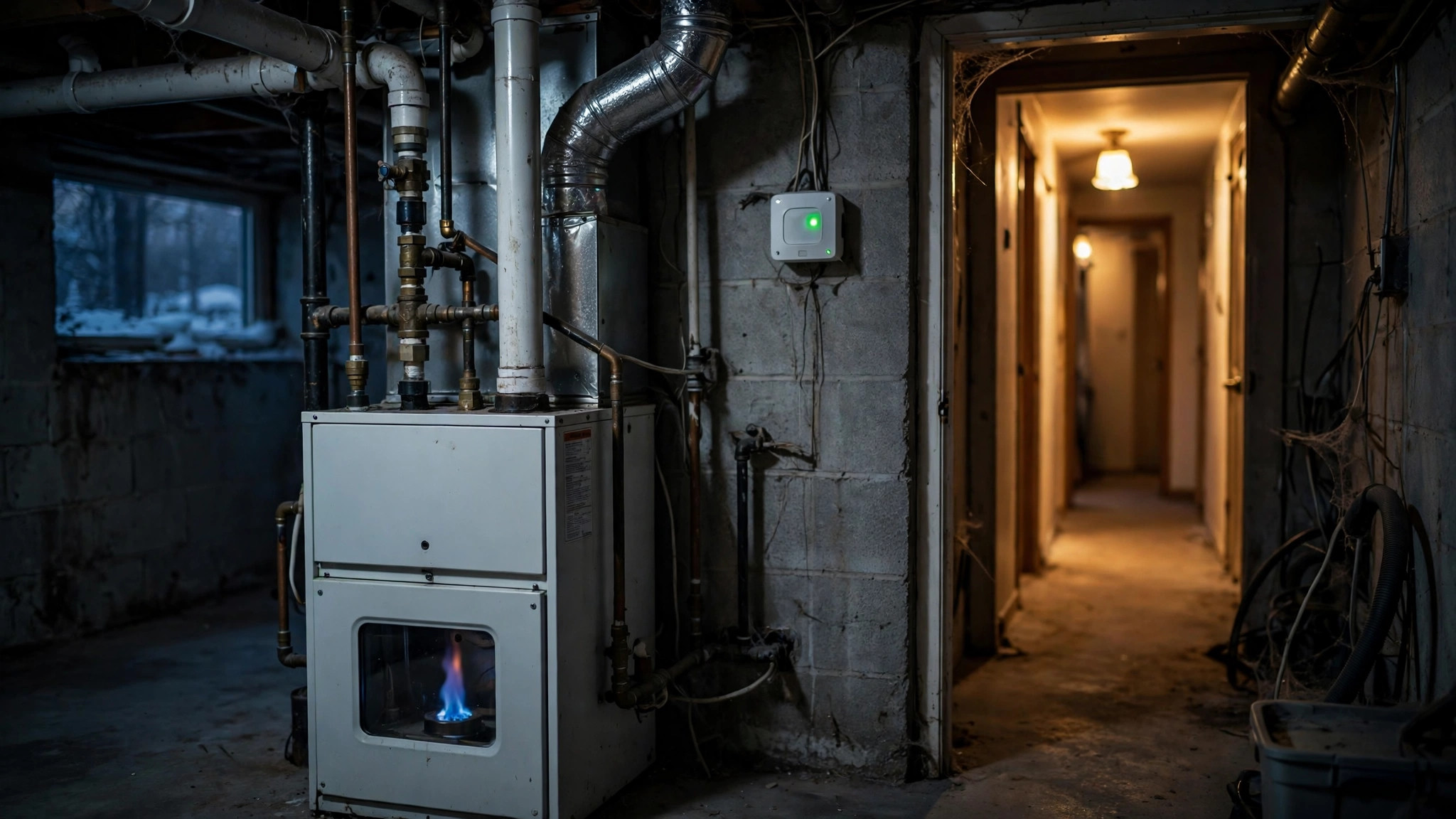
You cannot see it, smell it, or taste it — and by the time it makes you feel sick, it may already be too late to walk out of the room. Carbon monoxide, the odorless gas your furnace, water heater, car, and generator all produce, is the leading cause of unintentional poisoning deaths in the United States.
According to the Centers for Disease Control and Prevention, more than 400 Americans die every year from unintentional, non-fire-related carbon monoxide poisoning. More than 100,000 end up in the emergency room, and over 14,000 are hospitalized. And the risk is not spread evenly across the calendar: cases surge every year from December through February, when furnaces run constantly, fireplaces glow, and power outages send people reaching for portable generators.
With heating season about to start, this is the year to take carbon monoxide seriously. Here is where the danger hides, how to recognize poisoning before it is too late, and the simple steps that genuinely prevent it.
Why carbon monoxide is so dangerous
Carbon monoxide (CO) is produced whenever fuel — natural gas, propane, oil, gasoline, wood, charcoal — burns incompletely. When you breathe it in, it latches onto the hemoglobin in your red blood cells far more readily than oxygen does, so your blood keeps circulating but carries less and less oxygen to your brain and heart.
That is what makes CO so insidious. Victims do not gasp or choke; they simply get sleepy, and people who are asleep or intoxicated can die before ever experiencing a symptom.
The symptoms mimic the flu — and that fools people
The most common early signs of CO poisoning are headache, dizziness, weakness, nausea or vomiting, chest pain, and confusion — doctors describe them as "flu-like," which is exactly what makes CO so deadly in winter, when everyone expects the flu anyway.
Two clues can save your life:
- Fever. The flu gives you a fever. Carbon monoxide poisoning does not.
- Who feels sick. If several people (or pets) in the same house all develop headaches and nausea at once, it is probably not a virus — it is probably the air.
At high levels, CO causes loss of consciousness, seizures, and death — and survivors of severe poisoning can suffer delayed brain injury weeks later, with memory and concentration problems.
Where CO hides in an American home
The usual suspects, ranked by how often they kill:
Portable generators. The single deadliest consumer product in the CO story. The Consumer Product Safety Commission has recorded thousands of generator-related CO deaths in recent decades — and people wheel them into garages, basements, and covered porches during power outages, not realizing the gas seeps through walls into the living space.
Furnaces and boilers. Cracked heat exchangers, blocked flues, and furnaces starved of combustion air can push CO into your ductwork. The National Fire Protection Association notes that heating equipment is a leading source of non-fire CO incidents in homes. A furnace that has not been serviced in years is a furnace you are gambling on.
Cars in attached garages. Warming up the car with the garage door closed — even "just for a minute," even with the door cracked — can fill an attached garage with lethal levels of CO in minutes. The gas then migrates into the house.
Gas ranges, ovens, and space heaters. Using a gas oven to heat the house (a desperate measure people take during heating outages) is one of the most dangerous things you can do. Unvented space heaters and charcoal grills used indoors are just as bad — charcoal should never, ever burn inside.
Fireplaces and wood stoves. A blocked chimney or a fire smoldering with the damper closed can backdraft CO into the room — birds' nests, creosote buildup, and ice-capped flues are classic winter culprits.
Everyone is vulnerable, but the CDC notes that unborn babies, infants, adults over 65, and people with heart disease, anemia, or breathing problems are hit hardest. Renters should note that landlords control furnace maintenance and detector placement in many states.
What to do if you suspect CO poisoning
If your CO alarm sounds — or if several people in the home develop sudden flu-like symptoms without fever — act immediately:
- Get everyone (including pets) outside into fresh air right now. Do not open windows first, do not look for the source, do not finish what you were doing.
- Call 911 from outside. Fire departments carry CO meters and will ventilate and test your home. In the U.S., fire crews respond to tens of thousands of non-fire CO calls every year — this is routine for them, and calling is never an overreaction.
- Do not re-enter until responders say it is safe. CO can linger, and a second exposure after a partial recovery can be worse than the first.
- Get medical care even if you feel better outside. Doctors can measure carboxyhemoglobin with a simple blood test, and treatment is high-flow oxygen — sometimes in a hyperbaric chamber for severe cases. And if the alarm sounds, take it seriously even if nobody feels sick: CO can incapacitate you before you notice, and "probably a low battery" is a gamble no one should take.
Prevention: the checklist that actually works
The good news is that CO deaths are almost entirely preventable. Here is what works, in order of impact:
Install CO detectors — and maintain them. Put one on every level of your home and inside or just outside each sleeping area. Test them monthly, replace batteries yearly (or buy sealed 10-year units), and replace the detector itself every 5–7 years — the sensor wears out.
Service your heating system every year. A qualified technician should inspect the furnace, boiler, water heater, and chimney annually, before heating season. A cracked heat exchanger or blocked flue is invisible to you but obvious to a pro.
Never run a generator indoors — not even the garage. Keep portable generators at least 20 feet from the house, with the exhaust pointed away from windows and doors. The same goes for charcoal grills, camp stoves, and pressure washers.
Never warm up the car in a closed garage. Back the car out first, then let it idle. Better yet, skip the warmup — modern engines need less than 30 seconds.
Never use the oven to heat your home. And never use unvented fuel-burning heaters as a primary heat source.
Clear vents after snowstorms. Furnace intake and exhaust vents, dryer vents, and the chimney cap should all be free of snow, ice, and debris.
Know your appliances' warning signs. Soot around a furnace or fireplace, a yellow or flickering burner flame (natural gas should burn blue), excessive moisture on windows near fuel-burning appliances, or a pilot light that keeps going out — any of these means call a technician before you use the appliance again.
The bottom line
Carbon monoxide kills quietly, peaks in winter, and is stopped by devices that cost less than a takeout dinner. Before you switch the heat on for the season, spend one weekend on this: detectors on every level, a furnace service appointment, and a firm household rule that generators and grills live outside — always.
It is the cheapest life insurance your family will ever buy.
📚 Keep reading:
Radon: The Silent Killer Hiding in American Homes
Radon kills about 21,000 Americans a year — more than drunk driving — yet 1 in 15 U.S. homes has dangerous levels. A $15 test can catch it. Here's what to do.

Why You're Constipated — and 9 Fixes That Actually Work
About 16 in 100 American adults deal with constipation, a third of those over 60. Gastroenterologists explain what's slowing things down — and the fixes that work.

That Q-Tip in Your Ear Is Doing More Harm Than Good
About 34 kids a day land in the ER from cotton-swab ear injuries. Ear doctors say the ear canal cleans itself — here's the safe way to deal with earwax.