How Much Coffee Is Too Much? Science Has an Answer
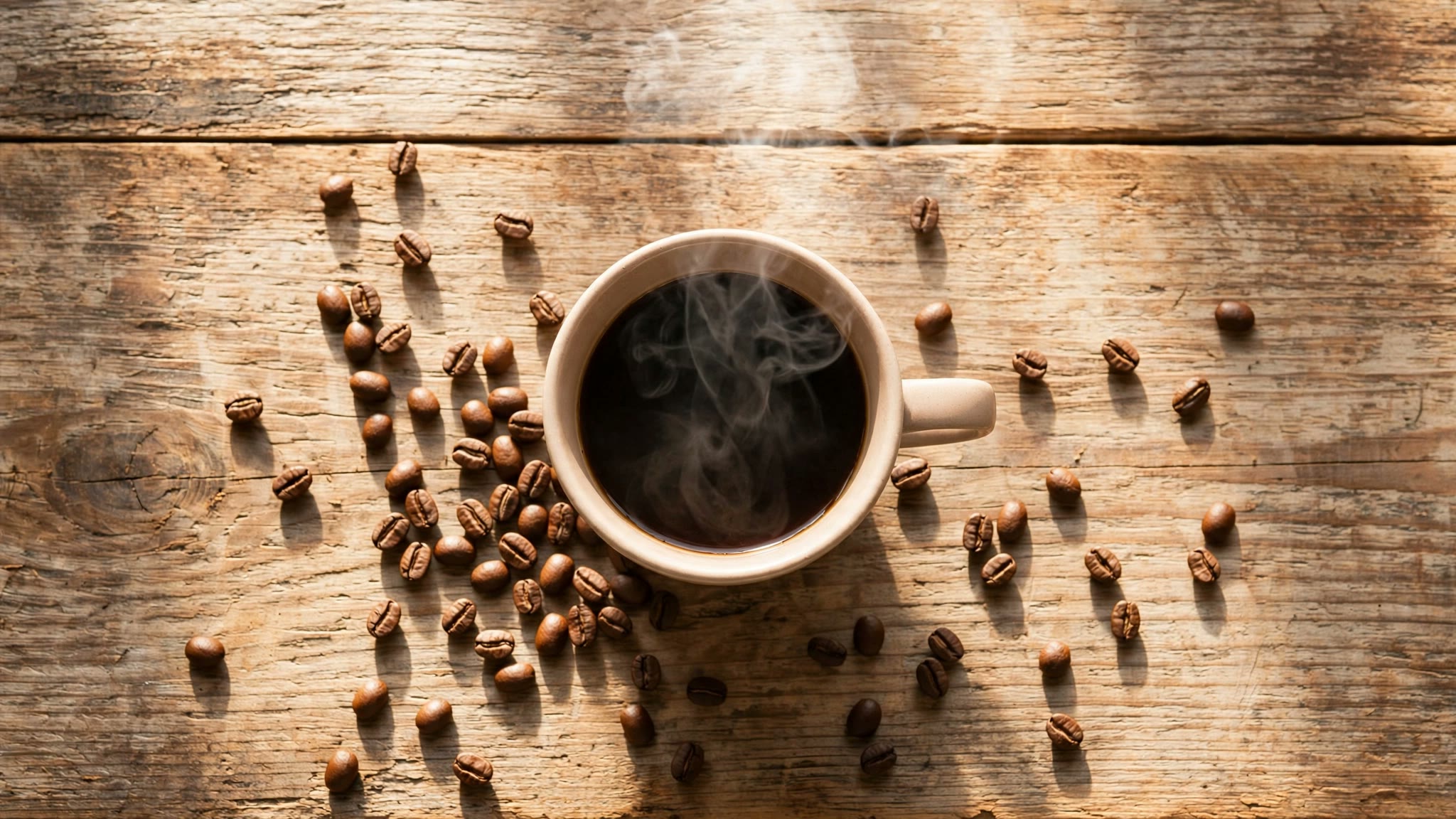
Americans drink roughly 400 million cups of coffee every single day — that's about 3 cups per person over age 18, according to the National Coffee Association. Most of us treat it as pure morning fuel. But research over the past decade has revealed something more surprising: coffee isn't just a stimulant. It's one of the most studied beverages on Earth, and the science on how much is actually good for you has gotten remarkably specific.
So where's the line between a healthy habit and overdoing it? Here's what the evidence says.
The sweet spot: 3 to 4 cups a day
Large-scale studies consistently land on the same number. A landmark analysis published in the Annals of Internal Medicine followed more than 170,000 adults in the UK Biobank and found that people who drank 1.5 to 3.5 cups of coffee per day had a 27% lower risk of early death than non-drinkers — and moderate sweeteners in the coffee didn't erase the benefit.
The numbers get even more interesting at 3 to 4 cups. The European Food Safety Authority (EFSA) and the FDA both converge around 400 milligrams of caffeine per day as the safe upper limit for healthy adults — roughly four 8-ounce cups of brewed coffee. Within that range, studies link coffee to:
- Lower heart disease risk. A 2022 study of over 450,000 adults found that 2 to 3 cups daily was associated with the lowest risk of cardiovascular disease and stroke.
- Better metabolic health. The American Journal of Clinical Nutrition reports that each additional cup of coffee is associated with roughly a 7% lower risk of type 2 diabetes.
- A sharper brain over time. Regular moderate coffee drinkers show lower rates of Parkinson's and Alzheimer's in long-term observational studies — likely thanks to caffeine plus coffee's 1,000+ bioactive compounds, including chlorogenic acid and polyphenols.
It's not just the caffeine doing the work. Decaf drinkers see many of the same benefits, which tells researchers that coffee's antioxidants and anti-inflammatory compounds matter just as much as the stimulant effect.
When benefits start turning into harm
Past the 400 mg threshold — about 4 regular cups, or 5 to 6 shots of espresso — the story changes. Caffeine's half-life is roughly 5 to 6 hours, which means half of your 4 PM latte is still circulating at 10 PM.
Here's what overconsumption can do:
- Wreck your sleep architecture. Caffeine doesn't just delay sleep — it reduces deep, slow-wave sleep, the stage your body needs for physical recovery and memory consolidation. Even coffee consumed 6 hours before bedtime cuts total sleep by over an hour, per a landmark Journal of Clinical Sleep Medicine study.
- Raise anxiety and jitters. Sensitivity varies by genetics, but high doses reliably increase restlessness, racing heart, and anxious feelings — especially in people with anxiety disorders.
- Trigger blood pressure spikes. A single strong coffee can raise blood pressure by 5 to 10 mm Hg in caffeine-naive individuals. Habitual drinkers develop tolerance, but the spike never fully disappears.
- Cause dependence and withdrawal. Drink 300+ mg daily for two weeks and your brain adapts. Miss your morning cup and you'll likely feel the classic withdrawal: headache, fatigue, irritability, and trouble concentrating — starting within 12 to 24 hours.
There's also a hidden trap: caffeine content varies wildly. A "small" drip coffee at some chains packs 180 mg, while an energy drink can carry 300 mg plus 50+ grams of sugar. It's the dose that matters, not the number of cups.
Timing matters as much as amount
Your first cup's timing shapes the whole day. Cortisol — your natural wake-up hormone — peaks roughly 30 to 45 minutes after you wake. Drinking coffee during that peak adds little benefit on top of an already-alert body, and may blunt caffeine's effect over time.
A better strategy, supported by sleep researchers:
- Wait 60 to 90 minutes after waking before your first cup, letting cortisol do its job first.
- Set a caffeine curfew: noon to 1 PM. With a 5-to-6-hour half-life, afternoon coffee is the most common cause of unexplained insomnia.
- Front-load your intake. Two cups before noon beats one cup every few hours across the day — same total caffeine, far less nighttime interference.
Who should drink less?
The 400 mg guideline applies to healthy adults. Some groups need tighter limits:
- Pregnant people should stay under 200 mg per day (about one 12-ounce coffee), per the American College of Obstetricians and Gynecologists.
- People with anxiety disorders or arrhythmias often do better with half that — or decaf.
- Teens and children shouldn't exceed about 100 mg daily; the American Academy of Pediatrics discourages energy drinks entirely for adolescents.
- Poor sleepers may benefit from a personal experiment: two caffeine-free weeks is the fastest way to find out how much it's costing you.
Also worth noting: if your coffee is really a 600-calorie dessert in a cup — whipped cream, syrups, whole milk — the metabolic benefits get quietly erased by the sugar load. Black coffee has about 2 calories per cup.
The practical takeaway
Coffee is one of the rare daily habits where the science is genuinely encouraging — 3 to 4 cups, consumed before early afternoon, black or with minimal additions, is linked to real health benefits. The problems start with the fifth cup, the afternoon refills, and the sugar-laden coffee drinks that bear little resemblance to actual coffee.
The simplest test: if you can't skip a day without a headache, or if you need caffeine after 2 PM to function, your habit may be working against you. Cut back gradually — 25 to 50 mg less every few days — to avoid withdrawal, and see how your energy and sleep respond within two weeks.
Your morning cup isn't the enemy. The four cups after it might be.
📚 Keep reading:

VO2 Max: The Fitness Metric That Predicts Your Lifespan
Scientists say cardiorespiratory fitness predicts lifespan better than blood pressure or cholesterol. Here's what your VO2 max means — and how to raise it.

The 10-Minute Walk That Tames Blood Sugar After Meals
Research shows a short walk after meals can blunt blood sugar spikes by nearly a third. Here's the science — and the exact timing that works best.

Your Grip Strength Predicts Your Health — Here's Why
Doctors are calling grip strength a window into your biological age. What the landmark research found — and the simple exercises that rebuild it.