Does Turkey Really Make You Sleepy? The Tryptophan Truth
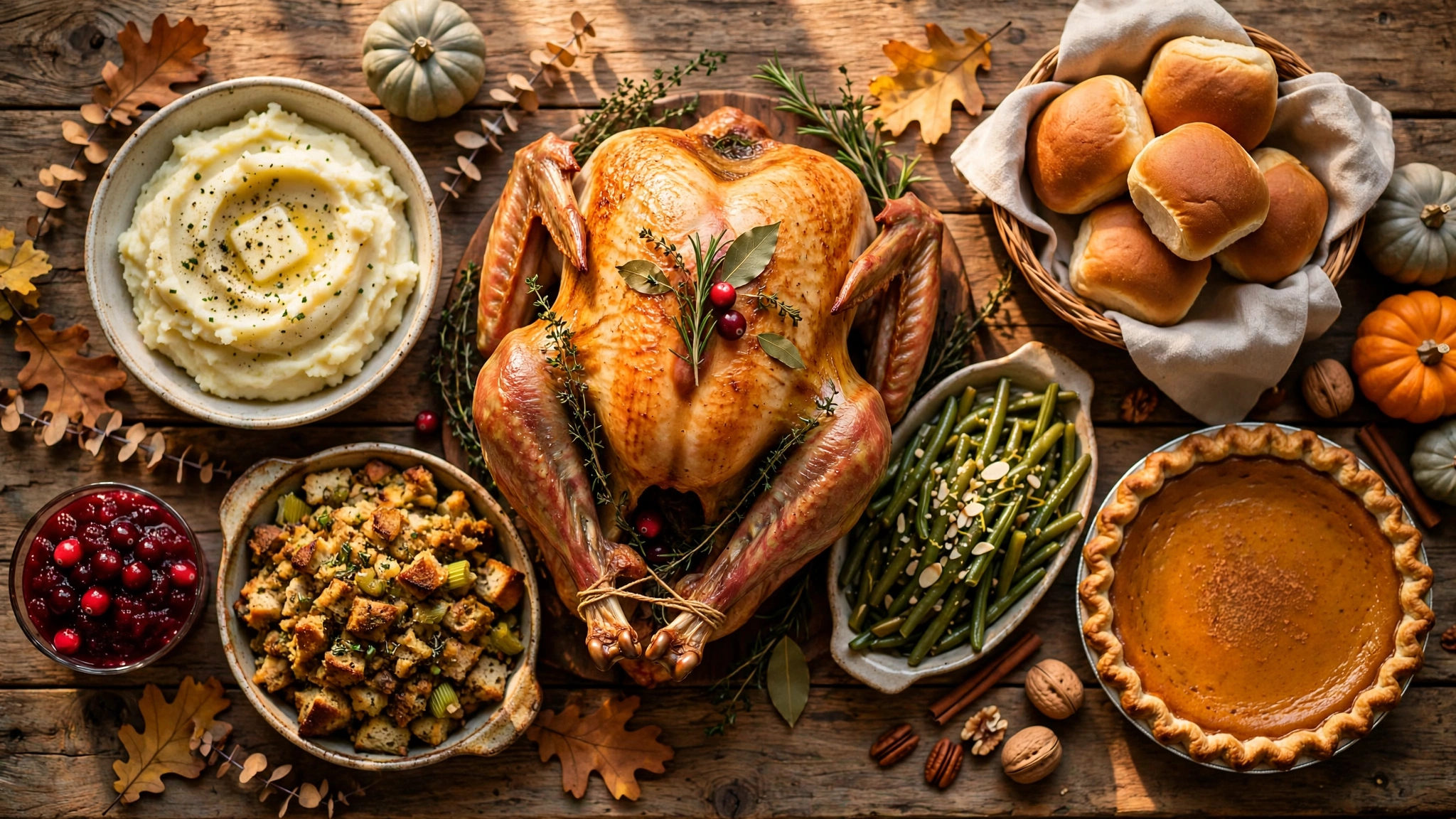
It's 3:30 on Thanksgiving afternoon. The dishes are stacked, the Lions are losing, and Uncle Mike is asleep on the couch mid-sentence, gravy stain and all. Somebody says what everybody says every year: "It's the tryptophan. The turkey knocks you out."
It's a great line. It's repeated on morning shows, printed on novelty napkins, and believed by roughly everybody. It's also wrong. The turkey is innocent — and the real reasons you're sleepy are far more interesting.
Where the myth came from
The story starts with real biochemistry. Turkey, like all protein foods, contains tryptophan, an essential amino acid your body can't make on its own. Tryptophan is the starting material for serotonin, and serotonin is a precursor to melatonin — the hormone your pineal gland releases at night to tell your brain it's bedtime. Chain the logic together and it sounds convincing: turkey → tryptophan → serotonin → melatonin → nap.
In the 1980s, tryptophan supplements were briefly popular as a sleep aid before a manufacturing contamination scare pulled them from shelves, which glued the "tryptophan = sleep" idea into the public imagination. By the 1990s, the turkey coma was a certified American tradition.
Turkey isn't special
Here's the problem: turkey contains about the same amount of tryptophan as chicken, beef, pork, lamb, and fish — roughly 350 milligrams in a 4-ounce serving. Turkey actually has slightly less tryptophan per gram than chicken. Cheddar and Parmesan cheese contain significantly more. Eggs, nuts, soybeans, and even chocolate are comparable.
Think about it: you've never heard anyone say, "That grilled cheese knocked me right out." Yet cheddar outranks turkey on tryptophan. Nobody falls asleep after a rotisserie chicken on a Tuesday.
The numbers are even more damning. When researchers study tryptophan as a sleep aid, therapeutic doses start around 500 to 1,000 milligrams — one-and-a-half to three full servings of turkey, taken on an empty stomach, in a capsule, with no competing amino acids. And even then, the evidence that oral tryptophan reliably improves sleep in healthy people is modest at best.
There is one more wrinkle. Tryptophan has to cross the blood-brain barrier to do anything, and it shares its transport channel with a crowd of other amino acids — the very amino acids that are abundant in a protein-heavy food like turkey. They effectively crowd tryptophan out. It's carbohydrates, not turkey, that help tryptophan across: carbs trigger insulin, insulin clears competing amino acids from the blood, and tryptophan gets a clearer path to the brain. In other words, the stuffing and mashed potatoes are more "sleep-inducing" than the bird is.
What actually knocks you out
So why does the couch always win? Blame the whole plate — and the whole day.
You eat an astonishing amount of food. The Calorie Control Council estimates the average Thanksgiving dinner alone delivers about 3,000 calories and 229 grams of fat. Add the pre-meal grazing (nuts, dip, cheese, beer) and the after-dinner pie, and many people cruise past 4,500 calories — more than two days' worth of food for some adults in a single afternoon. Digesting that much food is hard physical work, and your body treats it accordingly.
The meal is a carb avalanche. Stuffing, mashed potatoes, rolls, sweet potatoes with marshmallows, pie — Thanksgiving is a masterclass in high-glycemic eating. Big carb loads spike blood sugar and insulin, and the crash that follows reliably produces drowsiness. Researchers sometimes call it postprandial somnolence — "food coma" is the technical term, more or less.
The fat slows everything down. A rich meal takes hours to digest, and blood flow shifts toward the gut. You don't literally "lose blood to your stomach," but the parasympathetic nervous system — the "rest and digest" system — genuinely downshifts your whole body: heart rate eases, you feel warm and heavy, and your brain gets a very clear signal that this is nap time.
Day drinking. Surveys suggest most Thanksgiving hosts serve alcohol, and many Americans have a drink or three before the meal is even cleared. Alcohol is a sedative. Three cocktails plus a 3,000-calorie meal would knock out anyone, turkey or no turkey.
You were already tired. Someone got up at 5 AM to stuff a 16-pound bird. Somebody else drove three hours, wrangled kids, and mediated an argument about cranberry sauce from a can versus homemade. By dessert, your body has been "on" for ten hours. The couch is a relief.
Should you use tryptophan for sleep, then?
If tryptophan is such a dud at Thanksgiving, is there any point eating tryptophan-rich foods for better sleep? The honest answer: a normal diet already gives you plenty. The average American gets around 900–1,000 mg of tryptophan a day from food — protein is everywhere, and deficiency is essentially unheard of outside of starvation.
Some studies suggest pairing an evening meal that includes both protein and some carbohydrates may nudge sleep quality slightly, since the insulin effect helps tryptophan reach the brain. But that's a gentle nudge, not a knockout punch. If you're struggling to fall asleep regularly, the CDC-backed basics — consistent bedtime, a dark cool room, less evening screen time — dwarf anything a food can do.
How to survive Thanksgiving without the coma
You don't have to surrender to the couch. Small strategy changes blunt every real driver of the food coma:
- Eat breakfast. Skipping meals to "save room" backfires — you arrive famished and eat faster and more. A light, protein-rich breakfast tames the binge.
- Pace yourself. It takes about 20 minutes for fullness signals to register. Put the fork down between bites and actually talk to people.
- Watch the alcohol. Alternate each drink with water. You'll sleep better that night, too — alcohol fragments sleep even though it makes you drowsy.
- Take the walk. The traditional post-dinner walk is secretly the best Thanksgiving tradition. A gentle 15–20 minute stroll after a big meal measurably blunts the blood-sugar spike.
- Steal some daylight. A few minutes outside before sunset helps your circadian rhythm stay anchored despite the indoor chaos.
When after-meal sleepiness is a red flag
Feeling drowsy once a year after Thanksgiving is normal physiology. Feeling wiped out after every meal is not. If you consistently need a nap after eating, or if daytime sleepiness interferes with work or driving, talk to your doctor. Heavy post-meal fatigue can be tied to blood-sugar problems, untreated sleep apnea, medication side effects, or thyroid issues — all fixable, but not fixable with a guess about turkey.
So this November, when Uncle Mike passes out on the couch, you can deliver the annual correction: it's not the tryptophan. It's the 4,500 calories, the marshmallow sweet potatoes, the pie, and the bourbon. The turkey was never the problem. Eat it proudly — and take the walk.
Rao Sajid is the founder and editor of VitalDaily. He covers everyday health topics — nutrition, sleep, fitness and wellness — turning guidance from public-health sources like the CDC, NIH and FDA into plain, practical advice. More about Rao →
📚 Keep reading:

Hair Loss in Your 30s: Causes and What Works
Shedding more than usual? The American Academy of Dermatology says 80 million Americans have hereditary hair loss. Here's what causes thinning — and what actually works.
Red Dye No. 3 Is Being Banned: What It Means for You
The FDA is pulling Red No. 3 from American food by January 2027. Here is why the cherry-red dye got banned, where it still hides, and how to spot it on labels.
Nasal Spray Rebound: Why Your Stuffy Nose Won't Quit
That decongestant spray clears your nose in minutes — but use it more than 3 days and it can trap you in a cycle of rebound congestion. Here's how to quit.