Nasal Spray Rebound: Why Your Stuffy Nose Won't Quit
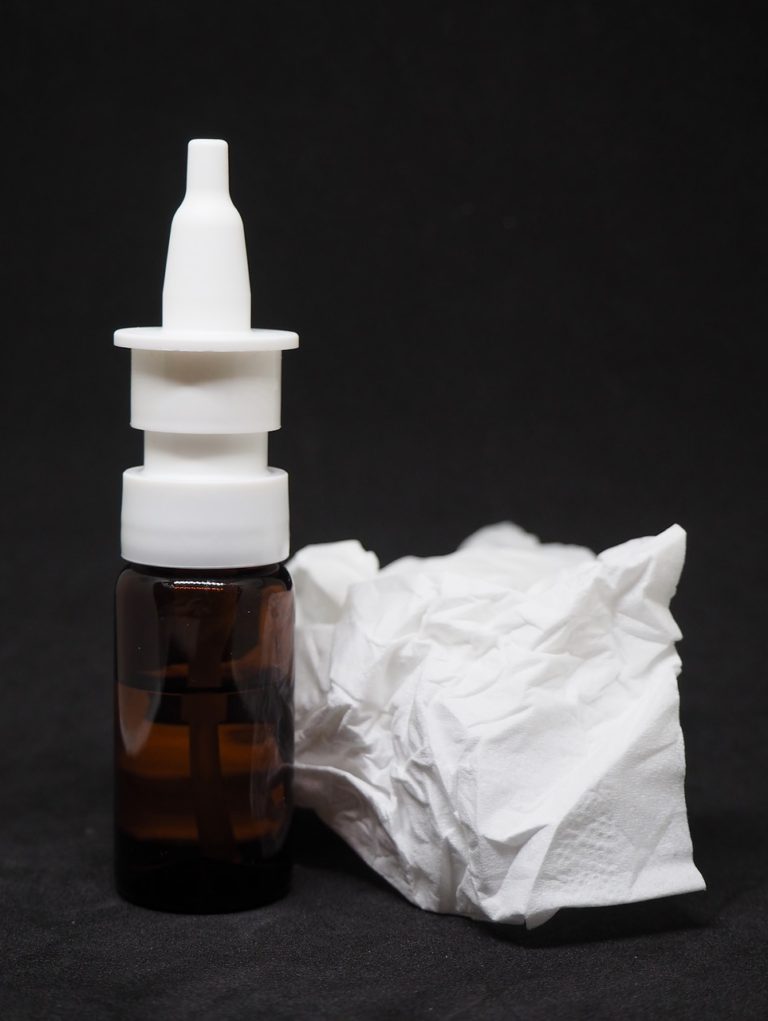
It starts with a cold in October. Your nose is completely blocked, you can't sleep, and that little spray bottle promises "12-hour relief." One spritz per nostril and — bliss. You can breathe again.
Three weeks later, the cold is long gone. But somehow you still can't breathe without the spray. You've gone from using it once a day to keeping a bottle in your purse, your desk drawer, and your car. Congratulations: you've discovered one of medicine's cruelest traps — rebound congestion.
You're not imagining it, and you're not alone. Decongestant nasal sprays are among the most overused over-the-counter products in America, and doctors have a name for what happens next: rhinitis medicamentosa — literally, "runny nose caused by medicine."
How the 12-hour miracle works
Decongestant sprays like Afrin and its store-brand twins contain oxymetazoline (some older formulas use phenylephrine). These are alpha-adrenergic agonists — they tell the tiny blood vessels lining your nose to constrict. Swollen, blood-engorged nasal tissue shrinks, airflow returns, and within minutes you feel human again.
It's genuinely impressive pharmacology. No pill works that fast on a blocked nose. That's exactly why it's so easy to fall in love with it.
The 3-day rule on the box (that everyone ignores)
Every decongestant spray in America carries the same FDA Drug Facts warning: "Do not use for more than 3 days. Frequent or prolonged use may cause nasal congestion to recur or worsen."
Those words are printed in small type on the back of the box — and most people never read them. The spray worked so well on days one, two, and three that day four feels like a no-brainer. After all, the congestion is still there, right? Why wouldn't you keep using what works?
Because past day three, the congestion you're treating is increasingly caused by the spray itself.
What rebound congestion actually is
Here's the biology. When you flood your nasal tissue with a decongestant day after day, the receptors it acts on start to adapt. The blood vessels become less responsive to the drug — a process called tachyphylaxis — and the nasal lining develops its own low-grade inflammation.
So when the spray wears off, the vessels rebound: they swell more than they did before you ever used the product. Your nose feels stuffier than at the start. Naturally, you reach for the spray again. Relief arrives in minutes — which reinforces the habit beautifully. It's a perfect vicious cycle, and it's entirely pharmacological, not a failure of willpower.
How common is it? ENT doctors see it constantly. One UK drug-safety update from April 2026 flagged rebound congestion and rhinitis medicamentosa as recognized, underappreciated risks of overusing xylometazoline and oxymetazoline sprays, noting that patients often mistake the rebound for their original congestion returning — and that recovery after quitting can take weeks to months in severe cases.
The trap: spray → relief → worse → spray
A typical story goes like this:
- Days 1–3: Cold or allergies block your nose. Spray works brilliantly.
- Days 4–7: Cold fades, but every time the spray wears off, congestion roars back — worse than before.
- Weeks 2–4: You're spraying every 8–12 hours "just to function." The label says 3 days max; you've lost count.
- Months later: Some people use these sprays for years. Case reports document use lasting two decades.
The irony is cruel: the product marketed as the cure for congestion becomes the cause of it. And because the relief is instant and the rebound is delayed, your brain files the spray under "medicine that works," not "problem."
Breaking the cycle: how to quit
The good news: rebound congestion is reversible. The bad news: quitting cold turkey means several miserable days of congestion before your nasal tissue recalibrates. Here's the playbook doctors recommend:
1. Stop the decongestant — ideally with a taper. The gentlest exit is the "one nostril" method: stop spraying one nostril while continuing the other, then drop the second nostril a few days later. You'll have at least one working nostril the whole time, which makes the withdrawal survivable.
2. Switch to saline. Saline nasal sprays and rinses (like a neti pot used with distilled or boiled-then-cooled water) moisturize and clear the nasal passages with zero rebound risk. They can be used indefinitely and are safe for kids and pregnant women too.
3. Ask about a steroid spray. Intranasal corticosteroids such as fluticasone (Flonase) reduce inflammation directly and are designed for weeks or months of daily use — no rebound. They take a few days to reach full effect, so they're best started while you're tapering off the decongestant. A pharmacist can walk you through proper technique: aim the nozzle outward, away from the center wall of the nose.
4. Add humidity and hydration. Dry indoor air — especially now that American furnaces are kicking on for fall — thickens nasal mucus and worsens the feeling of blockage. A bedroom humidifier and plenty of fluids genuinely help.
5. Treat the underlying cause. If allergies are driving your congestion, antihistamines or allergy testing may do more for you long-term than any spray. If it's a deviated septum or chronic sinusitis, that's an ENT conversation.
Safer long-term options, ranked
Not all nasal sprays are created equal. Here's the hierarchy for ongoing congestion:
- Saline sprays/rinses — safe indefinitely, no rebound, mild benefit. The boring workhorse.
- Steroid sprays (fluticasone, budesonide) — the gold standard for persistent congestion from allergies or chronic rhinitis. Weeks to months of use is normal and expected.
- Antihistamine sprays (azelastine) — prescription in the U.S., helpful for allergy-driven congestion, no rebound.
- Decongestant sprays (oxymetazoline) — powerful, but strictly a 3-day guest, never a roommate.
One more warning from the FDA label: don't share your spray bottle. Nasal spray nozzles can spread infection between users — and "ask a doctor before use" if you have high blood pressure, heart disease, thyroid disease, or diabetes, since absorbed decongestant can nudge blood pressure and heart rate upward.
When to see a doctor
Quitting usually resolves rebound congestion within one to three weeks. But see a doctor or ENT specialist if:
- Congestion persists more than a few weeks after stopping the spray
- You have nosebleeds, facial pain, or a reduced sense of smell
- You notice visible changes inside the nose or one-sided blockage
- You need the spray to sleep or function and can't taper on your own
Severe, long-standing rhinitis medicamentosa occasionally needs prescription treatment — short courses of oral steroids or, rarely, surgical correction of damaged nasal structures. Catching it early keeps things simple.
The bottom line
Decongestant nasal spray is a fantastic 3-day tool and a terrible long-term habit. The relief is real, but past the FDA's 3-day limit the spray starts manufacturing the very symptom it was bought to treat — and your brain, grateful for those 12 clear hours, won't notice the swap.
If you're already in the cycle, don't beat yourself up: this happens to millions of Americans, and it's a chemistry problem, not a character flaw. Taper with the one-nostril method, lean on saline, consider a steroid spray for the underlying inflammation, and give your nose a couple of weeks to remember how to breathe on its own. It will.
Rao Sajid is the founder and editor of VitalDaily. He covers everyday health topics — nutrition, sleep, fitness and wellness — turning guidance from public-health sources like the CDC, NIH and FDA into plain, practical advice. More about Rao →
📚 Keep reading:

Vaping and Your Lungs: What Science Says in 2026
Nearly 18 million American adults now vape, and use among young adults has exploded. Here is what the science says it does to your lungs — and how to quit.

Zinc for Colds: Does It Actually Shorten Them?
Zinc lozenges are the most-studied cold remedy on the drugstore shelf. Here's what research shows — the timing, dosage, and risks that matter.

Snow Shoveling Sends Thousands to the ER Every Winter
Every winter, snow shoveling triggers thousands of heart attacks across the U.S. — most in men over 45. Here's why this chore is so dangerous and how to clear your driveway without risking your life.