Snow Shoveling Sends Thousands to the ER Every Winter
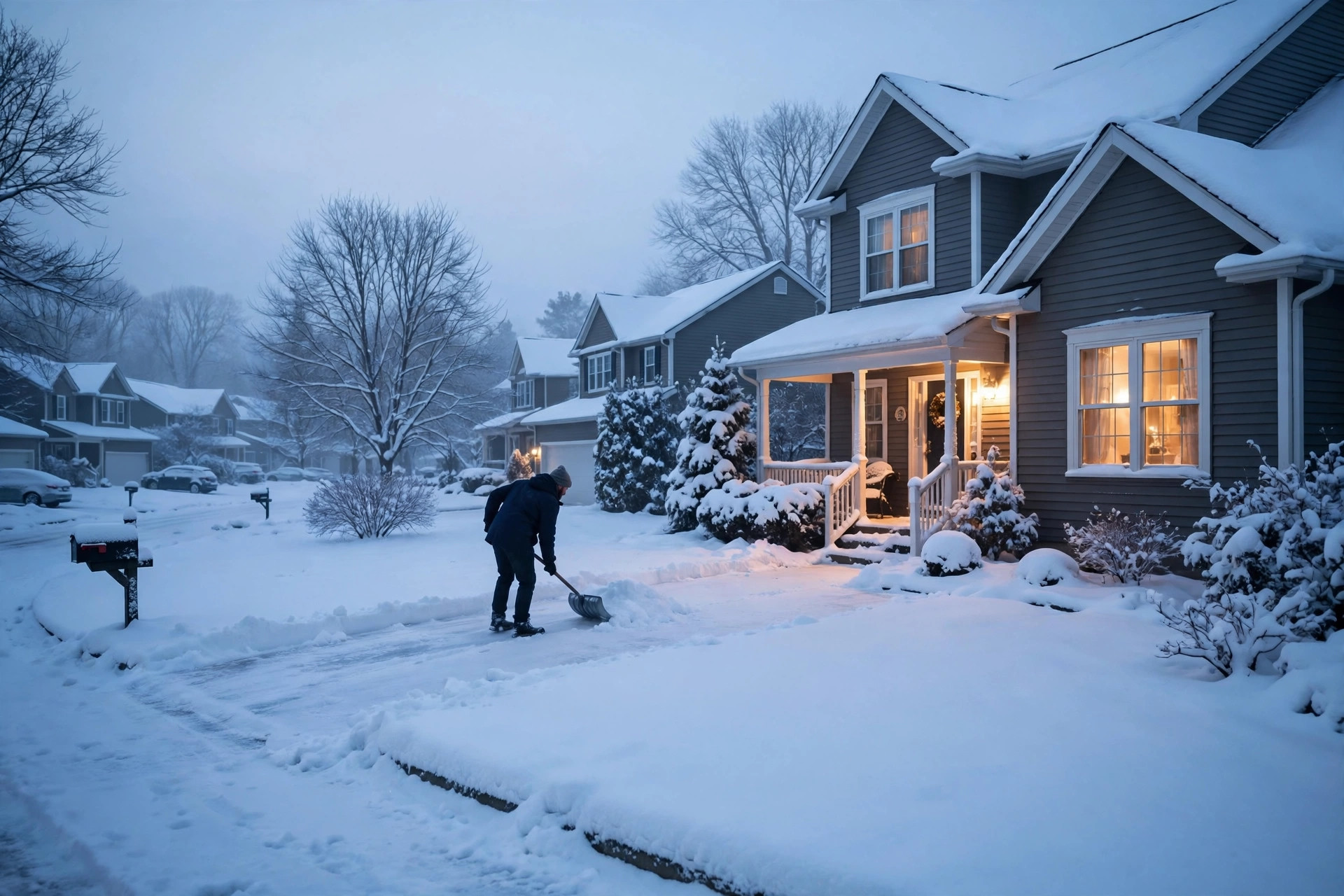
The snowstorm itself won't hurt you. It's what you do the morning after that might.
Every winter, from the first Nor'easter in New England to a surprise spring dump in Denver, the same pattern plays out: a man in his fifties or sixties grabs a shovel to clear the driveway, and an hour later he's in an emergency room — or he never makes it there. Snow shoveling is one of the most dangerous ordinary activities in American winter, and cardiologists call it a "perfect storm" for heart attacks.
Roughly 137,000 people in the United States were treated in emergency departments for snow-shoveling injuries over a 17-year period ending in 2006, according to a nationwide study published in the American Journal of Emergency Medicine. Thousands of those cases were cardiac events — and the yearly toll continues today, with some estimates putting shoveling-related heart attack ER visits around 11,000 annually. The victims are overwhelmingly men, and most are middle-aged or older.
Why a simple chore hits the heart so hard
Shoveling snow is not "just exercise." It is a specific, brutal combination of strains that the body is rarely prepared for — especially when the person doing it hasn't been active all week.
The cold constricts your plumbing. Step out into cold air and your blood vessels narrow to keep your core warm. That vasoconstriction raises blood pressure before you've lifted a single scoop. Cold air also constricts the coronary arteries themselves — the vessels feeding your heart muscle — right when the heart's demand for oxygen is about to spike.
The effort is deceptive. Wet snow is heavy — a single shovelful can weigh 25 pounds or more, and a typical driveway holds hundreds of pounds of it. Shoveling combines arm work (which strains the heart more than leg work), heavy lifting, and the tendency to hold your breath while straining. Research has found that heart rates during shoveling can reach more than 85 percent of maximum in just two minutes — the same zone you'd hit doing an all-out sprint.
The blood-pressure spike is real. In studies of people with high blood pressure, shoveling-type exertion in cold conditions pushed systolic pressure up dramatically, and the heart's oxygen demand climbed to as much as 300 percent above its resting level in patients with coronary artery disease. That's a workload a damaged artery can't always sustain.
The snowfall study every winter should remind you of
The strongest evidence came from a 2017 study in the Canadian Medical Association Journal that tracked hospitalizations across Quebec over two decades. The finding: after a heavy snowfall of about 7 to 8 inches, men had 16 percent higher odds of being hospitalized for a heart attack — and 34 percent higher odds of dying from one. The effect was driven almost entirely by men, and both the amount and the duration of snowfall mattered.
A separate Ontario analysis found that 7 percent of more than 500 wintertime acute heart events were directly tied to snow shoveling. And regional U.S. data show that 11 to 17 percent of winter cardiac arrests in some areas happen during or immediately after shoveling. This is not a rare fluke. It is a measurable, recurring public-health pattern.
As American Heart Association spokesperson Barry Franklin has put it: "People don't run into trouble if they're 20 or 30 because they haven't developed coronary artery disease. But if they're 45 to 50 or older, with known or hidden heart disease — especially people who are habitually sedentary — this activity is very dangerous."
The people who should not be shoveling at all
Doctors and the AHA are blunt about one group: people with known cardiovascular risk factors should not shovel snow. That includes anyone who:
- Has had a heart attack, stroke, bypass surgery, or coronary angioplasty
- Has high blood pressure, high cholesterol, or diabetes
- Is a current or former smoker
- Is habitually sedentary
- Is over 45 with any of the above, or simply hasn't had a recent heart checkup
Even people who consider themselves healthy get caught off guard. Case studies document serious cardiac events striking within 10 minutes of shoveling in men who carried silent risk factors — high blood pressure they didn't know about, early coronary disease with no symptoms. And the biggest early-morning risk window, between roughly 6 and 10 AM, coincides exactly with when most people rush out to clear the driveway before work.
Note that even snow blowers aren't a free pass. Pushing a heavy blower still raises heart rate and blood pressure quickly, and cardiac events have been documented with blower use too.
8 rules for surviving the shoveling season
If you must shovel, cardiologists say these rules genuinely reduce the risk:
1. Warm up first. Ten minutes of light indoor exercise — marching in place, arm circles, light stretching — pre-warms the muscles and eases the shock of the cold on your blood vessels.
2. Push, don't lift. Pushing snow with a shovel is far less taxing than lifting and throwing it. It's the lift-and-throw motion, with its breath-holding and spinal twist, that spikes blood pressure.
3. Take real breaks. Shovel for 10 to 15 minutes, then go inside or stand down. Short rests let your heart rate and blood pressure come back down before they climb into the danger zone.
4. Shovel in shifts — and in small amounts. Clear fresh snow in stages rather than waiting for the storm to end. Two inches of fresh snow is vastly lighter than eight inches of packed, refrozen snow. A smaller shovel or partial loads also help.
5. Skip the early morning and the heaviest hour. If you can wait until temperatures rise a bit and you're fully awake, do it. Never shovel right after a big meal, alcohol, or while smoking — all three add extra cardiac strain.
6. Watch for the real warning signs. Chest tightness, chest pressure or pain, unusual shortness of breath, lightheadedness, nausea, pain radiating to the arm, neck, or jaw — stop immediately and call 911. Don't talk yourself into "just finishing the driveway." About 40 percent of shoveling-related heart attack victims delay calling for help because they mistake the symptoms for sore muscles.
7. Hire it out. For anyone in the high-risk group, the safest shovel is the one a neighbor's kid, a hired service, or a family member is holding. A snow blower helps but doesn't eliminate the strain.
8. Get checked before winter. If you're over 45 and haven't had a physical in a while, an autumn checkup — blood pressure, cholesterol, a conversation about your heart — is the single most useful preparation for shoveling season.
The bottom line
Snow shoveling isn't just exercise in the cold. It's a sudden, maximum-effort workout in freezing air for arteries that may already be narrowing — and the statistics bear it out year after year. The snow will always be there. Give your heart a head start: warm up, push don't lift, take breaks, and if you're at risk, hand the shovel to someone else.
This article is for informational purposes only and is not medical advice. Talk to your doctor about your personal heart risk before doing strenuous winter work.
Rao Sajid is the founder and editor of VitalDaily. He covers everyday health topics — nutrition, sleep, fitness and wellness — turning guidance from public-health sources like the CDC, NIH and FDA into plain, practical advice. More about Rao →
📚 Keep reading:

Lyme Disease Signs Most People Miss (Not Just the Rash)
Fall is peak season for adult deer ticks — and the famous bullseye rash appears in only some cases. Here are the Lyme signs most people miss.

Vitamin K2: The Nutrient Your Calcium Plan Is Missing
You take calcium for stronger bones — but without vitamin K2, that calcium may never reach them. Here's what this overlooked nutrient does, and where to find it.
Why You Snore (and 8 Ways to Stop It Tonight)
Nearly half of American adults snore at least occasionally. Here's what's actually making that noise — plus 8 proven fixes and the warning signs of sleep apnea.