Lyme Disease Signs Most People Miss (Not Just the Rash)
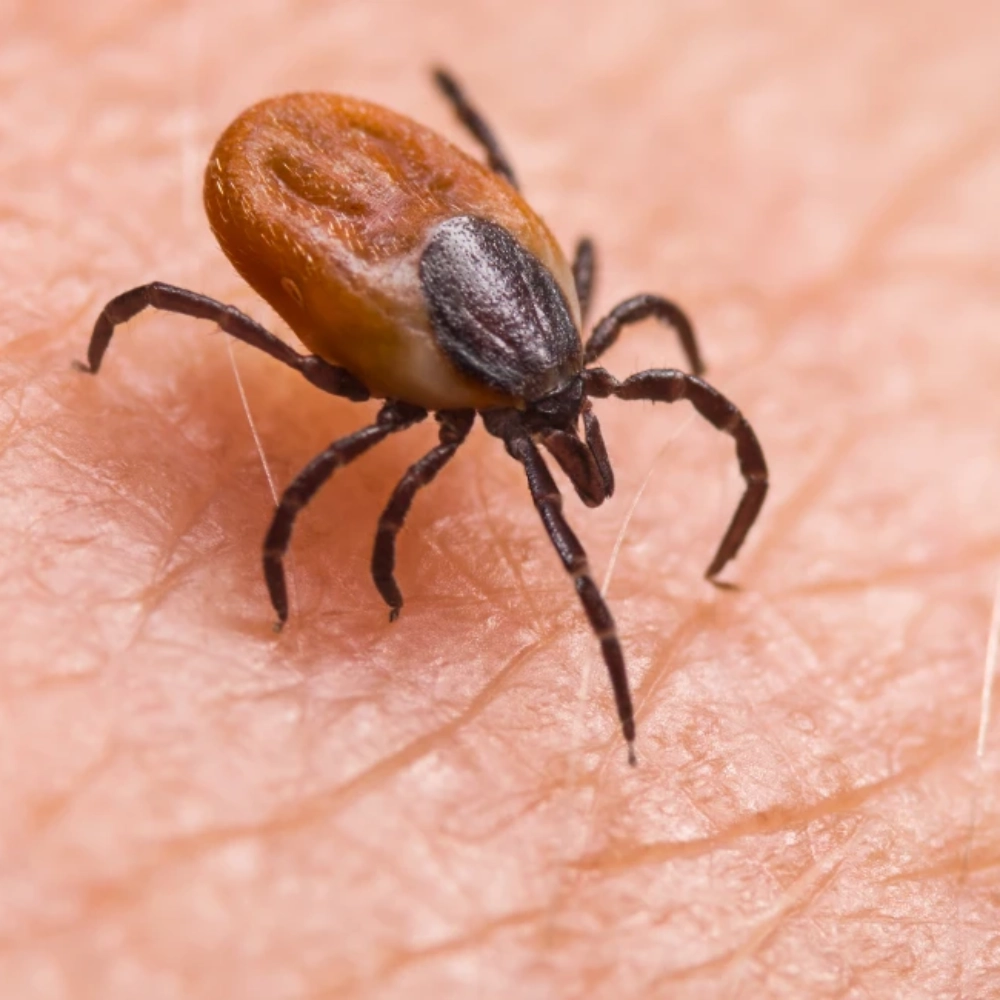
If you think tick season ended with summer, you are exactly who the ticks are counting on. October and November are peak season for adult blacklegged ticks — the deer ticks that carry Lyme disease — and they are out in force right now, from New England hiking trails to suburban backyards with deepening leaf piles.
Lyme disease is the most common tick-borne illness in the United States. The CDC estimates roughly 476,000 Americans are diagnosed and treated for it every year, and more than 89,000 cases were officially reported in 2023 alone. Ticks carrying the Lyme bacterium have now been found in every region of the country, and the tick zone keeps creeping north and west as winters get milder. Yet most people still judge their risk by a single, unreliable clue: the bullseye rash. Here is what doctors wish you knew instead.
The bullseye is not the rule — it is the exception that gets photographed
Ask anyone to describe a Lyme rash and they will picture the classic bullseye: a red ring with a clear center. That rash has a medical name, erythema migrans, and it does show up in roughly 70 to 80 percent of Lyme infections, according to the CDC. But the part nobody mentions is that it usually does not look like the textbook photo.
More often it is a uniformly red oval, or redder in the center with no clearing around it. It typically does not itch or hurt. It shows up 3 to 30 days after the bite — usually within a week or two — and expands slowly, sometimes reaching several inches across.
The takeaway is blunt: absence of a bullseye does not mean absence of Lyme. Waiting for one is how early infections get missed.
The early signs feel like a flu that arrived without a cold
Before any rash, and often instead of one, Lyme announces itself the way a dozen autumn bugs do: fever, chills, headache, bone-deep fatigue, muscle and joint aches, and swollen lymph nodes. If you came back from a hike, a youth-soccer sideline, a hunting trip, or an afternoon of raking leaves and then felt "flu-ish" a week or two later, do not automatically blame the season. Flu-like symptoms with no cough, no runny nose, and no obvious cause — especially 1 to 4 weeks after time outdoors — are worth mentioning to your doctor along with the possible tick exposure.
What happens if Lyme goes untreated
Caught early, Lyme disease is very treatable — usually a 2-to-3-week course of antibiotics such as doxycycline or amoxicillin knocks it out. Left alone, the bacterium Borrelia burgdorferi can spread from the skin into joints, the heart, and the nervous system. Weeks to months after the bite, untreated Lyme can cause:
- Facial palsy (Bell's palsy): one side of the face droops — the mouth, the eyelid, sometimes both — because the bacteria reached the facial nerve.
- Lyme carditis: the heart's electrical system misfires, causing a dangerously slow heartbeat, dizziness, or fainting.
- Lyme arthritis: painful, swollen joints, most often the knees, that can come and go for months.
- Neurological symptoms: severe headaches, neck stiffness, shooting pains, numbness or tingling in the hands and feet, and problems with memory or concentration.
None of this is inevitable — it is simply why a suspicious bite deserves quick attention. The earlier antibiotics start, the simpler everything is.
The 36-hour rule: why fast removal matters more than anything
Here is the detail that changes the math. The Lyme bacterium lives in the tick's gut and has to migrate to its salivary glands before it can infect you — a journey that usually takes 36 to 48 hours of continuous feeding. A tick you find and remove the same day is very unlikely to have transmitted Lyme, even if it was carrying the bacterium.
That is why the daily tick check beats every other prevention method. After time outdoors, check the whole body: scalp and behind the ears, armpits, belly button, waistband, groin, behind the knees, and between the toes. Ticks love warm, hidden spots. Showering within two hours of coming inside can wash off ticks that have not attached yet, and tumbling worn clothes in a hot dryer for 10 minutes kills any hitchhikers the washer missed.
Found one attached? Use fine-tipped tweezers, grasp the tick as close to the skin as possible, and pull straight up with steady, even pressure. Clean the bite with soap and water or rubbing alcohol. Skip the folk remedies — nail polish, Vaseline, and a hot match head can irritate the tick and may actually increase the chance of infection. Save the tick in a sealed bag with the date if you want your doctor to identify it.
How to protect yourself this fall
Adult deer ticks are larger than the poppy-seed-sized nymphs of summer — roughly sesame-seed size — which actually makes them slightly easier to spot. They quest from leaf litter, tall grass, and low brush, not from trees. A few habits cut your risk dramatically:
- Treat your clothes, not just your skin. Permethrin on pants, socks, and boots kills ticks on contact and survives several washes. On exposed skin, use an EPA-registered repellent with DEET (20-30%), picaridin, or oil of lemon eucalyptus.
- Dress so ticks cannot hide. Light-colored long pants tucked into socks make ticks visible and slow their climb.
- Mind the yard. Keep grass short, clear leaf litter from play and patio areas, move woodpiles and bird feeders away from the house (they attract tick-carrying mice and deer), and consider a 3-foot-wide strip of wood chips or gravel between lawn and woods — ticks avoid dry, open ground.
- Protect the dog, protect yourself. Dogs ferry ticks indoors on their fur. Keep pets on a vet-recommended tick preventive year-round, not just in summer.
Adult ticks stay active until the ground freezes — and revive on warm winter days — so in much of the country, tick season no longer truly ends.
When to call your doctor
Call promptly if you find an engorged tick that may have been attached for 36 hours or more, if any expanding red rash appears in the weeks after a bite, or if flu-like symptoms follow outdoor activity with possible tick exposure. For high-risk bites, doctors can prescribe a single preventive dose of doxycycline that sharply reduces the odds of infection — but the window for it is short, usually within 72 hours of tick removal, so do not wait to ask.
Blood tests for Lyme exist, but they can come back negative in the first few weeks while your body is still building antibodies — a negative early test does not overrule a convincing rash or history. When in doubt, an in-person exam beats a lab slip.
This October, the most important outdoor habit is also the simplest: check for ticks every single day you have been outside. Thirty seconds in front of a mirror is the cheapest health insurance fall has to offer.
Rao Sajid is the founder and editor of VitalDaily. He covers everyday health topics — nutrition, sleep, fitness and wellness — turning guidance from public-health sources like the CDC, NIH and FDA into plain, practical advice. More about Rao →
📚 Keep reading:

Vitamin K2: The Nutrient Your Calcium Plan Is Missing
You take calcium for stronger bones — but without vitamin K2, that calcium may never reach them. Here's what this overlooked nutrient does, and where to find it.
Why You Snore (and 8 Ways to Stop It Tonight)
Nearly half of American adults snore at least occasionally. Here's what's actually making that noise — plus 8 proven fixes and the warning signs of sleep apnea.
Always Cold Hands and Feet? 7 Causes and When to Worry
Hands and feet freezing even indoors? Raynaud's, thyroid, or poor circulation could be behind it. Here are 7 causes and the red flags that need a doctor.