Hemorrhoids: Why They Happen and What Actually Helps
It is one of the most common health problems in America, and one of the least talked about. You notice bright red blood on the toilet paper, or an itchy, tender lump that makes sitting uncomfortable, and your first instinct is worry: is this something serious?
Most of the time, it is hemorrhoids, swollen veins in and around the anus and lower rectum. Researchers estimate that about half of American adults have experienced them by age 50. They are painful and sometimes alarming, but they are also very treatable, and a few everyday habits can keep them from coming back.
What hemorrhoids actually are
Think of hemorrhoids as varicose veins in an awkward place. Everyone has cushions of veins around the anus that help control bowel movements. When pressure builds, they swell, stretch, and sometimes bulge or bleed.
There are two main types:
- Internal hemorrhoids sit inside the rectum. They usually do not hurt, because that area has few pain-sensing nerves, but they are the most common cause of painless bright red blood on toilet paper or in the bowl.
- External hemorrhoids form under the skin around the anus. These are the ones that itch, ache, and feel tender when you sit. If a blood clot forms inside one, called a thrombosed hemorrhoid, it becomes a hard, very painful lump.
Many people have a mix of both. Doctors grade internal hemorrhoids from I to IV based on how far they prolapse, or slip out of the anus, but most cases never get anywhere near surgery.
Why they happen
Hemorrhoids are, at heart, a pressure problem. Anything that repeatedly raises pressure in the veins of the lower rectum can cause them:
- Straining on the toilet. Pushing hard, or sitting for a long time, is the single biggest contributor. Scrolling on your phone in the bathroom keeps pressure on those veins far longer than nature intended.
- Chronic constipation or diarrhea. Hard stools force straining; frequent loose stools irritate the same tissue.
- A low-fiber diet. The average American eats only about 15 grams of fiber a day, well short of the 25 to 38 grams recommended for adults. Low fiber means harder, drier stools.
- Sitting for long hours. Desk jobs and long drives compress the veins in the pelvic area for hours at a time.
- Pregnancy. The growing uterus presses on pelvic veins, and pregnancy hormones relax vein walls. Hemorrhoids are common in the third trimester and usually improve after delivery.
- Obesity and heavy lifting. Extra abdominal weight and repeated heavy lifting, especially while holding your breath and bearing down, raise pressure in the same veins.
- Aging. The tissues supporting these veins weaken with age, which is why hemorrhoids become more common after 50.
None of this means you did something wrong. Hemorrhoids are a plumbing problem, not a hygiene failure.
What actually helps at home
For most flare-ups, the goal is simple: soften the stool, reduce pressure, and calm the irritation. These are the steps doctors recommend first, and they work for most people within a few days to a week.
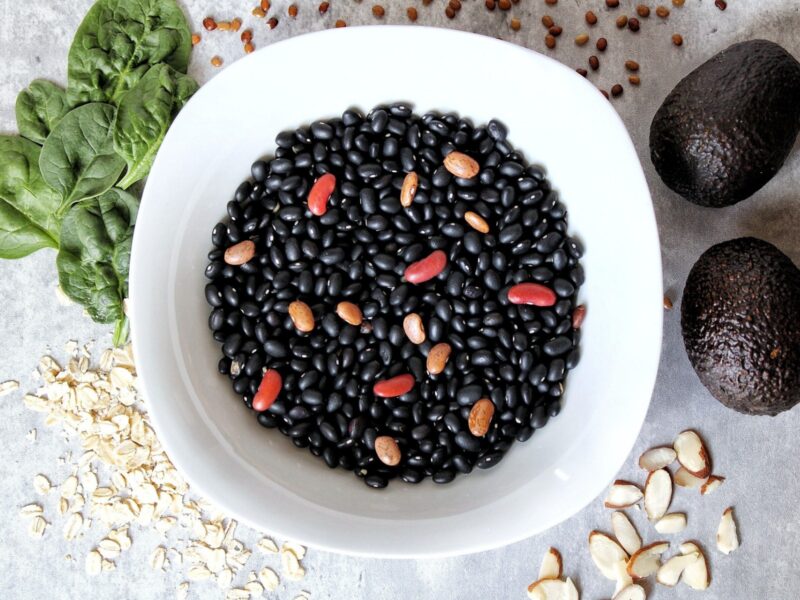
Eat more fiber, gradually. Aim for the recommended 25 grams a day for women and 38 grams for men, from foods like beans, lentils, oats, berries, and whole grains. Add fiber slowly over a week or two, or you will trade hemorrhoid pain for bloating and gas. A psyllium supplement can help if food alone does not get you there.
Drink enough water. Fiber only softens stool if there is fluid to go with it. Most adults do well with around 8 to 11 cups of total fluid a day, more in hot weather or after exercise.
Stop straining, and stop lingering. Go when you feel the urge, and do not sit on the toilet for more than 10 to 15 minutes. Leave your phone outside the bathroom. If nothing happens, get up and try again later rather than forcing it.
Try a sitz bath. Soaking in a few inches of warm water for 10 to 15 minutes, two or three times a day, eases pain and itching. A shallow basin that fits over the toilet seat works, or just use the bathtub.
Soothe the skin. Over-the-counter creams and wipes with witch hazel, hydrocortisone, or lidocaine can calm itching and soreness for a few days. Use steroid creams only short-term, a week at most, unless your doctor says otherwise. Pat dry gently, and skip harsh soaps and scented toilet paper.
Move more. A daily 20 to 30 minute walk improves bowel regularity and breaks up prolonged sitting. If your job keeps you in a chair, stand and move every hour.
When home care is not enough
See a clinician if bleeding continues beyond a few days, if you have a painful lump, if hemorrhoids keep coming back, or if you are over 45 and have never been screened for colorectal cancer. Diagnosis is usually a quick exam, sometimes with a short scope exam of the lower rectum.
If home measures fail, several in-office treatments work well for internal hemorrhoids:
- Rubber band ligation is the most common procedure. A tiny band is placed around the base of the hemorrhoid, cutting off its blood supply so it shrinks and falls off within about a week.
- Sclerotherapy injects a solution that shrinks the hemorrhoid.
- Infrared coagulation uses heat to scar and shrink the tissue.
For large, prolapsed, or clotted external hemorrhoids, surgery may be recommended. The standard operation, hemorrhoidectomy, removes the tissue and is highly effective, but recovery takes a couple of weeks and can be painful. Newer stapling procedures are less painful but have a higher recurrence rate.
The symptom you should never ignore
Rectal bleeding should never be assumed to be hemorrhoids without a check, especially if it is new or persistent. Bleeding can also come from polyps, inflammatory bowel disease, or colorectal cancer, which is rising in adults under 50. That is why screening now generally starts at age 45 for people at average risk.
Get prompt medical care if you have heavy or ongoing rectal bleeding, black or tarry stools, dizziness or fainting, severe abdominal pain, fever with anal pain, or a rapidly swelling, extremely painful lump. These need same-day evaluation.
Preventing the next flare
Once a hemorrhoid heals, the same habits that treated it keep it away: enough fiber and water, regular movement, no straining, and no marathon toilet sessions. Treat constipation early, and if you are pregnant, ask your doctor about safe fiber and stool-softening options before symptoms start.
Hemorrhoids are uncomfortable and embarrassing to bring up, but they are also one of the most fixable problems in medicine. Most people get better with a few weeks of simple changes, and for those who do not, effective treatments exist. The only real mistake is suffering in silence, or assuming every bleed is harmless. Get it checked and treat the cause.
This article is for general information only and is not medical advice. Rectal bleeding, severe pain, or symptoms that do not improve should be evaluated by a healthcare professional.
Rao Sajid is the founder and editor of VitalDaily. He covers everyday health topics — nutrition, sleep, fitness and wellness — turning guidance from public-health sources like the CDC, NIH and FDA into plain, practical advice. More about Rao →
📚 Keep reading:

A Cough That Won't Quit: Causes and When to Worry
A cough lasting more than 3 weeks is not just a lingering cold. Learn the most common causes, the red flags that need urgent care, and what actually helps.

Heart Attack Symptoms in Women: The Signs Most Miss
Heart attacks in women often look nothing like the movie version. Learn the subtle warning signs that get missed, and when to call 911 fast.
Epsom Salt Baths: Do They Really Work?
Epsom salt baths promise relief for sore muscles, stress, and poor sleep. Here is what science says about magnesium, and how to soak safely.