Loneliness Is as Deadly as Smoking 15 Cigarettes a Day

Imagine your doctor telling you about a habit as dangerous as smoking 15 cigarettes a day — one that raises your risk of heart disease, stroke, dementia, and early death. You'd expect them to say quit smoking. Drink less. Eat better.
What if the habit is something else entirely: being lonely?
In May 2023, U.S. Surgeon General Vivek Murthy did something public health officials usually reserve for tobacco and pandemics. He issued a formal advisory declaring loneliness and social isolation an epidemic in America — an "underappreciated public health crisis" hiding in plain sight.
How bad is it? The numbers are startling
Even before the COVID-19 pandemic, about half of American adults reported measurable levels of loneliness. And the trend lines are going the wrong way:
- In 2021, 49% of Americans said they had three or fewer close friends, up from about 27% in 1990.
- Young people ages 15 to 24 now spend just 40 minutes a day in person with friends — down from roughly 150 minutes in 2003, a drop of nearly 70%.
- A landmark analysis of 148 studies covering more than 300,000 people found that weak social connections increase the risk of early death by about 26% — an effect researchers compared to smoking up to 15 cigarettes a day.
As Murthy put it: "Loneliness is a common feeling that many people experience. It's like hunger or thirst. It's a feeling the body sends us when something we need for survival is missing."
In other words, loneliness isn't weakness. It's a biological signal — and ignoring it is as unhealthy as ignoring thirst.
Lonely doesn't mean alone
Here's a critical distinction: loneliness is not the same as being alone. You can live solo and feel deeply connected, or be surrounded by coworkers, family, and social media followers and still feel profoundly lonely.
Loneliness is the gap between the connection you want and the connection you have. That's why scrolling Instagram for two hours rarely helps — it fills time, not the gap.
What loneliness does to your body
Chronic loneliness doesn't just hurt your mood. Researchers now trace a direct path from disconnection to disease:
Heart and stroke risk. Loneliness is associated with a significantly higher risk of coronary heart disease and stroke — in some studies rivaling classic risk factors.
Depression and anxiety. Persistent loneliness feeds a loop with depression and anxiety: feeling disconnected worsens mood, and low mood makes reaching out harder.
Dementia. Social isolation is one of the recognized risk factors for cognitive decline and dementia in older adults.
Immunity and sleep. Lonely people report worse sleep quality, and chronic social stress is tied to inflammation and weaker immune responses — one reason lonely people seem to catch everything going around.
Early death. Across dozens of studies, poor social connection emerges as one of the strongest predictors of premature mortality — comparable in effect size to heavy smoking, and larger than obesity or physical inactivity.
Why Americans are drifting apart
No single cause explains the epidemic, but the ingredients are familiar: long work hours, remote work, suburban commutes, and the slow replacement of face-to-face time with screens. The average American's in-person social time has been shrinking for decades, and the pandemic accelerated the slide.
The cruel irony: the tools that were supposed to connect us — social media, texting, endless content — often substitute for real connection instead of building it. You can know everything about an old friend's vacation and still not know how they're actually doing.
7 science-backed ways to rebuild connection
The good news: connection is a skill and a habit, not a personality trait. Small, repeated actions work.
1. Make one concrete plan this week
Text one person today and set a real time to meet — coffee, a walk, a phone call. Vague "we should hang out" doesn't count. Put it on the calendar like a doctor's appointment.
2. Join something that meets regularly
A running club, a cooking class, a book group, a church or volunteer crew. Researchers call these "third places" — recurring, low-pressure settings where relationships form naturally over time. One-off events don't build bonds; repetition does.
3. Volunteer
Helping others is one of the fastest ways out of loneliness. Volunteering combines purpose, routine, and face-to-face contact — and studies link it to better health and longevity.
4. Eat with other people
Americans eat more meals alone than almost any other country. Sharing food — a family dinner, a lunch with a coworker, a potluck — is one of humanity's oldest bonding rituals. Make at least a few meals a week social.
5. Move your body with others
Walking groups, group fitness classes, pickup basketball. Exercise plus company doubles the benefit: you get the physical payoff and the social one in the same hour.
6. Upgrade your screen time
When you can't be there in person, a video call beats texting, and texting beats scrolling. Aim for interactions with back-and-forth — conversation, not consumption. And when you are with someone, put the phone away; divided attention registers as disinterest.
7. Ask for help if it's deep
If loneliness shades into persistent sadness, hopelessness, or thoughts of harming yourself, talk to a professional. In the U.S., you can call or text 988 anytime to reach the Suicide and Crisis Lifeline — free, confidential, 24/7.
The bottom line
We track our steps, our calories, and our cholesterol. Maybe it's time to track our connections too. Ask yourself: when did I last have a real, unhurried conversation with someone who knows me?
The science is clear: the people who live longest and healthiest aren't the ones with the perfect diet or the fanciest supplements. They're the ones with people to call. Connection isn't a luxury — it's medicine. And unlike most medicine, it's free.
📚 Keep reading:

How Much Water Do You Actually Need? Experts Explain
The 8-glasses rule is mostly myth. Here's what doctors say about how much water Americans really need — and the signs you're not drinking enough.
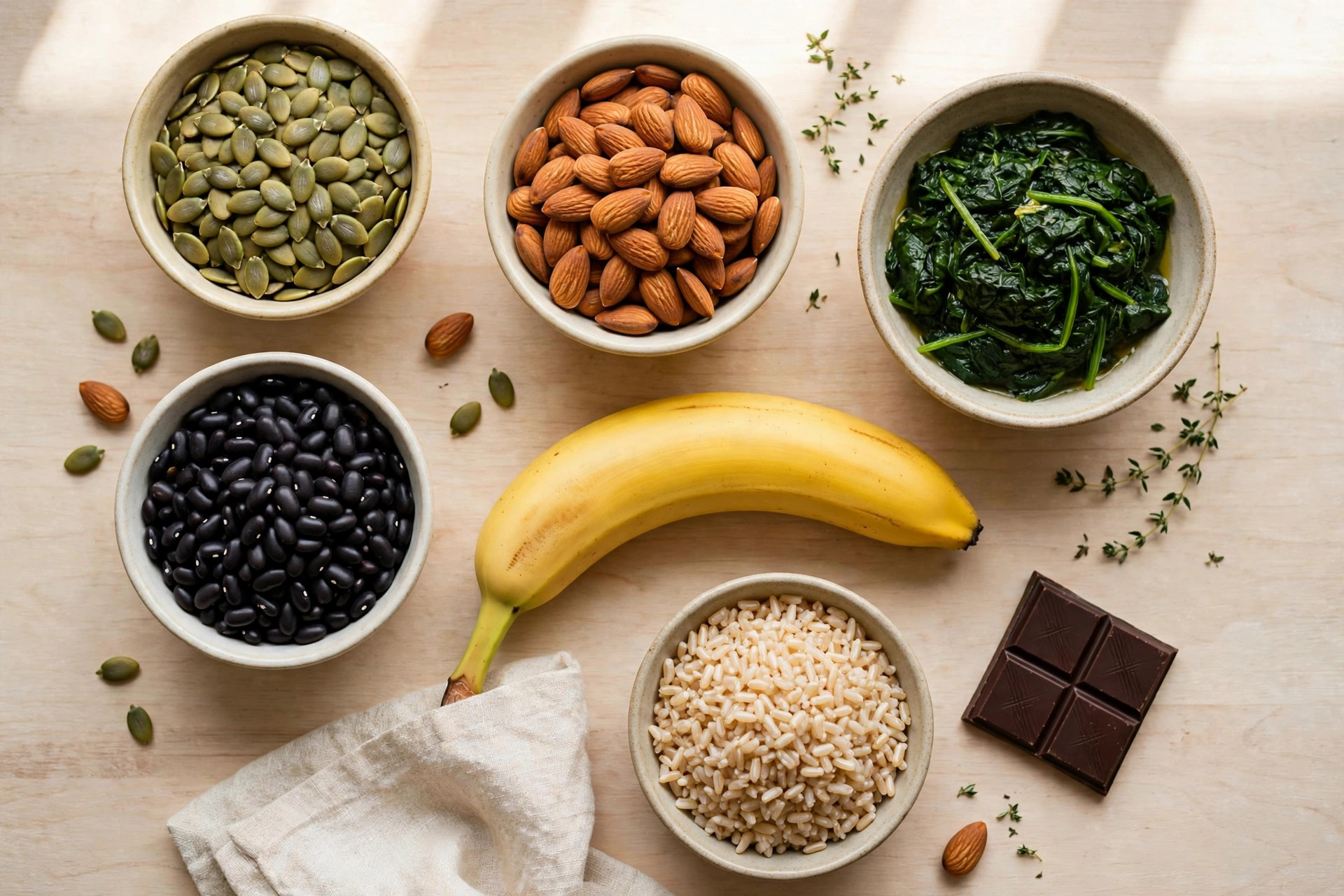
Why Half of Americans Don't Get Enough Magnesium
Roughly half of U.S. adults get less magnesium than they need. Here's why it matters — and the foods that fix it.

7 Ways to Strengthen Immunity Before Flu Season
Flu season hospitalizes 200,000+ Americans yearly. These 7 science-backed habits build your immune defenses before it hits.