Norovirus: The Winter Stomach Bug Sanitizer Can't Kill
The cruise ship turns around. The holiday dinner gets canceled. The office bathroom has a line. If you've spent a winter in America, you've met norovirus — the notorious "stomach flu" that isn't actually flu at all. It causes up to 21 million illnesses in the United States every year, according to the CDC, sending about 109,000 people to the hospital and killing roughly 900. It peaks between November and April, which means October is exactly when you should learn how it works — because what most people believe about stopping it is wrong.
Hand Sanitizer Won't Save You
Here is the uncomfortable truth: alcohol-based hand sanitizer, the pandemic-era hero, barely dents norovirus. The virus has no outer lipid envelope for alcohol to dissolve, so it survives concentrations that kill most bacteria and many viruses. In outbreak investigations on cruise ships, schools, and nursing homes, heavy sanitizer use has repeatedly failed to stop transmission.
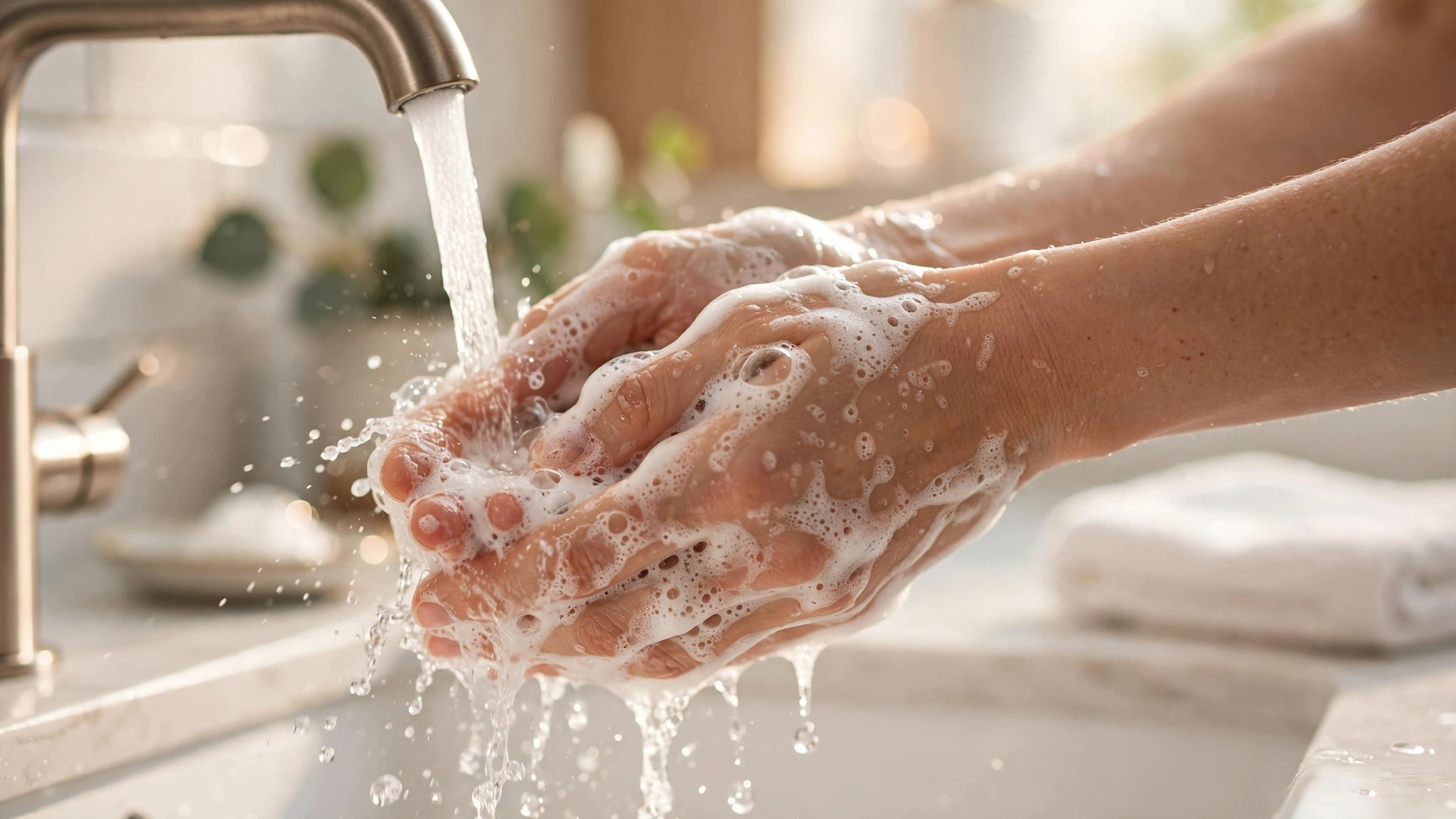
What actually works is old-fashioned soap and water. Twenty seconds of scrubbing physically lifts the virus off your skin. The CDC's guidance for norovirus outbreaks is blunt: wash your hands with soap and water, and treat sanitizer as a backup at best. During an outbreak, "hand sanitizer available" is not the same as "hands are clean."
It Takes Almost Nothing to Catch It
Norovirus is one of the most contagious pathogens known. The infectious dose is around 18 viral particles — a speck so small it defies visualization. An infected person can shed billions of particles per gram of stool. The virus spreads through the classic routes — contaminated food, contaminated water, touching contaminated surfaces and then your mouth — but also through vomit, which can aerosolize particles that land on nearby surfaces or are inhaled.
That explains why one sick person can shut down a restaurant, a daycare, or a cruise ship dining room. It also explains the cruelest trick: people can still shed the virus for two weeks or more after they feel better. You can feel fully recovered and still be infectious.
It Outlives Your Cleaning Routine
Most stomach bugs die quickly outside the body. Norovirus treats your environment like real estate. It can survive on hard surfaces for days and on some materials for up to two weeks. It withstands freezing temperatures, heat up to 140°F, and many standard household disinfectants.
The one household cleaner that reliably kills it is bleach. The CDC recommends a solution of about 3/4 cup of regular household bleach per gallon of water for disinfecting contaminated surfaces — wipe down, let it sit for at least five minutes, and don't forget handles, faucets, and light switches. If you have young kids or care for someone who is sick, this is the cleaning protocol that matters.
What It Feels Like
Symptoms usually hit fast — 12 to 48 hours after exposure — and hard. Nausea, forceful vomiting, watery diarrhea, and stomach cramps are the signature trio, often with a low-grade fever, headache, and body aches. Most healthy adults are miserable for one to three days and then recover on their own.
The real danger isn't the virus itself. It's dehydration. Losing that much fluid that fast can turn dangerous, especially for young children, older adults, and anyone with a weakened immune system. Warning signs include dizziness when standing, a dry mouth, dark or scant urine, and extreme fatigue. If you can't keep fluids down for more than a day, that's a signal to call your doctor.
What to Do If It Hits Your Household
Hydrate aggressively. Water helps, but oral rehydration solutions (Pedialyte for kids, or the equivalent for adults) are better — they replace the electrolytes you're losing. Small, frequent sips beat big gulps, which can trigger more vomiting. Avoid sports drinks as your main strategy; many have too much sugar and not enough sodium for real rehydration.
Eat when you can, lightly. The old advice to starve a stomach bug is outdated. Once vomiting eases, plain foods — rice, toast, bananas, crackers — are fine. Skip dairy, caffeine, alcohol, and greasy or spicy foods until your appetite is genuinely back.
Isolate the patient. Give the sick person their own bathroom if possible. Don't share towels, cups, or utensils. Wash laundry on the hottest setting the fabric allows, and handle soiled items with gloves.
Wait before returning to normal life. Because shedding continues after symptoms stop, food workers, healthcare staff, and caregivers should stay home for at least 48 to 72 hours after the last symptom — not just until they feel fine.
What to Do If It Doesn't Hit Your Household
Prevention is genuinely effective here, and every measure is low-tech:
- Wash produce thoroughly, especially leafy greens, which have been linked to multiple U.S. outbreaks.
- Cook shellfish completely. Raw oysters are a classic norovirus vehicle; contamination concentrates in their digestive tissue.
- Disinfect high-touch surfaces with a bleach solution during winter, particularly if anyone around you is sick.
- Wash hands before eating and after using the restroom — the two moments that matter most.
There is no vaccine for norovirus yet, though several candidates are in clinical trials. Until one arrives, soap, water, and bleach are your entire arsenal — and used correctly, they're a strong one.
The Bottom Line
Norovirus is engineered by evolution to spread in winter: people crowd indoors, surfaces stay cold and damp, and the virus survives everything short of bleach and a good scrubbing. This October, restock three things before the season starts — a bottle of bleach, a big pump of liquid soap, and oral rehydration packets. The stomach bug is coming for America like it does every year. Whether it gets into your house is largely up to you.
📚 Keep reading:

Fatty Liver: The Silent Epidemic in 1 in 3 Americans
Roughly 1 in 3 American adults has fatty liver disease — most never feel a symptom. New tests, a first-ever drug, and a weight-loss target that can reverse it.
Energy Drinks and Your Heart: What 2 Cans a Day Do
Panera pulled its Charged Lemonade after deaths were linked to its caffeine. What energy drinks really do to your heart — and the safe daily limit.

Dizzy When You Stand Up? Causes, Risks, and Fixes
Standing up and the room starts spinning? That head rush has a name — orthostatic hypotension. Here is why it happens, when it is dangerous, and the fixes that work.