Energy Drinks and Your Heart: What 2 Cans a Day Do
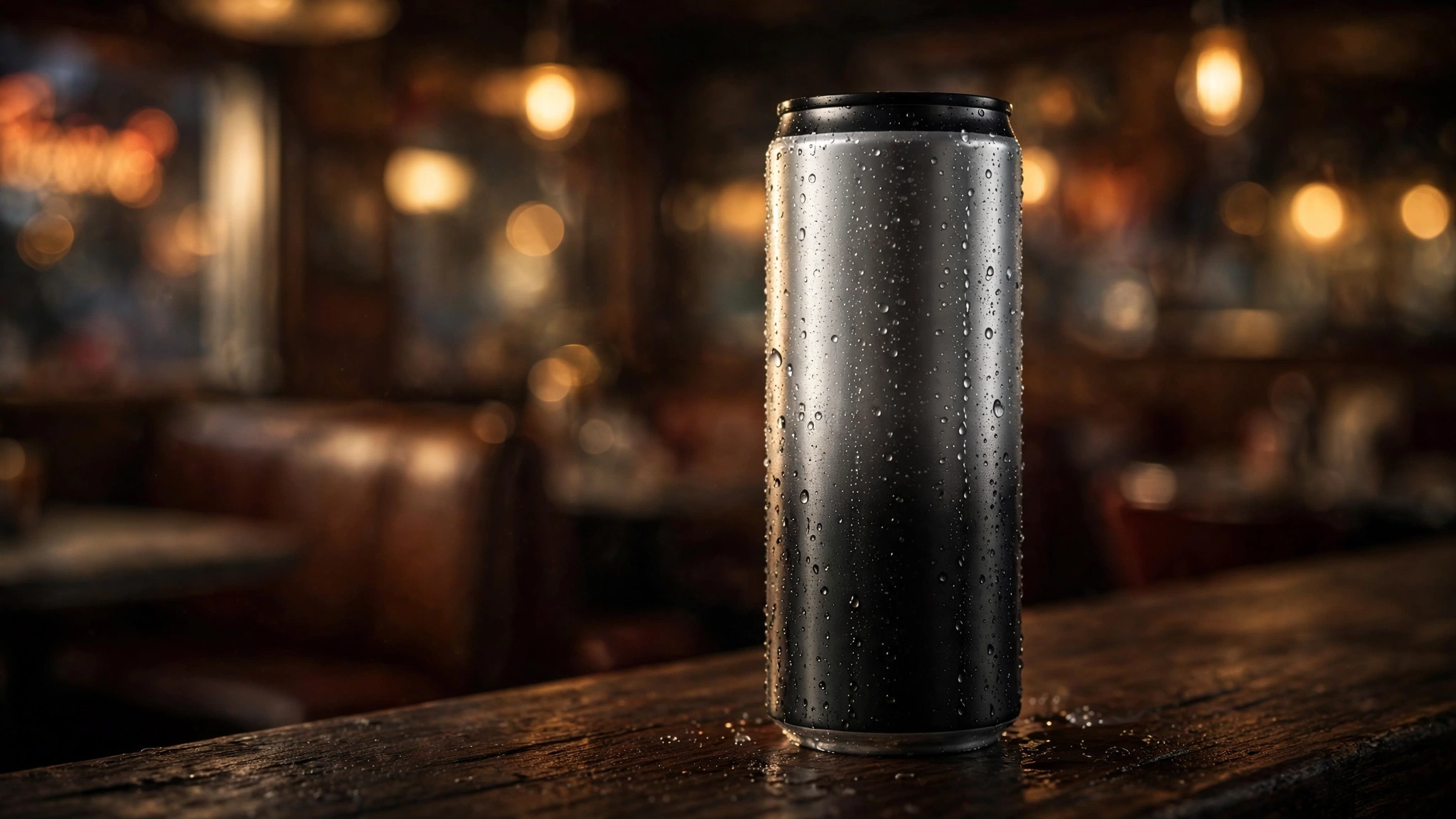
In May 2024, Panera Bread did something fast-food chains almost never do: it pulled a bestselling drink off the menu nationwide. The Charged Lemonade — a fruity drink that sat in self-serve fountains next to regular lemonade — had become the target of lawsuits alleging it caused two deaths. Sarah Katz, a 21-year-old college student with a heart condition, died after drinking it. Dennis Brown, a 46-year-old Florida man, suffered fatal cardiac arrest after drinking three. A large size packed about 390 milligrams of caffeine — nearly an entire day's worth, in one cup, with no warning that it was essentially an energy drink.
Americans buy billions of dollars' worth of energy drinks a year, and surveys suggest roughly a third of teens and young adults drink them regularly. Cardiologists say they deliver more than focus and stamina: a measurable strain on your cardiovascular system that goes beyond what plain coffee does.
What's actually inside the can
A typical 16-ounce energy drink contains 200 to 300 milligrams of caffeine — roughly two to three cups of brewed coffee in a single can. Some "hardcore" brands push past 300 milligrams. Compare that to an 8.4-ounce Red Bull at about 80 milligrams, and you can see how quickly the numbers climb.
Caffeine is only the headline ingredient. Most cans also contain:
- Sugar — a lot of it. A regular 16-ounce can carries 50-plus grams of sugar, nearly 14 teaspoons. Sugar-free versions swap it for sweeteners like sucralose or acesulfame potassium.
- Taurine, an amino acid involved in heart and muscle function, in far higher amounts than food provides.
- B vitamins, often at 200% or more of the daily value — mostly marketing, since your body flushes the excess.
- "Proprietary blends" of guarana (itself a caffeine source, so the label may understate the true stimulant load), ginseng, and L-carnitine in undisclosed doses.
Then there's the timing problem. Caffeine's half-life is about five to six hours, which means the can you drink at 3 p.m. is still half-circulating at 9 p.m. — quietly wrecking the sleep your heart needs to recover overnight.
What it does to your heart, step by step
Within 30 to 60 minutes of drinking one, caffeine triggers an adrenaline-like surge: your heart beats faster and harder, blood vessels constrict, and blood pressure climbs. For a healthy adult, that spike usually passes. But researchers have found that energy drinks do more than an equivalent dose of caffeine alone.
In a 2017 randomized trial published in the Journal of the American Heart Association, 34 healthy young adults drank either 32 ounces of a commercial energy drink or a caffeine-matched control drink on separate days. The energy drink raised blood pressure significantly more than caffeine alone — and it prolonged the QTc interval, the measure of how long the heart's electrical system takes to "recharge" between beats. A prolonged QTc is the same red flag cardiologists watch for with certain prescription drugs, because in susceptible people it can trigger a dangerous arrhythmia.
Case reports in American Heart Association reviews add weight: otherwise healthy young people arriving in emergency rooms with atrial fibrillation, coronary artery spasm, even cardiac arrest after heavy use. Rare — but consistent enough that cardiologists take it seriously.
And the sugar matters too. A daily 50-gram sugar hit drives up triglycerides and insulin, the exact metabolic pattern that raises long-term heart disease risk. Two cans a day isn't just a caffeine habit — it's a sugar habit wearing a caffeine costume.
The 400-milligram line
The FDA says healthy adults can generally consume up to about 400 milligrams of caffeine a day without dangerous effects. That sounds generous until you do the math: it's roughly two 16-ounce energy drinks. One large Panera Charged Lemonade nearly hit the entire day's limit in a single cup — and customers refilled it like lemonade.
But "generally safe for healthy adults" comes with fine print:
- Sensitivity varies wildly. Genes, body weight, and medications change how fast you clear caffeine. Some antibiotics, antidepressants, and birth control pills slow caffeine metabolism, stretching its effects for hours longer.
- Teens should skip them entirely. The American Academy of Pediatrics advises that children and adolescents avoid energy drinks altogether — their smaller bodies and developing hearts feel the same dose much harder.
- Pregnancy has a lower ceiling. The American College of Obstetricians and Gynecologists advises staying under 200 milligrams a day — one small energy drink can blow past that.
- Alcohol is the worst mixer. Caffeine masks drowsiness without reducing impairment, so people drink more and take bigger risks. The FDA banned pre-mixed caffeinated alcoholic drinks back in 2010 for exactly this reason — mixing your own is no safer.
Warning signs you've had too much
A racing or pounding heart, noticeable palpitations, tremor or jitters, nausea, anxiety, and a mind that won't shut off at midnight are your body's way of saying the dose was too high. Most of the time, these fade as the caffeine clears.
Get emergency help — don't wait it out — if you have chest pain or pressure, faint, feel your heartbeat turn chaotic or irregular and it won't settle, or have a seizure. Those can signal a serious cardiac event, and minutes matter.
If you need the energy, try this instead
Nobody reaches for a can because life is going great at 3 p.m. The slump is real — but a can is the priciest fix, and your heart pays part of the price. What actually works:
- Protect your sleep first. Seven to nine hours beats any stimulant. Caffeine can't repay a sleep debt; it just hides the bill.
- Eat protein at breakfast. A protein-rich morning meal steadies blood sugar and prevents the 3 p.m. crash that sends you to the vending machine.
- Drink water before caffeine. Even mild dehydration mimics fatigue — headache, fogginess, low energy. A big glass of water fixes what many people misread as "needing" a stimulant.
- Take a 10-minute walk. In head-to-head research, a brisk short walk boosts alertness and mood more reliably than a sugary drink, with zero cardiac side effects.
- If you must caffeinate, choose coffee. A 12-ounce brewed coffee has around 140 milligrams of caffeine, no taurine cocktail, no 50 grams of sugar — and decades of research link moderate coffee drinking to neutral or even protective heart effects.
And if energy drinks are already a daily habit, don't quit cold turkey if you're drinking several a day — caffeine withdrawal brings brutal headaches. Taper down over a week or two, and talk to your doctor first if you have high blood pressure, an arrhythmia, or an anxiety disorder.
The Panera saga ended with discontinued drinks, settled lawsuits, and a proposed federal law — the Sarah Katz Caffeine Safety Act — that would force chains to flag drinks with 150 milligrams or more of caffeine on menus. Whether or not it passes, the lesson is already on the label, if you read it: know your milligrams, count every source, and remember that "energy" in a can is borrowed from your heart — with interest.
📚 Keep reading:
Dizzy When You Stand Up? Causes, Risks, and Fixes
Standing up and the room starts spinning? That head rush has a name — orthostatic hypotension. Here is why it happens, when it is dangerous, and the fixes that work.
Prediabetes: 1 in 3 American Adults Has It — Most Don't Know
96 million American adults have prediabetes and 8 in 10 don't know it. The good news: it's reversible with proven lifestyle changes. Here's the test to ask for and the plan that works.
Flight Blood Clots: Why Your Next Trip Could Be Risky
Over 300 million people take flights longer than 4 hours yearly. Sitting still that long can let a dangerous blood clot form. Here's who is at risk — and how to prevent it.