Prediabetes: 1 in 3 American Adults Has It — Most Don't Know
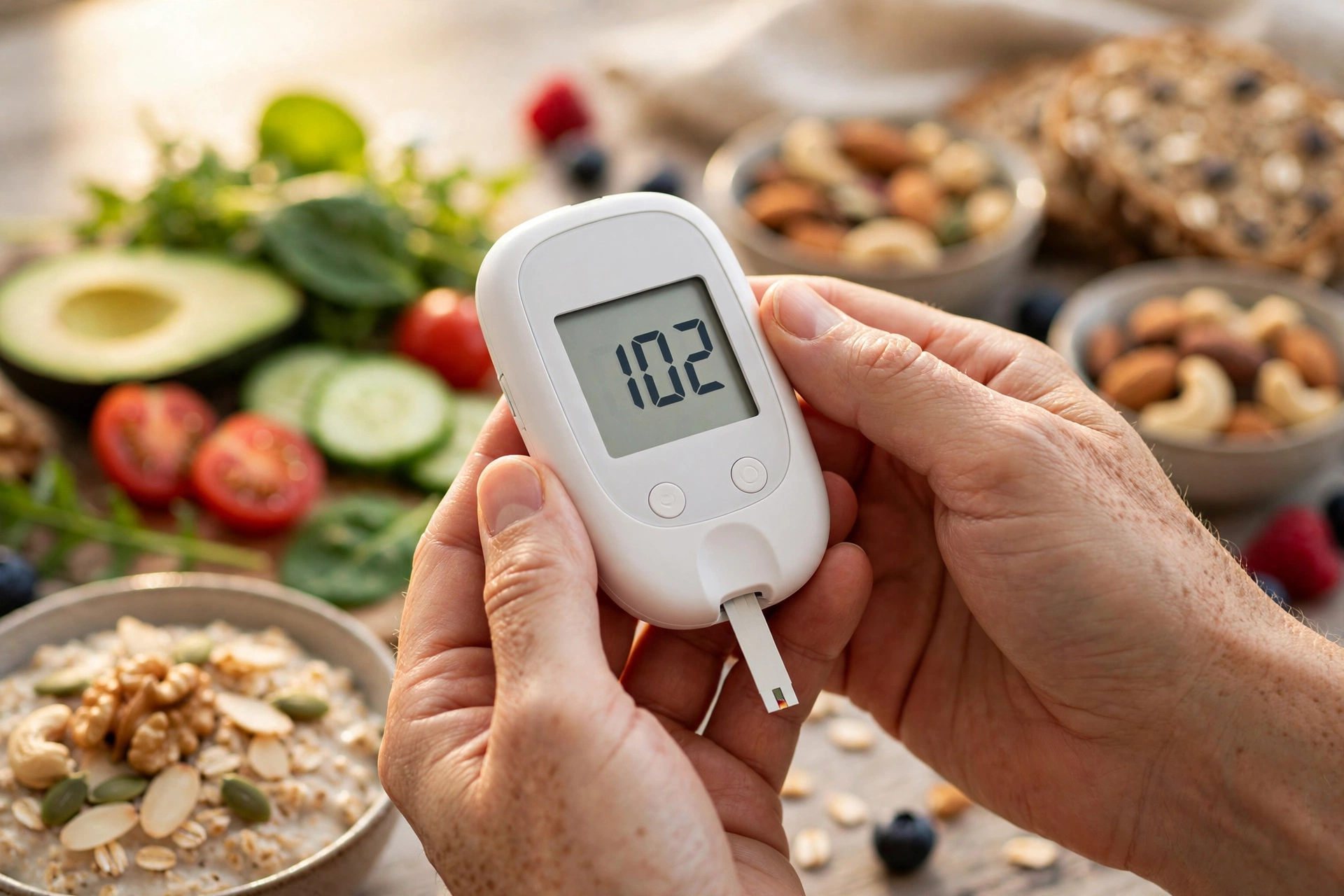
You could have prediabetes right now and feel perfectly fine. No pain, no fatigue, no warning light on the dashboard — just blood sugar quietly running higher than it should, doing slow damage to your arteries, your heart, and your nerves. And you'd be in very large company.
According to the Centers for Disease Control and Prevention (CDC), about 96 million American adults — roughly 1 in 3 — have prediabetes. More than 8 in 10 of them don't know it. Prediabetes means blood sugar levels are higher than normal but not yet high enough to be diagnosed as type 2 diabetes. Without changes, up to 70% of people with prediabetes eventually develop type 2 diabetes, often within 5 to 10 years.
Here is the part most people miss: prediabetes is one of the few chronic conditions you can genuinely reverse. Not manage, not mask — reverse. The landmark Diabetes Prevention Program, funded by the National Institutes of Health, found that lifestyle changes cut the risk of progressing to type 2 diabetes by 58% — better than medication alone. For adults over 60, the reduction was 71%.
Why blood sugar creeps up
Prediabetes is fundamentally a story about insulin resistance. After you eat, glucose from your food enters your bloodstream, and your pancreas releases insulin to shuttle that glucose into your cells for energy. Over time — especially with excess weight around the belly, too little movement, and diets heavy in refined carbs and sugary drinks — your cells stop responding to insulin properly. Your pancreas pumps out more to compensate, blood sugar drifts upward, and eventually the system can't keep up.
You can't feel insulin resistance happening. That's exactly why the CDC calls prediabetes a "silent" condition and why testing matters more than symptoms.
Who should get tested
The American Diabetes Association recommends screening adults starting at age 35, and earlier for anyone who is overweight or obese and has at least one additional risk factor. Ask your doctor about the A1C test — a simple blood test that reflects your average blood sugar over the past 2 to 3 months:
- Below 5.7% — normal
- 5.7% to 6.4% — prediabetes
- 6.5% or above — diabetes
You may also have a fasting blood sugar between 100 and 125 mg/dL or a glucose tolerance reading of 140–199 mg/dL after two hours — all in the prediabetes range. If you haven't had your A1C checked in the past year and you're over 35, put it on your list for your next appointment. One number, and you know where you stand.
The proven reversal plan
The Diabetes Prevention Program identified a specific formula that works — no extreme diets, no magic supplements:
1. Lose 5 to 7% of your body weight. For a 200-pound person, that's 10 to 14 pounds. Modest, achievable, and powerful — this one step does most of the heavy lifting against insulin resistance.
2. Get 150 minutes of brisk activity per week. That's 30 minutes, five days a week. Walking counts. Participants in the study lost weight and kept it off primarily through moderate activity, not punishing workouts.
3. Eat smarter, not less. Cut sugary drinks (a 20-ounce soda packs about 65 grams of sugar — the single fastest way to spike blood sugar). Shift toward fiber-rich foods: vegetables, beans, whole grains, nuts. Fiber slows glucose absorption and keeps insulin levels steadier after meals.
4. Take a 10-minute walk after meals. Post-meal walks are one of the most underrated blood sugar tools we have. Moving your muscles within 30 minutes of eating pulls glucose straight out of the bloodstream — no insulin required. Multiple studies show even a short stroll measurably blunts the after-meal spike.
5. Fix your sleep. People who sleep under 6 hours a night show measurably worse insulin sensitivity. Chronic sleep loss raises cortisol and ghrelin, making you hungrier and more insulin-resistant the next day. Aim for 7 to 9 hours.
When lifestyle isn't enough
Most people can reverse prediabetes with the steps above. But if your A1C is creeping toward the top of the prediabetes range (6.0% and up), or if you have a strong family history, talk to your doctor about metformin. In the same landmark trial, metformin reduced diabetes risk by 31% — meaningful, though less than lifestyle's 58%. It's often considered for people under 60, those with higher BMIs, or women with a history of gestational diabetes.
This isn't about choosing between medication and lifestyle. The two work together. But medication was never the star of this story — daily habits were.
The hidden cost of waiting
Here's what makes prediabetes insidious: damage starts before diabetes is diagnosed. Elevated blood sugar — even in the prediabetes range — is already associated with higher risk of heart disease and stroke. The American Heart Association notes that adults with diabetes are nearly twice as likely to have heart disease or stroke as those without. The prediabetes years are when much of that cardiovascular damage begins.
There's also a financial angle worth a moment of honesty. Treating type 2 diabetes costs the average American patient roughly $13,700 per year in medical expenses and lost productivity, according to the American Diabetes Association. A walking habit, meanwhile, is free.
What to do this week
You don't need an overhaul — you need a start. Three concrete actions:
- Call your doctor's office and ask for an A1C test at your next visit (or schedule one). If your last result was in the 5.7–6.4% range, you've got your answer — and your marching orders.
- Replace one sugary drink a day with water, sparkling water, or unsweetened tea. It's the highest-leverage single change for most people.
- Walk 10 minutes after your biggest meal of the day, starting tonight.
Prediabetes is a warning, not a verdict. Of all the diagnoses you could get, it's one of the rare ones where the fix is within your control — proven in a trial of 3,200 people, costing nothing more than commitment. Ninety-six million Americans are sitting in the prediabetes zone right now, and most of them have no idea. The ones who find out early are the ones who get to walk away from it.
Disclaimer: This article is for informational purposes only and is not a substitute for professional medical advice, diagnosis, or treatment. Always consult your doctor before starting a new diet or exercise program.
📚 Keep reading:

Flight Blood Clots: Why Your Next Trip Could Be Risky
Over 300 million people take flights longer than 4 hours yearly. Sitting still that long can let a dangerous blood clot form. Here's who is at risk — and how to prevent it.

Frozen Shoulder: Why It Locks Up and How to Thaw It
Frozen shoulder locks the joint in three painful stages — freezing, frozen, thawing — and hits 1 in 5 people with diabetes. Here's why it happens, how long it lasts, and the treatments that actually restore movement.
Gallstones: The Belly Pain Millions of Americans Ignore
Upper-belly pain after a greasy meal, nausea, aching shoulder — gallstones send over a million Americans to surgery every year. Here are the signs, the risk factors, and what actually prevents them.