Is Sparkling Water Bad for Your Teeth? What Dentists Say
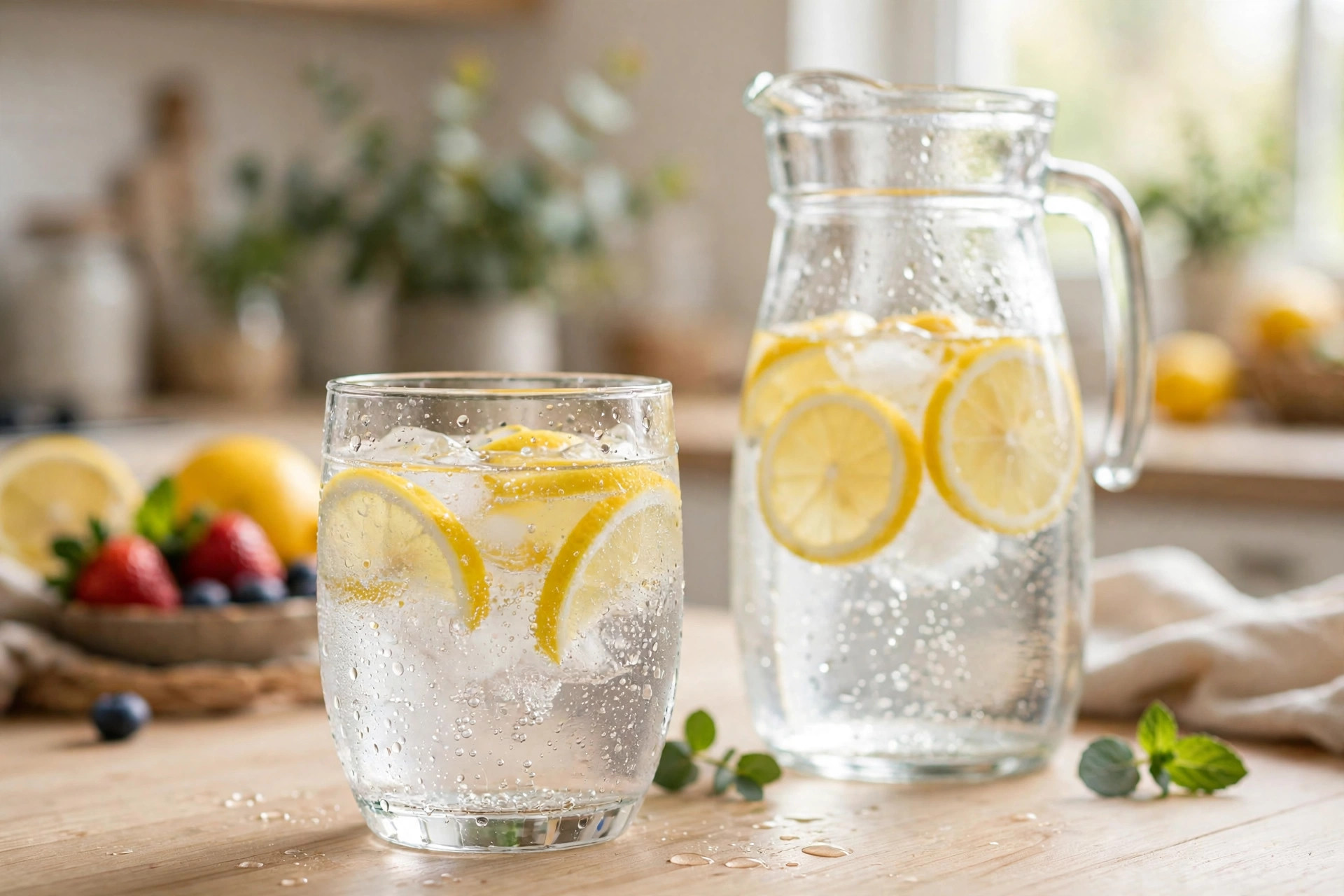
Americans are drinking more fizzy water than ever. The U.S. sparkling water market is now worth well over $4 billion a year, and LaCroix, Topo Chico, and Liquid Death cans have become as common in the office fridge as coffee pods. It is the "healthy" alternative to soda — no sugar, no calories, no guilt.
But dentists keep getting the same question: is all that carbonation silently eating away at your teeth?
The short answer is reassuring — plain sparkling water is far better for your teeth than soda. But the longer answer has some caveats, especially if you sip flavored seltzer all day long.
What makes water fizzy — and why dentists care
Sparkling water gets its bubbles from carbon dioxide dissolved under pressure. Once in your mouth, that CO2 forms carbonic acid, which drops the water's pH. Acidity matters because tooth enamel — the hard outer shell of your teeth — begins to soften at a pH of about 5.5.
For context, plain tap water sits around pH 7 (neutral). Colas and most sodas sit between pH 2.5 and 3.5 — aggressively acidic. Plain sparkling water typically measures between pH 3 and 4.5 depending on the brand and carbonation level. So yes, it is acidic — but far less so than soda, and the acid in question (carbonic) is much weaker than the phosphoric and citric acids in soft drinks.
What the research actually found
Laboratory studies that soak extracted teeth in various drinks show a clear ranking. Sugary sodas and diet sodas cause far more enamel erosion than sparkling water. In one well-cited study published in the Journal of the American Dental Association, researchers tested enamel erosion across beverages and found that plain carbonated water produced minimal erosion — roughly comparable to plain water over the same exposure time, and nowhere near the damage from soda, energy drinks, or citrus juices.
The catch: many studies test EXTREME exposure — teeth soaking for hours — which does not match real life, where saliva washes acid away within minutes. Dental researchers generally conclude that plain sparkling water, consumed with meals or as an occasional drink, poses little erosion risk.
The flavored seltzer problem
Here is where the story changes. Many popular seltzers are flavored with citric acid — the ingredient that gives lime, lemon, and "natural flavor" drinks their tang. Citric acid is a far more aggressive enamel eroder than carbonic acid. A lime-flavored sparkling water can have a pH close to soda territory.
If your seltzer tastes sour or citrusy, check the ingredient list. "Natural flavors" is fine; "citric acid" means your teeth are getting an extra acid bath. The lime-flavored cans you love most are typically the roughest on enamel.
Frequency matters more than you think
Your saliva is constantly neutralizing acid and remineralizing enamel — but it needs breaks to do its job. Dentists say the biggest risk is not how MUCH sparkling water you drink, but HOW you drink it:
- Sipping all day keeps your mouth acidic for hours, giving saliva no recovery window. This is the pattern dentists worry about most.
- Drinking it with meals is much safer — food stimulates saliva flow, which buffers the acid quickly.
- Finishing a can in 15–20 minutes is far better than nursing it for two hours.
This is the same logic behind the American Dental Association's guidance on all acidic drinks: frequency and contact time matter as much as the drink itself.
Is it better than soda? Unquestionably yes
If sparkling water replaced your daily soda, your teeth have already thanked you. Consider the numbers: the CDC reports that about 92 percent of U.S. adults aged 20 to 64 have had tooth decay, and untreated decay remains one of the most common — and most preventable — health problems in the country. Sugar is the primary driver: a 12-ounce can of regular cola delivers roughly 39 grams of sugar that feeds cavity-causing bacteria.
Plain sparkling water delivers none of that. No sugar means no bacterial acid production on top of the carbonic acid. Dentists consistently say: if the choice is soda versus sparkling water, choose sparkling water every time.
6 dentist-approved tips for sparkling water drinkers
You do not need to give up the fizz. Just drink it smartly:
- Choose plain or unsweetened. Skip drinks with "citric acid" in the ingredients, especially citrus-flavored ones.
- Drink it with meals or in one sitting. Avoid sipping a single can for hours.
- Use a straw for flavored seltzer. It reduces the acid's contact with your teeth.
- Rinse with plain water afterward. A few swallows of tap water help reset your mouth's pH quickly.
- Don't brush right after. Acid softens enamel temporarily; wait at least 30 minutes before brushing to avoid scrubbing away softened enamel.
- Make tap water your default. Most U.S. municipal water contains fluoride, which strengthens enamel — something sparkling water does not provide.
The bottom line
Plain sparkling water is one of the healthiest soda alternatives available — and the evidence that it meaningfully damages healthy teeth is weak. The real enemies of your enamel remain sugary sodas, citrus-flavored seltzers sipped all day, and skipping your dentist visits.
Enjoy the bubbles. Just don't turn your seltzer into an all-day acid drip — and when in doubt, plain tap water with fluoride is still the gold standard for your teeth.
This article is for general information only and is not a substitute for professional dental advice. See your dentist regularly and talk to them about your diet and oral health.
Rao Sajid is the founder and editor of VitalDaily. He covers everyday health topics — nutrition, sleep, fitness and wellness — turning guidance from public-health sources like the CDC, NIH and FDA into plain, practical advice. More about Rao →
📚 Keep reading:
Measles Is Back in America: What to Know Now
U.S. measles cases have nearly doubled 2025's 33-year high, with 4,410 infections and counting. Here is why it's surging, the warning signs, and what protects you.
Why You Wake Up at 3 AM (And How to Fall Back Asleep)
Millions of Americans jolt awake around 3 AM and can't drift off again. The culprit is part biology, part habit — and most of it is fixable. Here's why it happens and how to get back to sleep.

Thanksgiving Food Safety: 7 Mistakes to Avoid
Thanksgiving sends thousands of Americans to urgent care every year. From thawing mistakes to the 2-hour rule, here are the 7 food-safety errors to avoid.