Statins and Muscle Pain: What's Really Going On

Three weeks after starting his cholesterol pill, the aches began — a dull soreness in his thighs, then his shoulders. He did what millions of Americans have done: he stopped taking the statin.
This story plays out constantly in U.S. doctor's offices. About 1 in 4 Americans over 40 takes a statin, making them among the most prescribed drugs in the country. Yet muscle complaints are the single most common reason people abandon them — and researchers now have compelling evidence that, in most cases, the pill isn't what's causing the pain.
That distinction matters enormously, because quitting has a real cost. Cardiologists report that up to half of patients who've had a heart attack stop their heart medications within a year, and those who quit face a significantly higher risk of a second event. If muscle aches are driving your decision, it's worth knowing what the science actually says.
Why statins are such a big deal
Statins lower LDL ("bad") cholesterol by blocking the liver enzyme that makes it. Each sustained drop translates into fewer heart attacks and strokes — large meta-analyses link statin therapy to roughly a 25 percent relative reduction in major cardiovascular events for every unit of LDL lowered.
The American Heart Association considers them among the safest and best-studied medications in history. The FDA updated statin labels in 2012 to note rare risks — including a very small increase in blood-sugar levels — but the agency's conclusion was clear: for people at risk, the cardiovascular benefits overwhelmingly outweigh the risks.
The muscle-pain paradox
Here's where it gets strange. In real-world practice, 5 to 20 percent of statin users report muscle aches. But in randomized, placebo-controlled trials — where neither patients nor doctors know who's getting the real drug — the rate of muscle symptoms in the statin group is nearly identical to the placebo group. Actual drug-caused muscle symptoms show up in roughly 1 in 1,000 patients or fewer.
The landmark experiment was the SAMSON trial, published in the New England Journal of Medicine in 2021. Researchers at Imperial College London recruited 60 patients who had quit statins because of intolerable side effects. Over 12 months, each patient cycled through four one-month periods of atorvastatin, four of placebo, and four of no tablets — rating symptoms daily on a smartphone.
The results were startling: average symptom scores were 16.3 during statin months and 15.4 during placebo months — essentially identical — while no-tablet months scored just 8.0. Fully 90 percent of the symptom burden was also triggered by placebo tablets. Half the participants successfully restarted their statins after seeing their own blinded results.
This is the nocebo effect: the mirror image of the placebo effect, where expecting harm produces real symptoms. And the expectations are everywhere — statin horror stories are among the most shared health content online.
True statin muscle injury does exist — and it has a signature
None of this means muscle symptoms should be dismissed. A genuine statin-associated muscle problem has recognizable features, and the rare dangerous form — rhabdomyolysis, in which muscle fibers break down rapidly — needs emergency care.
Doctors look for a specific pattern:
- Symmetric, large-muscle pain — both thighs, both calves, both shoulders — starting weeks after beginning a statin or raising the dose
- Weakness or tenderness alongside the pain, not just soreness after activity
- Symptoms that fade within 2 to 4 weeks of stopping the drug and return when it's restarted
- Elevated creatine kinase (CK) on a blood test, signaling muscle breakdown
Red flags that warrant prompt medical attention: dark or tea-colored urine or severe muscle weakness — these can signal rhabdomyolysis, which is rare (a few cases per 100,000 patient-years) but serious.
True risk factors include high statin doses, interacting medications — certain antibiotics, antifungals, and large amounts of grapefruit juice can raise statin blood levels — hypothyroidism, and very intense exercise combined with a new statin start.
Why so many people feel pain that the pill didn't cause
If the drug isn't the culprit, what is? Several perfectly ordinary things coincide with starting a statin:
Age and activity. Most statin users are over 50, exactly when arthritis, tendon issues, and slower muscle recovery become common. Starting a cholesterol drug often coincides with a doctor's lecture about exercise — and new exercise itself causes muscle soreness.
Other medications and conditions. Low thyroid function, low vitamin D, and drugs like fluoroquinolone antibiotics all cause muscle aches and are common in the same population.
Attribution. Once a person hears that statins "cause muscle pain," every ache gets assigned to the pill. In the PALM registry of U.S. adults, most discontinuation was driven by patient-perceived side effects at rates far higher than clinical trials predict — suggesting widespread misattribution.
Five smarter moves before you quit
Stopping on your own is the one move cardiologists consistently warn against. Here's what to discuss with your doctor instead:
1. Get checked before you conclude
Ask for a creatine kinase test and a thyroid check. If CK is normal and the pain pattern doesn't fit, the statin may be innocent — and your doctor can help find the real cause.
2. Try a planned stop-and-restart
A structured rechallenge — stopping for a few weeks, then restarting on a schedule — is the most reliable way to test causation. In SAMSON, this blinded approach alone got half of quitters back on therapy.
3. Switch the drug or lower the dose
Not all statins behave identically. Some people tolerate pravastatin or rosuvastatin better than atorvastatin, and a lower daily dose — or dosing every other day — still delivers meaningful LDL reduction with fewer complaints.
4. Ask about non-statin options
If you truly can't tolerate any statin, evidence-backed alternatives exist: ezetimibe (blocks cholesterol absorption), bempedoic acid (lowers LDL without the muscle pathway), and PCSK9 inhibitors like alirocumab and evolocumab (injectables that cut LDL by 50–60 percent).
5. Don't skip the medication review
Bring every supplement and prescription to your doctor. Coenzyme Q10 is widely marketed for statin muscle pain, but major guidelines note the evidence is insufficient to recommend it. What does help: eliminating genuine interactions and correcting thyroid or vitamin D problems.
The cost of walking away
The uncomfortable truth: observational studies consistently find statin adherence dropping to about 50 percent at six months in some populations, and each wave of discontinuation is followed by measurable increases in heart attacks and strokes — the protection only works while the pill is taken.
Statins don't make you feel better the way a painkiller does. They work silently, in the background, on a risk factor you can't feel. That invisibility makes them easy to abandon and dangerous to abandon. If muscle aches are the reason, get the facts first: testing, a rechallenge, or a switch will usually keep you protected without the pain.
When to call your doctor
- New muscle pain, tenderness, or weakness that starts weeks after beginning a statin or raising the dose
- Dark or tea-colored urine, severe weakness, or unusual swelling — seek prompt care
- Any thought of stopping the drug — talk first; your doctor has options you don't know about
This article is for informational purposes only and is not a substitute for professional medical advice. Never stop or change a prescribed medication without talking to your healthcare provider.
Rao Sajid is the founder and editor of VitalDaily. He covers everyday health topics — nutrition, sleep, fitness and wellness — turning guidance from public-health sources like the CDC, NIH and FDA into plain, practical advice. More about Rao →
📚 Keep reading:

Brain Fog: Why You Can't Focus and How to Clear It
Brain fog isn't a disease, but it feels like one. Here's what's behind the mental haze — from sleep debt to thyroid trouble — and how to clear it.
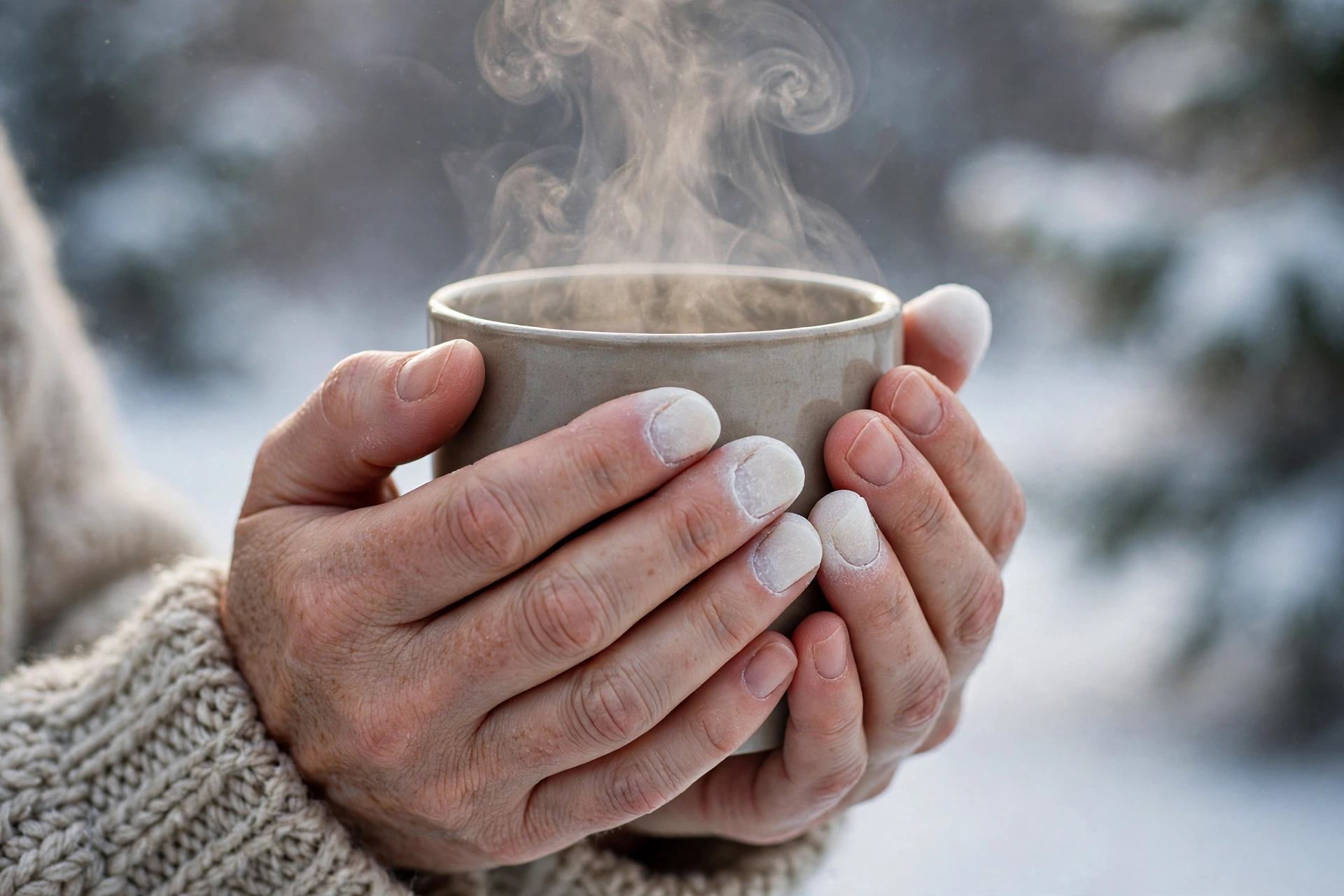
Why Your Fingers Turn White in the Cold (Raynaud's)
Fingers turning white, then blue, then red in the cold? That's Raynaud's phenomenon. Here's why it happens, when to worry, and how to stop attacks.
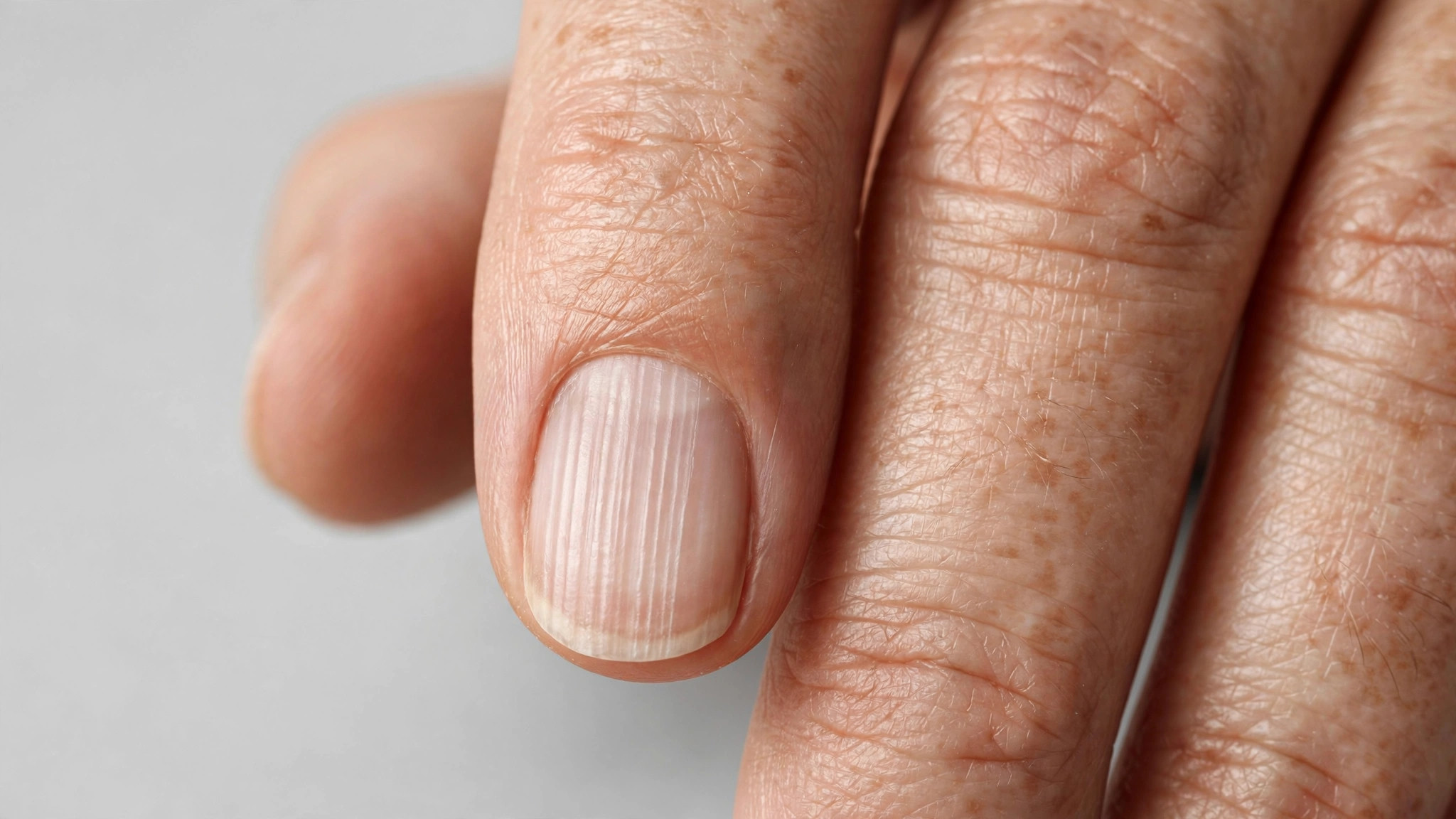
Why Your Fingernails Have Ridges — and When to Worry
Those fine lines running down your nails are one of the most common changes dermatologists see. Here is what vertical ridges, horizontal grooves, and other nail changes can mean for your health.